How ‘brutal’ Apple mogul Steve Jobs hit rock bottom after sacking and almost went broke
A new book by author Geoffrey Cain sheds light on the tech guru’s 12 years in the wilderness after he got sacked by Apple in 1985

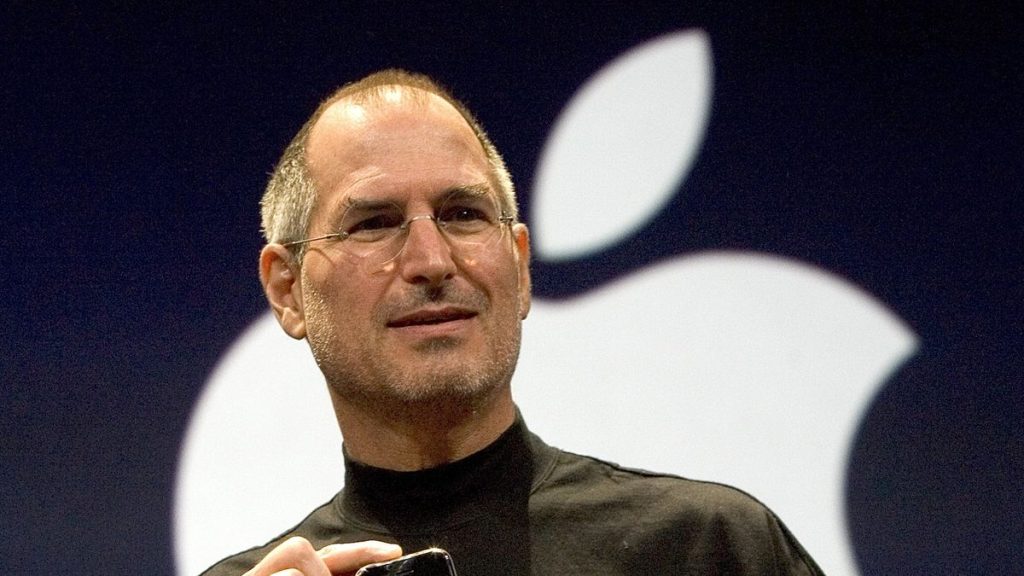
It wasn’t always plain sailing for Apple mogul Steve Jobs(Image: Getty Images)
You probably think there’s not much more to say about Steve Jobs. So much has been written about the late tech guru, whose triumphs with Apple and Pixar changed the faces of computing and entertainment.
But much less has been known about his failures – at least, until now. Here Meg Jorsh hears from Geoffrey Cain, the author of Steve Jobs In Exile, about what happened when the mogul hit rock bottom…
It’s 1985 – and Steve Jobs is having a very bad day indeed. He’s just got the boot from Apple Inc, the company he co-founded with Steve Wozniak, after clashing with CEO John Sculley.
His pet project, the Macintosh computer, has failed to live up to sales expectations. And his colleagues have lost patience with his tantrums, his bizarre behaviour and tyrannical leadership style.
A cataclysmic showdown with his board of directors would see the then-30-year-old cast into the wilderness, locked out of the firm he had created for the next 12 years. “That’s a third of his adult life,” writer Geoffrey Cain observes.
But the experience would ultimately change him for the better, Geoffrey insists. “He failed a lot at Apple. He was young and immature, and his ideas were too far ahead of their time.
“Those wilderness years are the years that tested him, and that transformed him into the leader we all know.”
Relatively little had been written about that period – until Geoffrey made it his mission to find out what happened. The author has spent years interviewing Steve’s former colleagues, poring over archive footage and going through the minutes of board meetings.
What emerges is a picture of a man who was on the brink of learning some harsh lessons. Jobs founded NeXT, making computers for higher education and business, soon after he was sacked, before buying Pixar in 1986.
“He was brutal to his people,” says Geoffrey. “He would go on tirades, he would tell people their ideas were stupid. And in the end, every single one of his five co-founders at NeXT Computer left him.
“They didn’t want to work for a tyrant. And it was that loneliness, when Steve realised that this is not the way to go. You can’t push out your own people.”
At times, the businessman’s heartless attitude extended to his personal life. He famously refused to accept he was the father of daughter Lisa, born to his on-off girlfriend Chrisann Brennan, even after a DNA test proved it.
When she took legal action, Steve was forced to hand over $385 (around £282) a month in maintenance – which he increased to just $500 (£366) when he became a multi-millionaire.
He reconciled with Lisa in 1987, apologising “many times over for his behaviour,” according to Chrisann. And his 1991 marriage to entrepreneur Laurene Powell helped further soften his attitude.
Geoffrey says: “Raising a family gave him a more circumspect view on life. That’s what matured him and allowed him to see things in different ways.
“He was one of the owners of Pixar – and having family around helped inspire Toy Story, so he could show it to his kids. He was able to kind of change in that direction during these years.”
That’s not to say life would be easy for the entrepreneur from that point. With NeXT deemed a commercial failure, selling just 50,000 units in total, he came close to personal bankruptcy in 1993.
“He was investing his own money in these companies,” says Geoffrey. “I mean, if this story had gone any differently, if he had gone bankrupt, Steve Jobs would have been written out of history and forgotten.”
Thanks to the 1995 success of Toy Story, with Jobs credited as executive producer, his financial situation started to stabilise. And by early 1997, he was able to buy back a struggling Apple for $400million (£293million).
The move would save the firm from the brink of collapse, ushering in the era of the iMac, iPod, iPhone and iPad. Simultaneously, Jobs would cement his image as a charismatic genius, decked out in polo necks, jeans and New Balance trainers.
Not that his input was warmly received by the tech world, as Geoffrey explains. “They said he’s a scam artist, a snake oil salesman. Steve Jobs was actually not well liked in Silicon Valley.
“People did not trust his judgement. They thought some of his ideas were silly. And I think that’s the most interesting takeaway here.”
- Steve Jobs in Exile: The Untold Story of NeXT, and the Remaking of a Technology Visionary is out May 21 from Icon Books.