Paul Lagier’s Shiptracker Puts Live Gulf of Finland Ships on Quiet E-Ink
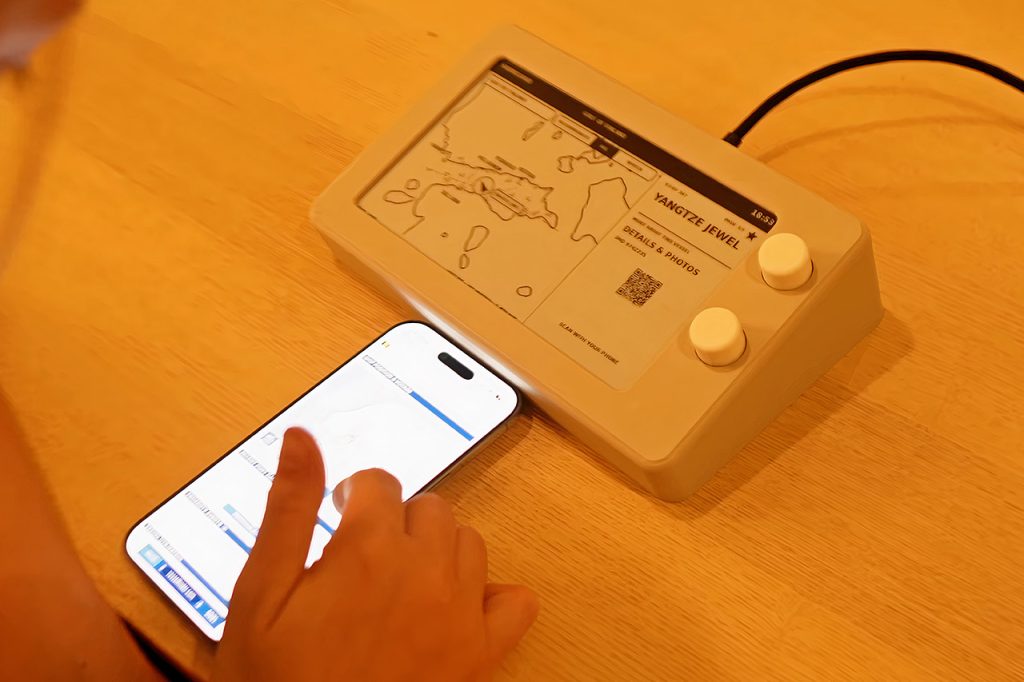
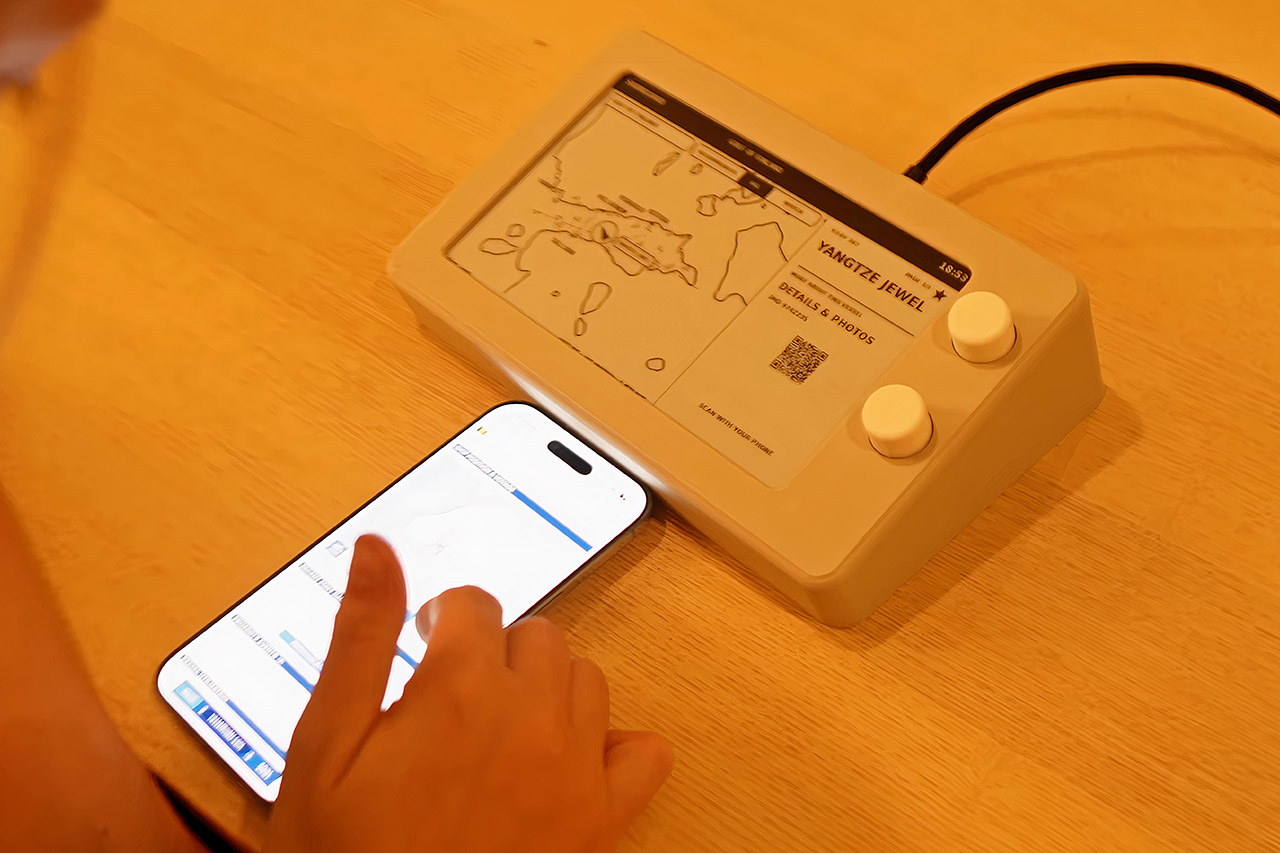
Paul Lagier builds spare, printable objects on YouTube, and Shiptracker began as a present. His girlfriend already followed cargo ships, tankers, and ferries on websites, reading destinations, speeds, and origins the way other people refresh a weather app. He wanted that ritual to live on a desk without a phone in hand, so he boxed a Raspberry Pi Zero W, a 7.5-inch Waveshare e-paper panel, and two rotary encoders into a pale 3D-printed shell that draws almost no power between screen updates.
Commercial trackers practically map almost every ship on the planet. You’d think MarineTraffic and other similar websites would provide an API you could use for your own small project, but they don’t, and scraping their pages is not an option. Finland managed to tackle their data challenge in a clever way. Fintraffic’s Digitraffic service simply broadcasts AIS locations and a plethora of other vessel metadata for free, at least for the Gulf of Finland, which extends between Finland, Estonia, and Russia. Norway and Singapore had similar feeds, but Finland’s stream was enough to generate a map with real ships on it.
Sale

Bambu Lab A1 mini 3D Printer + LED Lamp Kit, Ready-to-Use for Beginners
- A1 mini + LED Lamp Kit for Creative Light Projects: Bring your ideas to life with the included LED Lamp Kit. Simply print compatible lamp models and…
- The Perfect 3D Printer for Beginners: A1 mini 3D Printer is designed to make 3D printing easy from day one with automatic calibration, simple setup…
- Experience the Bambu Lab Ecosystem: Access MakerWorld’s huge library of ready-to-print models, manage prints through the Bambu Handy app, and enjoy…
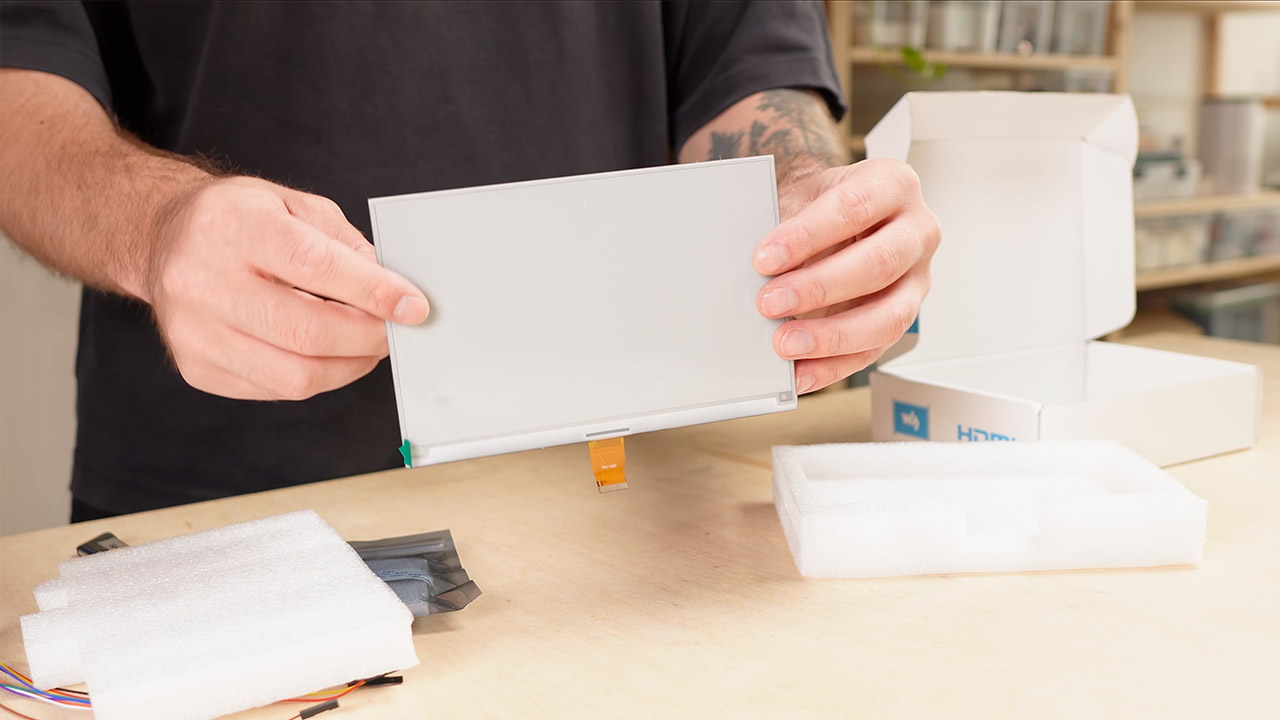
Now, the map is being drawn using a Waveshare 7.5-inch E-Paper HAT V2. Having multiple shades of gray makes the coastline and ship markers readable, and the greatest thing is that the screen only needs energy when the image changes, making it very power efficient. Uploading partial black-and-white updates isn’t too difficult, but partial grayscale updates take longer. That provided Paul a reason to reconsider his design later. Paul had planned to use a Pi Zero 2 W, but it proved to be too expensive, so he purchased a used Zero W with the header pins already soldered on because it was a much cheaper alternative. That older board can still connect via Wi-Fi and run current software until 2026. However, it still utilizes the largely obsolete micro-USB power port, so he had to wire a USB-C breakout directly to the power pins and order a 5-volt 3-amp supply just to be safe.
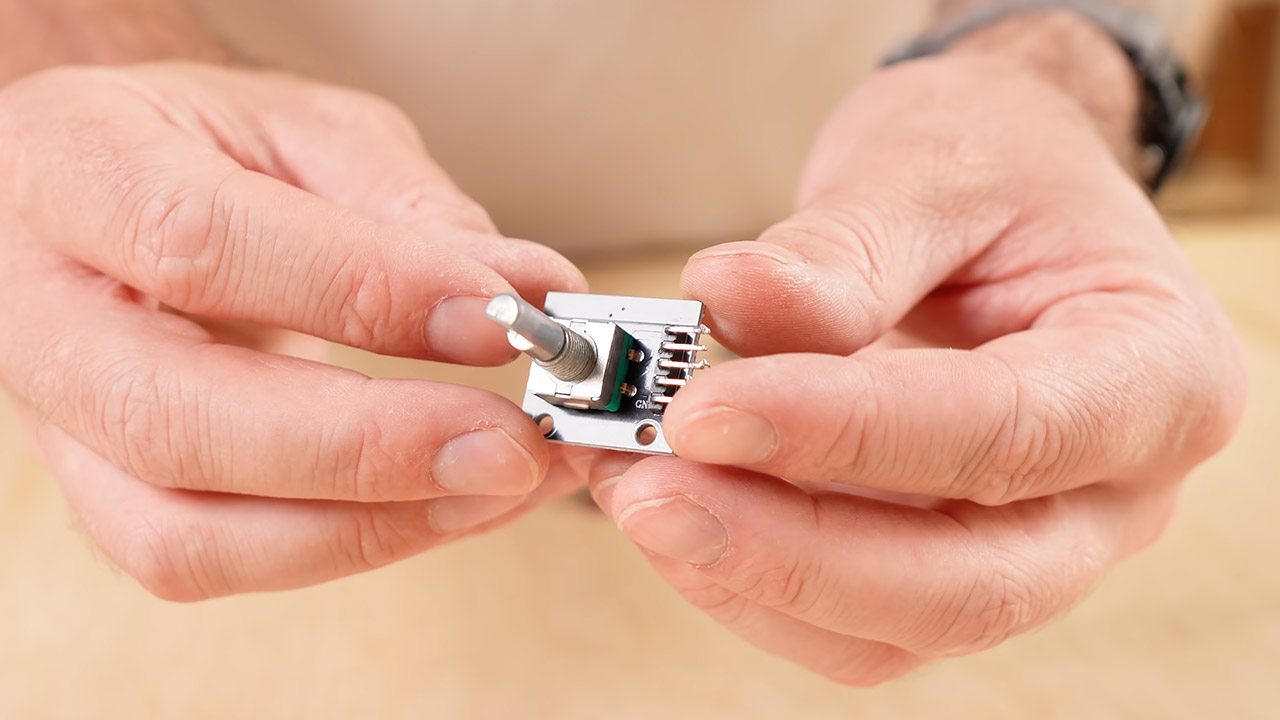
Instead of a touchscreen, two buttons do the trick, each having an encoder that spins both directions and has a pleasing click. One knob scrolls among lists and views, while the other allows you to read details about a specific ship, such as its destination, projected arrival time, speed, length, and beam. There are two options: recommended mode displays the larger or more interesting vessels, and full list allows you to scroll through every ship that is currently reporting in. You can even mark one as a favorite with a single button press. After sitting inactive for a while, the interface will switch to watch mode, a calmer layout that only shows one ship, allowing you to have it on in the background without requiring continual attention.
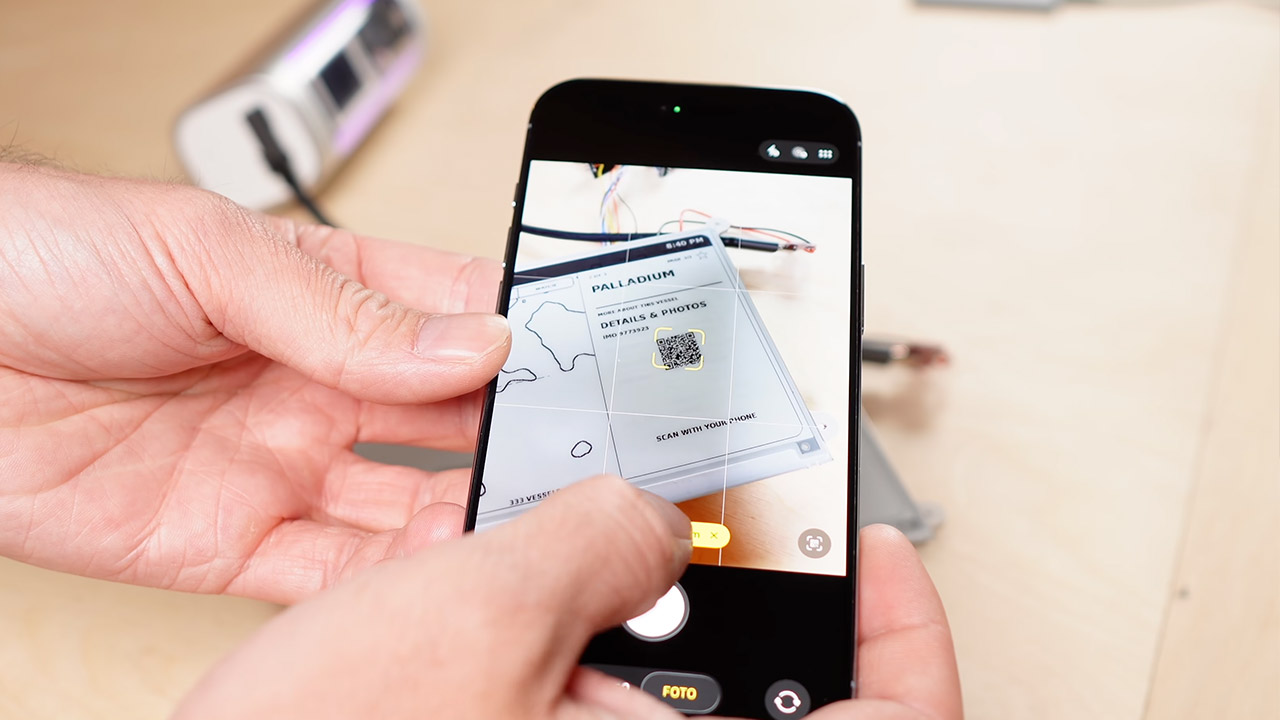
Having images of each ship seemed like a fantastic idea at first, but it turned out that it wasn’t an option in the end. These full-screen grayscale refreshes simply took too long. Instead, Paul simply removed the photos and added a QR code to the detail view instead. If you scan the QR code, you can easily see a snapshot as well as all of the extra records on your phone. If you prefer a written summary of the ship, an AI-generated synopsis is included in the same package. Menus are accessible in both English and German.
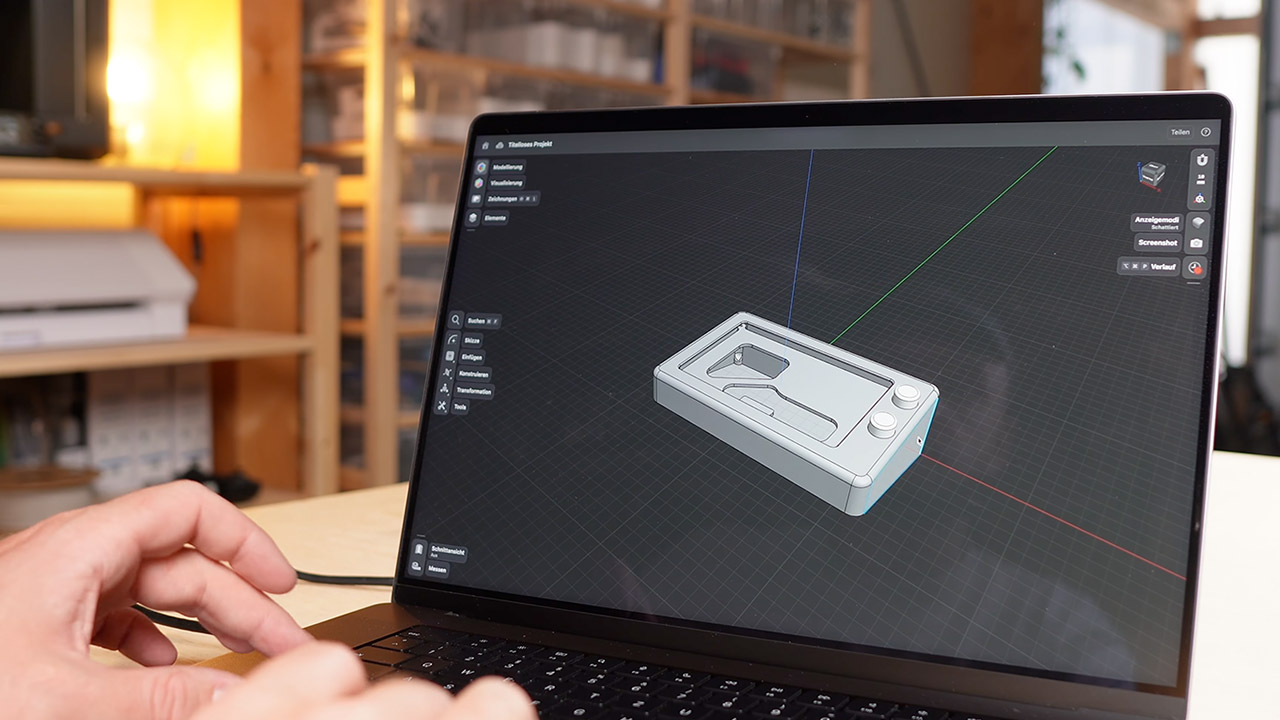
He worked on the enclosure using Shapr3D. The front is recessed to fit the display, but a separate back plate just holds the Pi on four screws, preventing any pressure from being applied to the glass. He also used foam tape to keep the display from sliding about. He made a several prototypes in Panchroma Muted White PLA until the holes lined up correctly, then added a bottom cover and matching knobs. You may obtain the 3mf files for the housing, cover, mounting plate, and knobs, as well as an illustrated wiring guide, directly from the shop.
[Source]
Paul Lagier’s Shiptracker Puts Live Gulf of Finland Ships on Quiet E-Ink
#Paul #Lagiers #Shiptracker #Puts #Live #Gulf #Finland #Ships #Quiet #EInk