Peter Knetter’s YouTube in Game Boy Puts a Handheld Through Studio Work
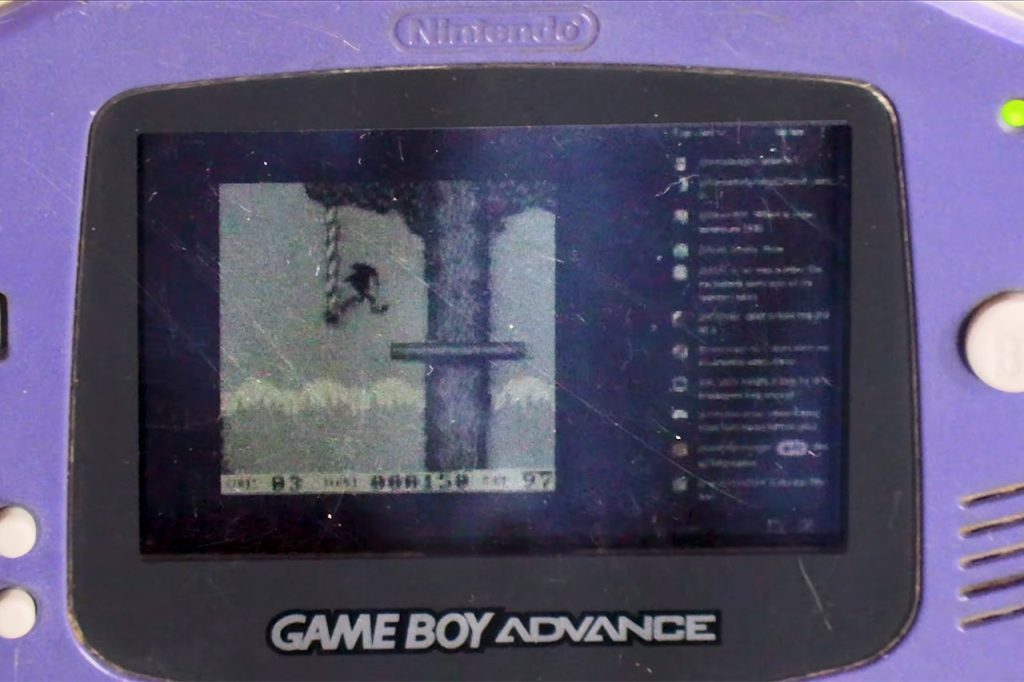
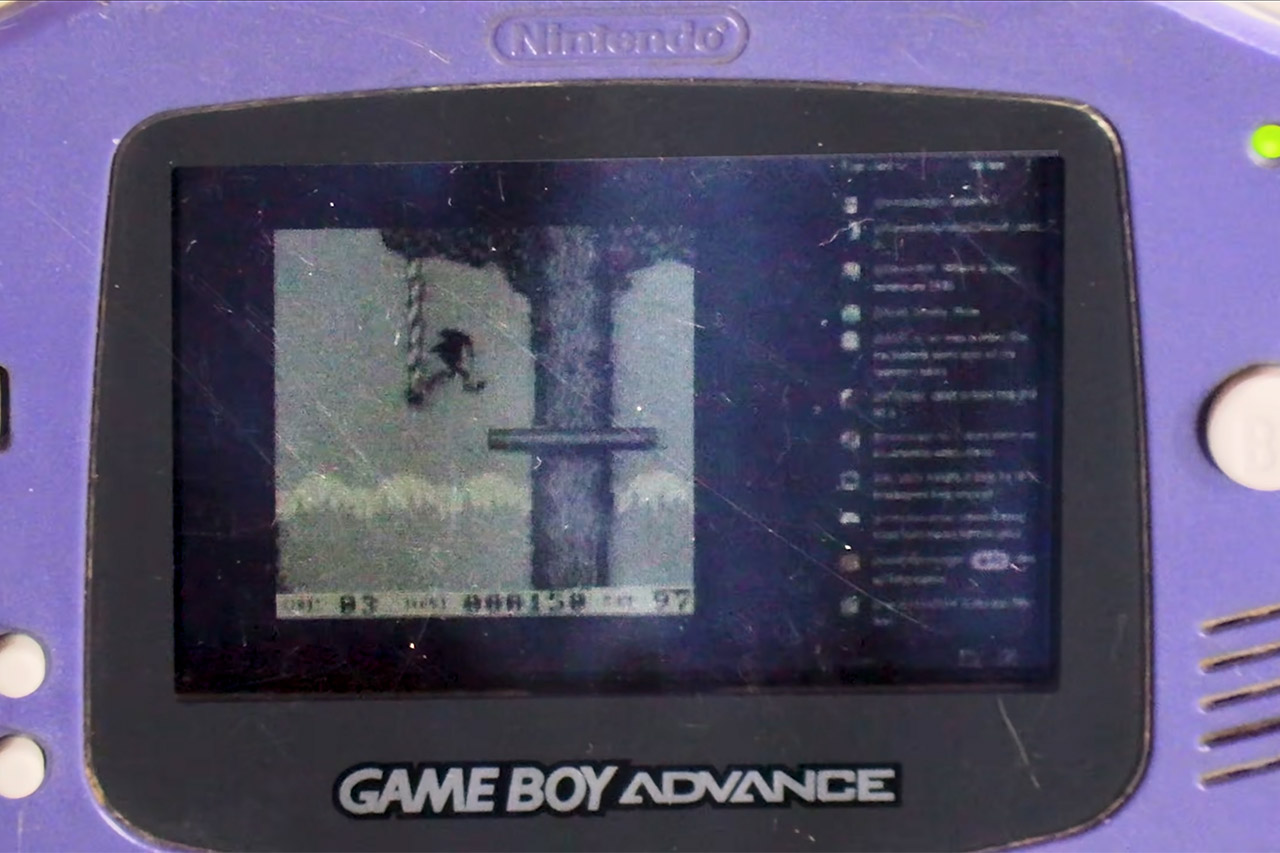
Peter Knetter has spent years asking old machines to do a modern job. His series, YouTube in, treats a console or a dusty operating system as a whole production desk. A few days ago, he posted the one fans had been waiting on. ‘YouTube in Game Boy‘ documents his journey to make a YouTube video using only a Game Boy.
Anyone hoping for a live YouTube app on a 1989 Game Boy brick will most likely bail out early. Other game developers have attempted to address this identical issue. There’s a Wi-Fi cart available that can stream video frames into a Game Boy Color via a computer doing the fetching, as well as a homebrew cart called GBCTube that does something similar by pretending to be a game that the console is reading from. Knetter’s video is a different situation, since he intended the handheld to serve as a camera, microphone, notepad, and editing suite for this video, which had to be uploaded to YouTube. The problem is that the original Game Boy hardware is barely capable of handling those jobs. To get closer to what he desires, a Game Boy Advance and a host of seemingly random accessories could just do the trick.
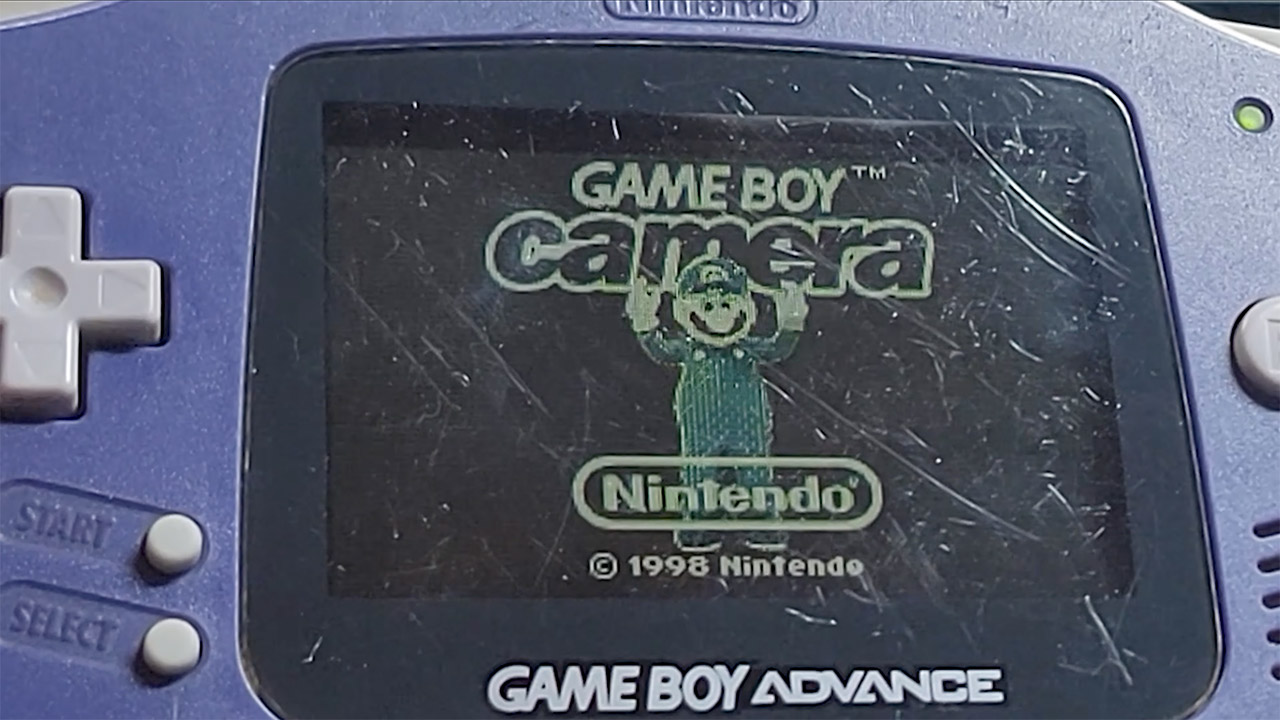
First up, filming. He’s utilizing the 1998 Game Boy Camera cartridge, which previously held the record for the smallest digital camera available. It takes still images in four shades of gray at a resolution of 128×112 pixels, and the lens ball on top rotates so you can direct it at your own mug. Knetter typically uses it for talking-head shots, resulting in each intro being a static, slightly blurred portrait rather than anything moving. Where do you get motion? He connects the Advance to a TV tuner and an AV cable so that the gaming can leave the handheld and end up on a PC.
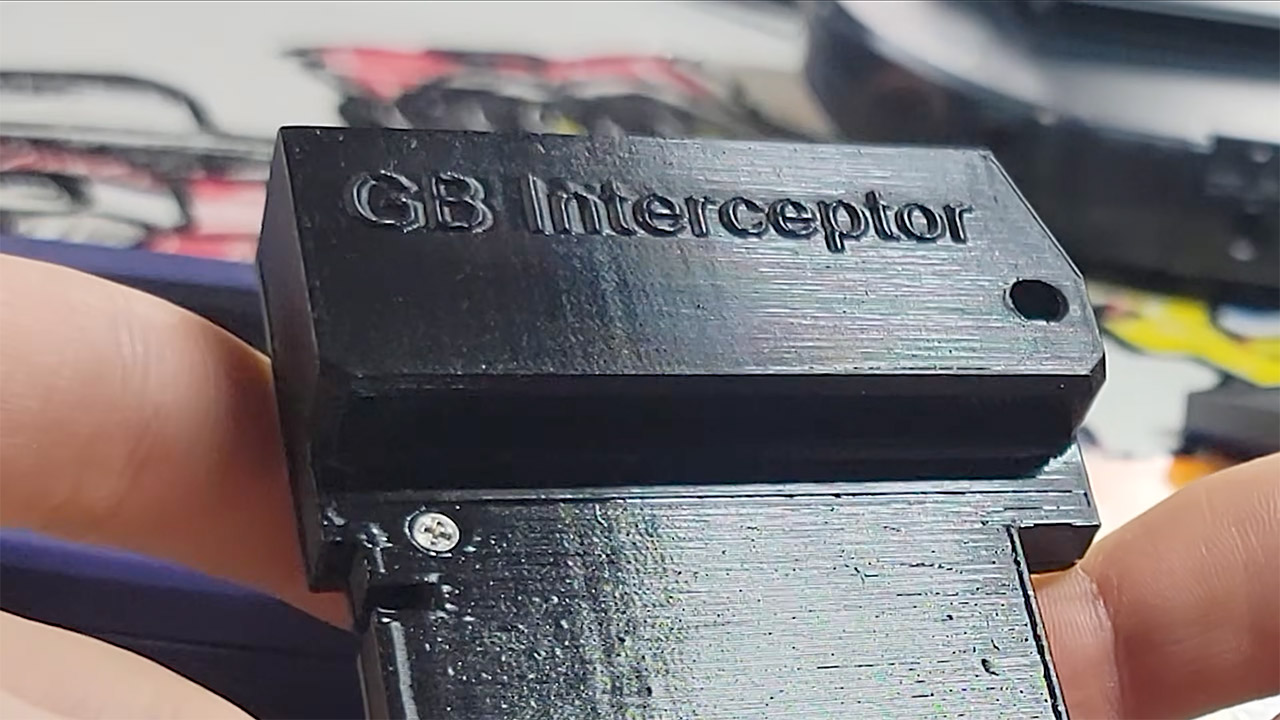
Then there’s the Game Boy Interceptor, a bizarre device that appears on the computer as a webcam, capturing the screen at a frame rate that makes even Sonic look like a flipbook. He also has a voice on a Game Boy Advance MP3 recorder (one of those really insane devices sold to convert the handheld into a music player in the first place). The line-in audio sounds like a 2001 phone call, and a few takes are discarded because, guess what, he never hit record.
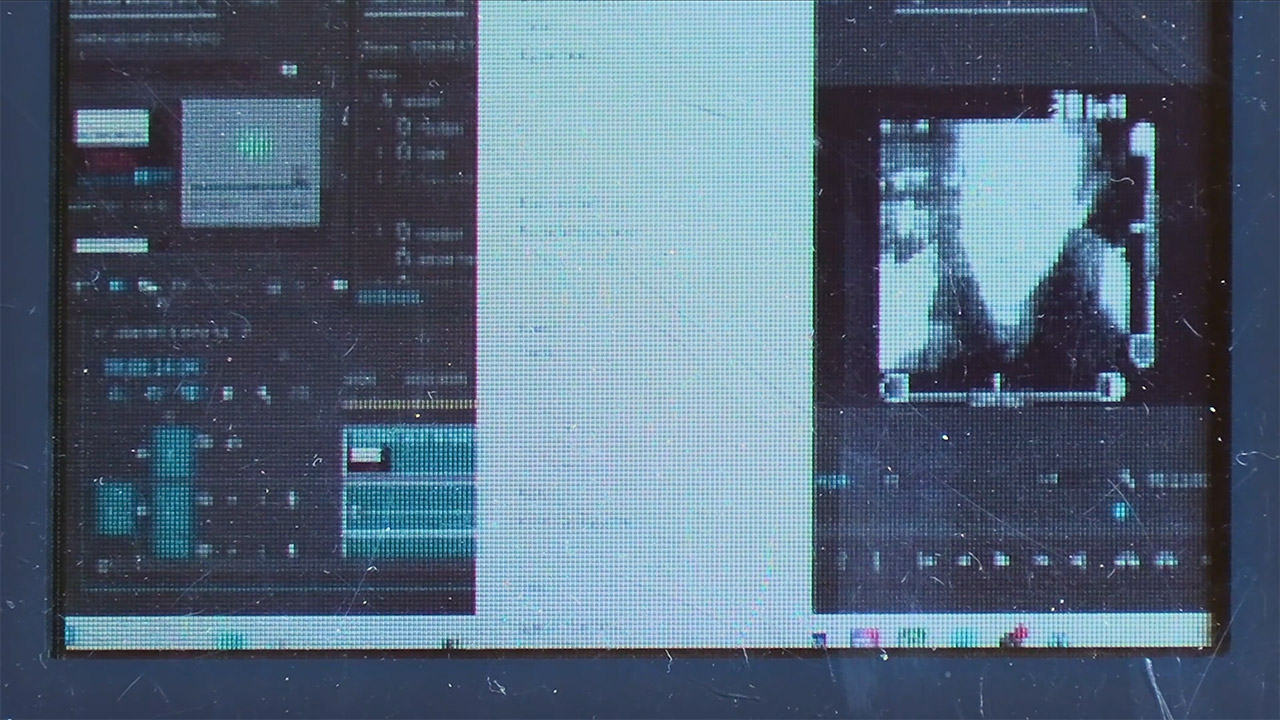
Editing is where the novelty of a problem fades. Footage is thrown down in Adobe Premiere on a standard computer, and we then have to wrestle that beast of a software off the Advance, scurrying around on a screen that was never built for a project timeline to begin with. Don’t even get me started on dubbing in the audio afterward, which is a time-consuming process that requires each clip to be manually lined up. Adding music to the mix is a bit of a scavenger hunt, as it’s simply dropped in from wherever it is on the system, and then there’s the thumbnail, drawn on that tiny display with the mouse button flipped (I swear, it’s just one more thing to drive you insane), adding shading one little blot at a time.
Peter Knetter’s YouTube in Game Boy Puts a Handheld Through Studio Work
#Peter #Knetters #YouTube #Game #Boy #Puts #Handheld #Studio #Work