Foreigners evacuated from Ebola hotspot as fears of wider outbreak grow
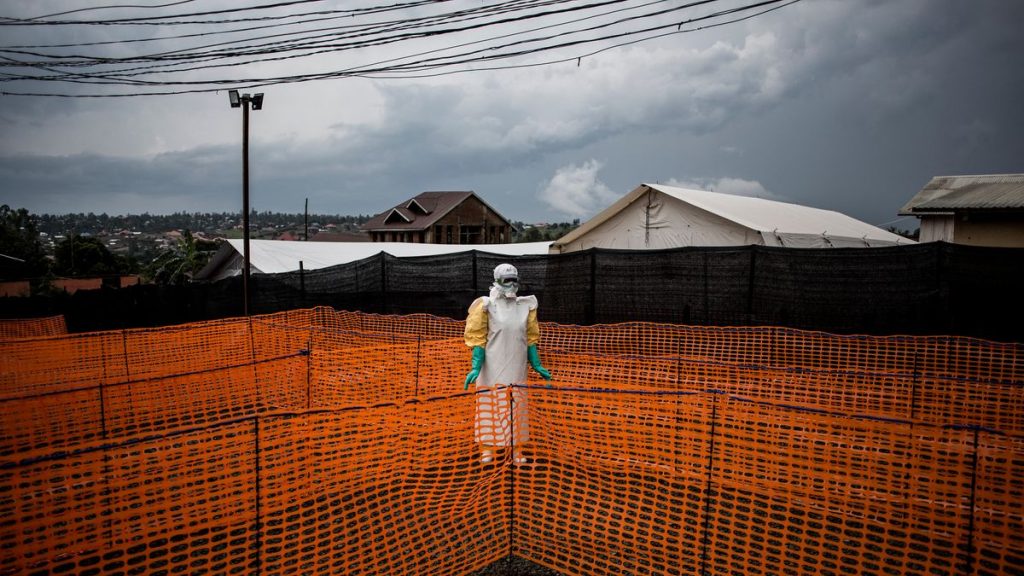
Several Americans have been evacuated from the Democratic Republic of Congo after being exposed to a deadly strain of Ebola that is believed to have killed at least 90 people in east and central Africa

WHO chief Dr Tedros Adhanom Ghebreyesus warned there are still “significant uncertainties” around the true number of infections and the full spread of the virus.(Image: AFP via Getty Images)
Foreigners who may have been exposed to a deadly new strain of the Ebola virus are being evacuated from east and central Africa as fears grow over what is becoming a rapidly spreading outbreak in Congo and Uganda.
At least six Americans are believed to have been exposed to the deadly virus in the Democratic Republic of Congo (DRC), with at least one believed to have developed some symptoms.
US officials are now desperately scrambling to pull their citizens out of outbreak zones, with reports suggesting that some could be flown to a military base in Germany for monitoring and treatment.
The US Centers for Disease Control and Prevention confirmed it was helping coordinate “the safe withdrawal” of a small number of Americans caught up in outbreak areas, although officials did not say whether any had tested positive.
This latest alarming development comes after the World Health Organisation (WHO) declared the Ebola outbreak a global public health emergency.
WHO warned the crisis could be “a much larger outbreak than what is currently being detected and reported” as cases continue to rise across Central Africa.
Nearly 90 people are feared dead and more than 330 suspected infections have already been recorded in eastern Congo, while two confirmed cases including one death have been detected in neighbouring Uganda.
The disease is being caused by the rare Bundibugyo strain of Ebola, which is one of the deadliest forms of the virus and one for which there are currently no approved vaccines or treatments.
Experts say the strain can kill up to half of those infected.
WHO chief Dr Tedros Adhanom Ghebreyesus warned there are still “significant uncertainties” around the true number of infections and the full spread of the virus.
The outbreak began in April in eastern Congo’s Ituri province, where gold-mining towns including Mongwalu and Rwampara have become major hotspots.
One confirmed case has now reached the capital Kinshasa, which is home to more than 17 million people, sparking fears the disease could spread much further.
Uganda has also confirmed infections linked to travellers crossing the border from Congo.
WHO said the ongoing security crisis in eastern Congo, combined with high population movement and weak healthcare systems, has dramatically increased the danger of regional spread.
The virus spreads through bodily fluids including blood, vomit and faeces and can also be passed on through contaminated surfaces or contact with infected bodies during funerals.
Symptoms begin with fever, headaches, muscle pain and exhaustion before progressing to vomiting, diarrhoea, organ failure and, in severe cases, internal and external bleeding.
The WHO has urged neighbouring countries to strengthen border screening and disease surveillance but said there was “no basis in science” for closing borders or halting trade.
For the latest breaking news and stories from across the globe from the Daily Star, sign up for our newsletters.