Fascinating Look Back at the Apple Pippin, the 1996 Console That Sold 42,000 Units and Then Vanished
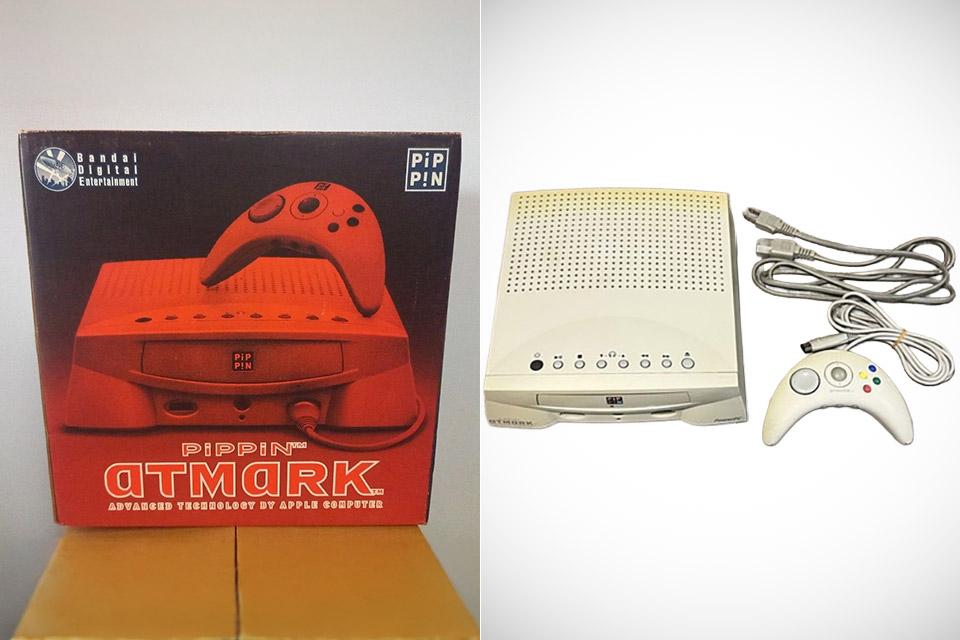
In December 1994, Apple stood on a stage in Tokyo and introduced Pippin as a licensed multimedia platform built around a stripped-down Macintosh. Bandai, already deep into toys and children’s entertainment, signed on as the first manufacturer. The plan called for a living-room box that could play CD-ROMs, connect to early internet services, and run a simplified version of Mac OS without forcing families to buy a full computer. Apple would supply the design and collect modest royalties. Bandai would handle the hardware, the packaging, and most of the financial risk.
On March 28, 1996, the white Bandai Pippin Atmark was available in Japanese retailers for ¥64,800 (about $600). A 66 megahertz PowerPC 603 processor, approximately 6 megabytes of RAM, a 4x CD-ROM drive, and a built-in modem are included. The AppleJack controller featured a trackball in the center and four colored buttons, but it resembled a cable box rather than a handheld game console. In some regions, the first stock evaporated quickly because there were only so many made in the first place.
Sale

Apple 2026 Mac mini desktop computer M6 chip | 12‑core CPU and 12‑core GPU, 16GB Unified Memory…
- LITTLE DO-IT-ALL — Mac mini packs pure power into a small, five-by-five-inch desktop as the M6 chip delivers next-level AI capabilities. Mac mini…
- M6 CHIP — Everything you do on Mac mini feels more responsive with the M6 chip and its next-generation CPU. Fly through AI workflows with up to 4.8x…
- CONNECT IT ALL — Features three Thunderbolt 4 ports, an HDMI port, and a 2.5Gb Ethernet port in the back, and two USB-C ports and a headphone jack…
Later that year, North American units were released under the name Pippin @WORLD, with the majority of them available in black for $599 and including a PSINet dial-up internet account, which was a pleasant bonus. Bandai had expected hundreds of thousands of sales in both regions, but the reality was much lower, with roughly 30,000 units in Japan and 12,000 in the United States, for a global total of about 42,000. Meanwhile, competitor systems like as the PlayStation and Nintendo 64 were available on the shelves, with considerably lower prices and stronger game lineups, as well as dedicated graphics.
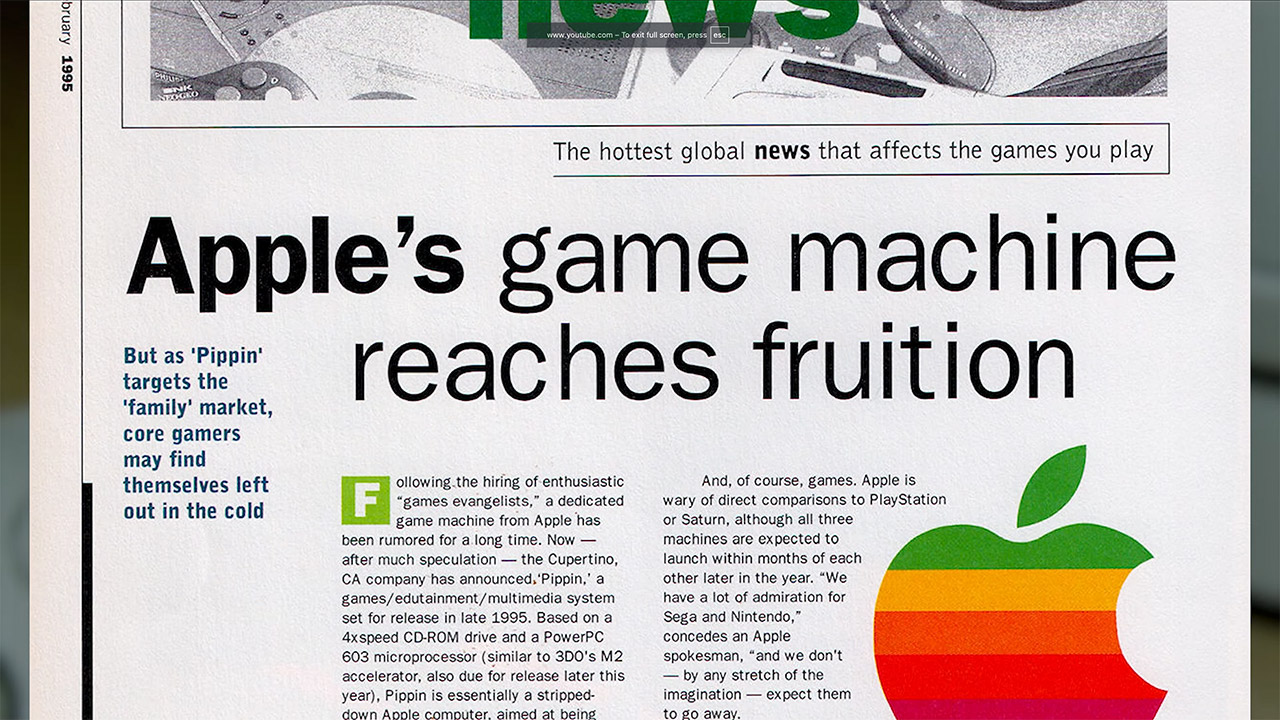
The software selection for the item remained rather limited throughout. We’re talking about maybe two dozen titles that made it to the United States, with a slightly higher number in Japan. Many of these were more concerned with education or children’s content than with the types of action and racing games that actually draw purchasers in a market where the Console Wars are all the rage. At the very least, region-free disks provided one little advantage, but in the end, the entire catalog was insufficient to keep the item in stock in retailers.
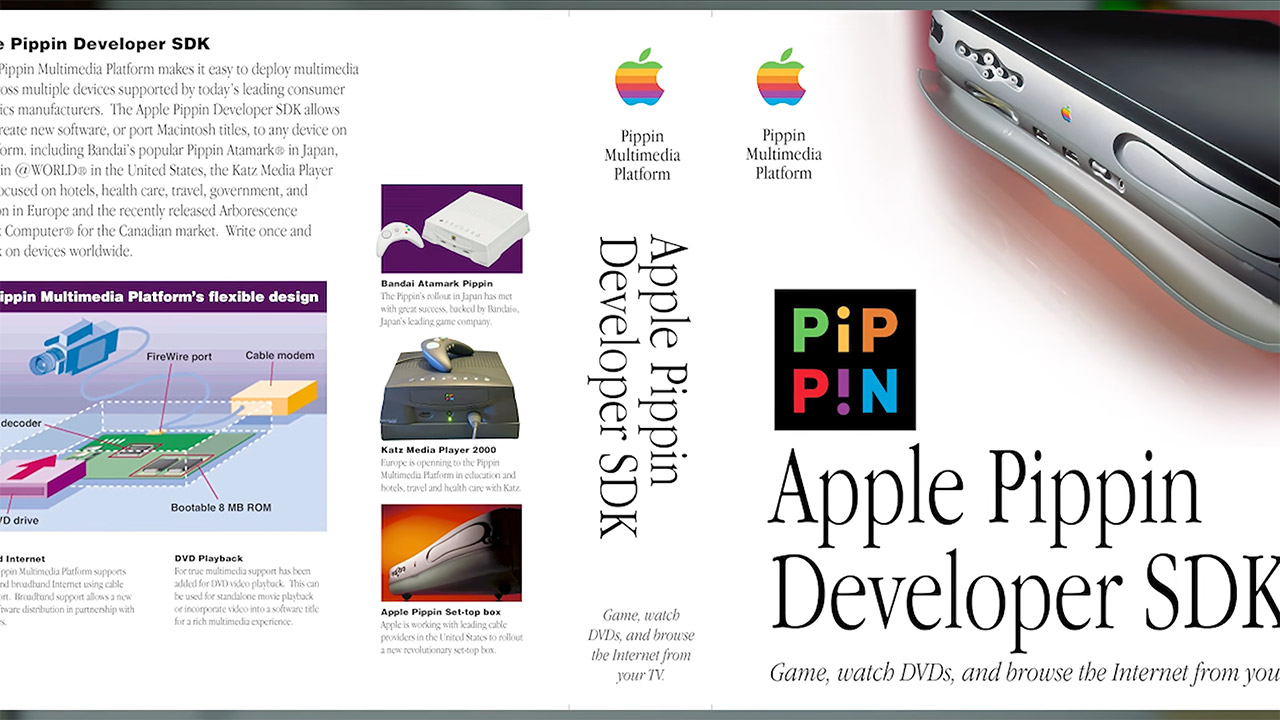
You’d think that accessories like extra memory cards and keyboard adapters would have helped to alleviate the problem of weak demand, but they just weren’t enough. Bandai had purchased approximately 100,000 devices from its manufacturing partner, but when the sales figures came in, the company was left with tens of thousands of units that it just could not sell. That meant they had incurred a reported loss of around 27 billion yen, or approximately $248 million at the time. A lesser European attempt under Katz Media created the KMP 2000 in extremely limited numbers, and it just fell away even faster. Plans for a follow-up model featuring a DVD drive never materialized.
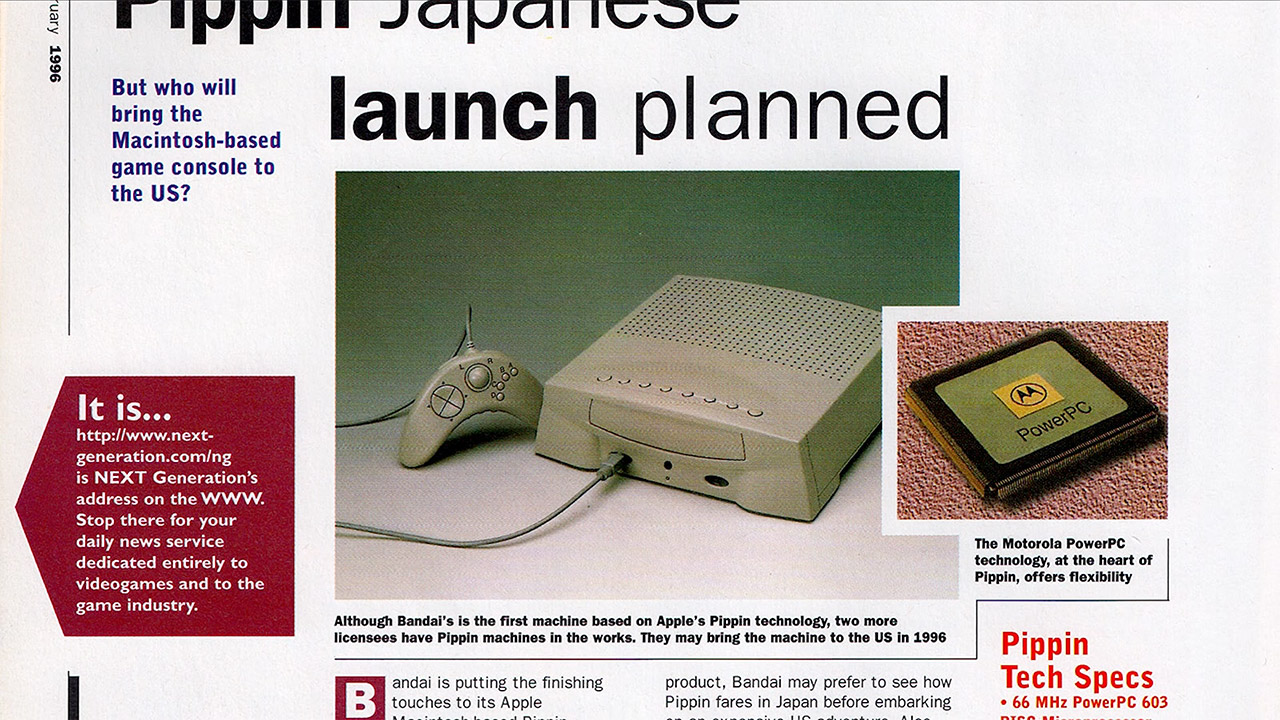
By the time Steve Jobs returned to Apple in late 1996, he had begun discontinuing items that were no longer fundamental to the business, and Pippin development was one of them. By mid-1997, Bandai had discontinued production. The remaining stock was returned to Japan, rebranded with the Atmark label, and then sold at a discount or stored in warehouses.
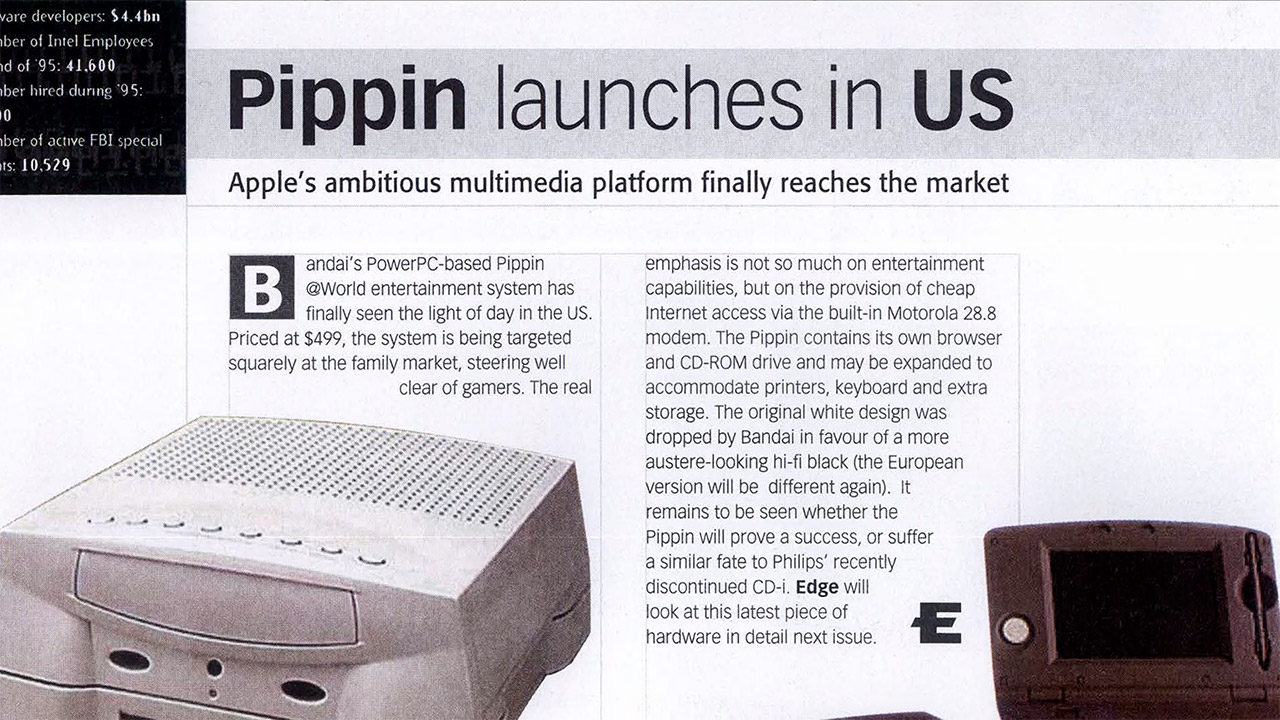
Starting in early 1998, the entire project had been officially abandoned, leaving Bandai with a sizable write-off and Apple with the brief but insignificant legacy of having ever attempted to enter the living room hardware game. Collectors continue to look for remaining devices today, although the Pippin itself has had little lasting impact beyond its fairly disappointing 42,000 sales.
Fascinating Look Back at the Apple Pippin, the 1996 Console That Sold 42,000 Units and Then Vanished
#Fascinating #Apple #Pippin #Console #Sold #Units #Vanished