‘They can’t trust what’s real’: Australia’s bowlers have questions to answer after Usman Khawaja claims

Want to bookmark your favourite articles and stories to read or reference later? Start your Independent Membership today.
Already a member?
Log in
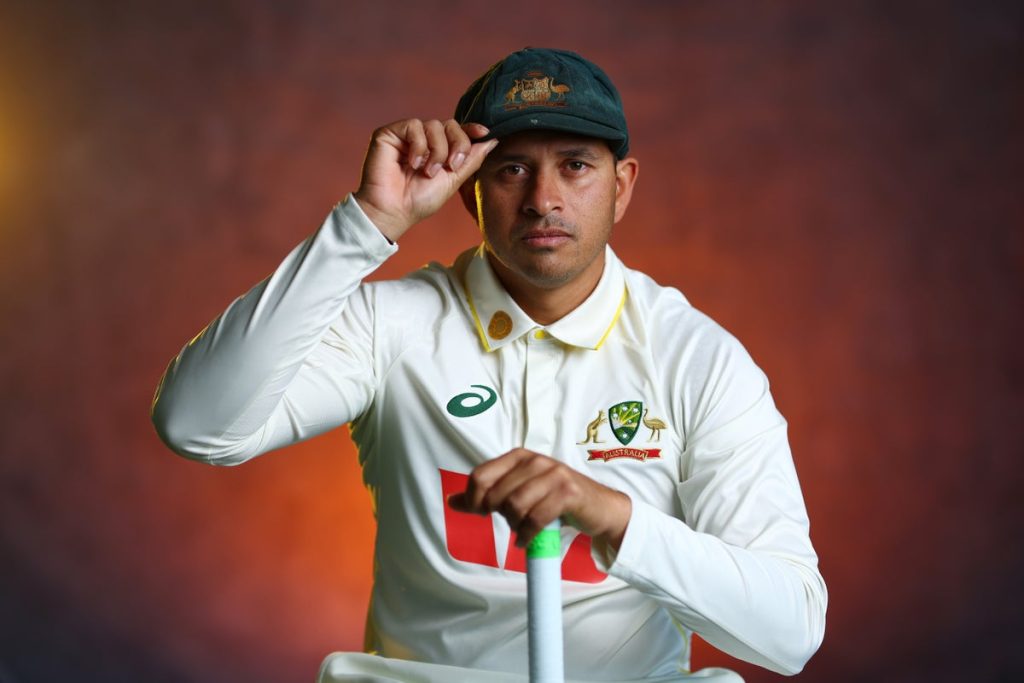
The pressure is mounting on Australia’s greying bowling attack: on the field, where they were well beaten by South Africa last month; and off it, where Usman Khawaja’s autobiography has cast an old shadow over the team.
Khawaja’s claim that everyone inside the Australian dressing room knew about Sandpapergate has raked up one of the darkest moments in the team’s history. “It was all of us,” he said, ahead of the publication of his new book, Sabr. “Not the batters, not the bowlers, not the staff. All of us.”
Steve Smith’s line immediately after that infamous day’s play in Cape Town in 2018 was that an unspecified “leadership group” knew about the plot. Later it became a select three who took the heat: the captain Smith, vice-captain David Warner and the young player caught with sandpaper in his pocket, Cameron Bancroft, who all served bans and carried the stain on their reputations far longer.
Yet that has never been entirely satisfactory. Three guys knew? Really? Not their teammates? Not the staff? Not the world-class bowlers with a rigged ball in their hand?
Khawaja alleges in his book that ball-tampering went on during the previous Test match in Port Elizabeth, and that an unnamed coach discussed the sandpaper plan with Bancroft. He claims the players knew, and that one bowler even said in a huddle after a wicket: “Guys, it’s going heaps now. Just don’t do anything else to it, because it’s silly how much it’s going.”
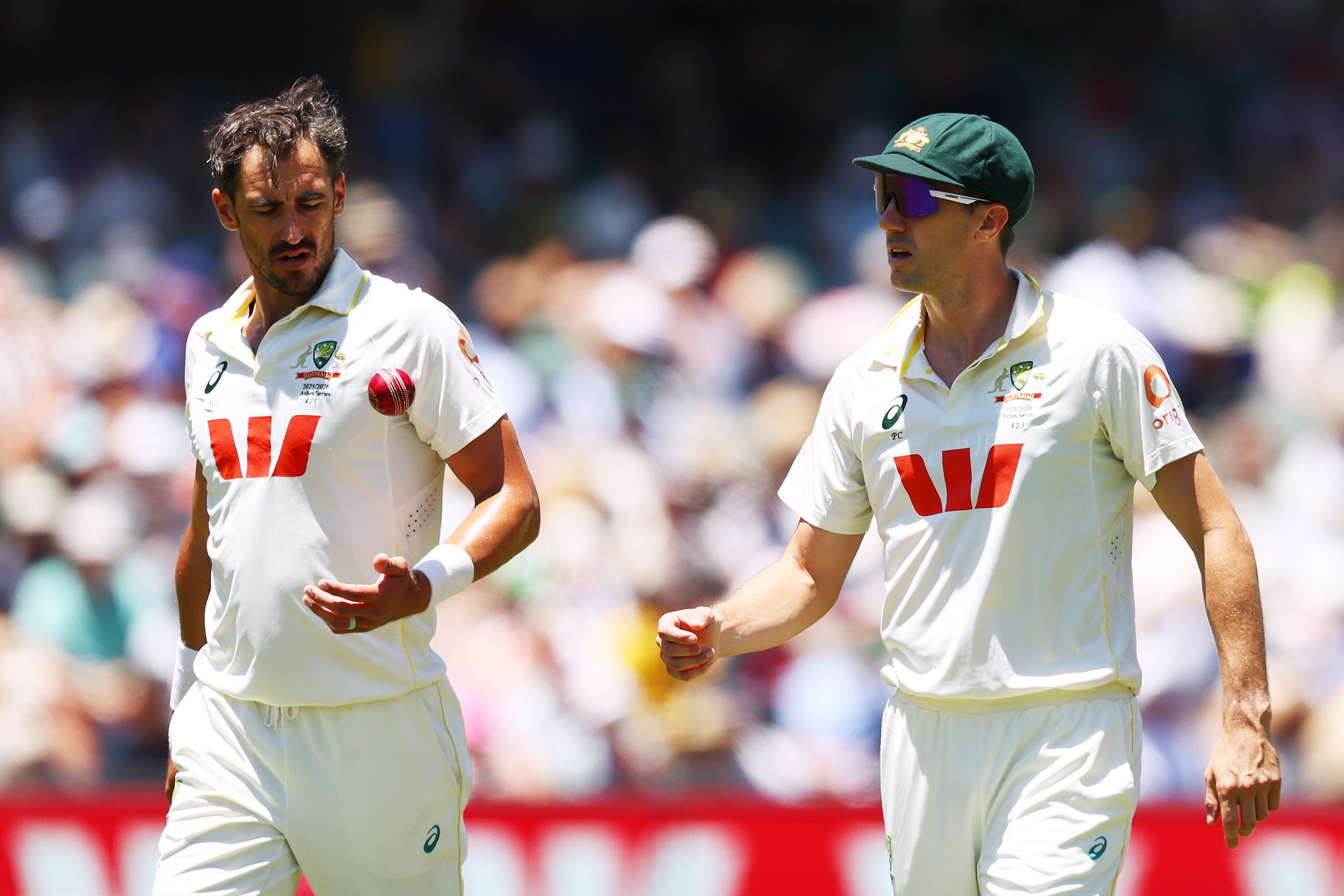
Former Australian bowler Mitchell Johnson wrote in a newspaper column this week: “My gut has always told me what Khawaja is now saying. As a bowler, the ball is your main tool. It’s your baby. You check it, you shine it, you take care of it every ball, every over … The idea that a ball could be scuffed with sandpaper and the bowlers wouldn’t notice didn’t make sense to me, and to plenty of people who have played the game. What disappoints me is the thought that a whole team knew and let three players take the hit.”
Khawaja is the first Australian player to break cover and speak in such clear tones, and his words were backed up by Warner. “Ussie, I throw my full support behind you,” he posted. “I thank you for what you’ve done. It’s 100 per cent accurate what you’ve said. Now everyone knows the truth.” Chadd Sayers, a bowler on the tour, also endorsed Khawaja’s account.
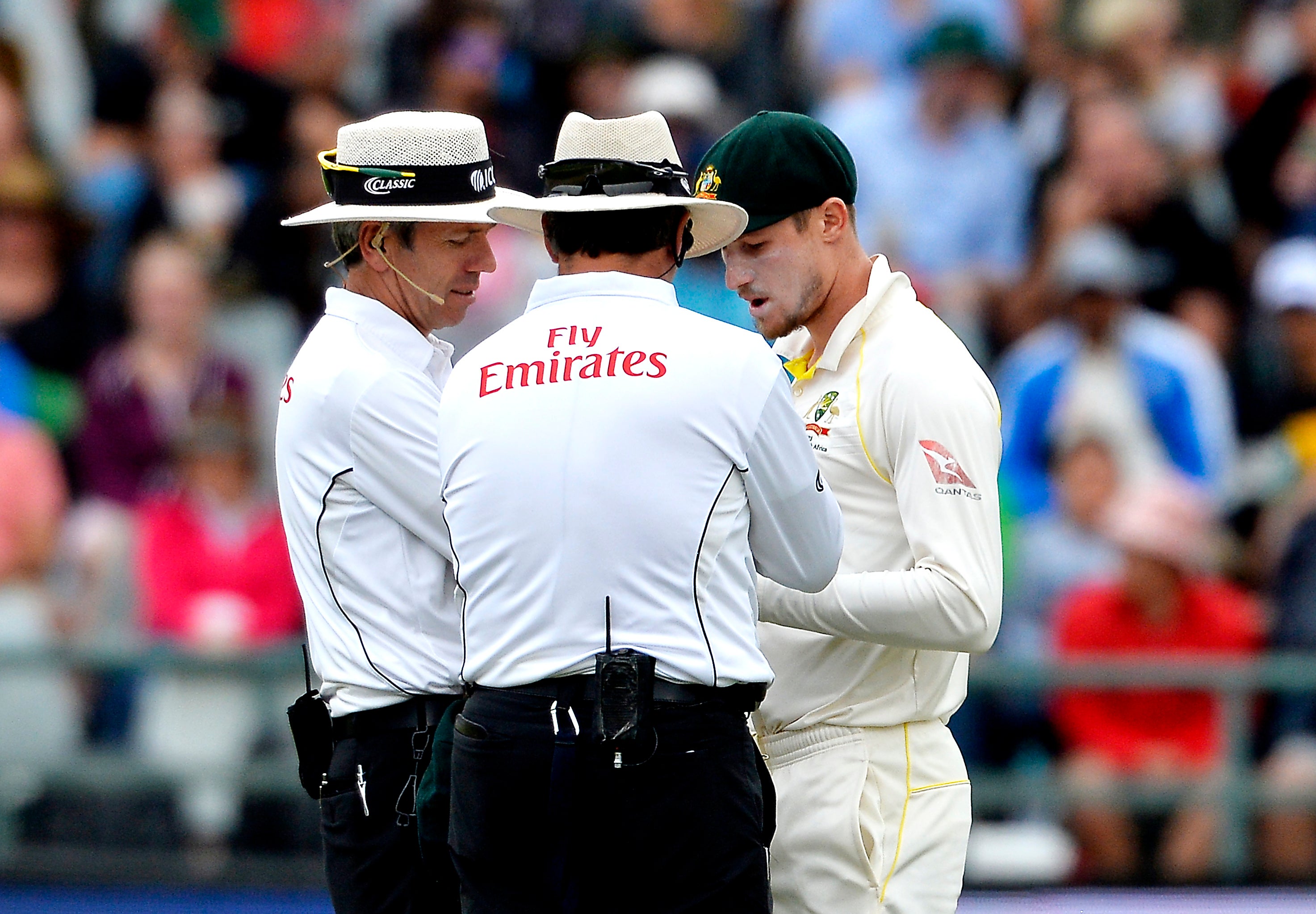
Sayers questioned Khawaja’s timing, eight years later with a book to sell. But even before these latest revelations, there were breadcrumbs of testimony. Bancroft’s 2021 interview with The Guardian was most telling, when he was asked if the bowlers knew what he was doing. “Obviously what I did benefits bowlers and the awareness around that, probably, is self-explanatory.” When pressed whether he meant the bowlers knew about the tampering, Bancroft added: “Uh … yeah, look, I think, yeah, I think it’s pretty probably self-explanatory.”
Then there were recent comments by back-up spin bowler Jon Holland, a peripheral figure in the room, who revealed how the team discussed who would “take the blame” and that Smith, Warner and Bancroft were “hung out to dry”.
“Once we got back to the hotel we did sit as a group [to discuss] what had happened and who was going to take the blame,” Holland told The Australian. “To Davey’s [Warner’s] credit, from what I remember, he did put his hand up and say he would take some of the responsibility, but not all of it. To be sitting there and seeing three blokes hung out to dry when you are supposed to be part of a team was a pretty hard watch.”
In the aftermath of Bancroft’s Guardian interview, which made headlines in Australia, the team’s vaunted bowling attack – Mitchell Starc, Josh Hazlewood, Pat Cummins and Nathan Lyon – issued a joint statement strenuously denying prior knowledge of the ball-tampering.
“We have already answered questions many times on this issue, but we feel compelled to put the key facts on the record again: we did not know a foreign substance was taken onto the field to alter the condition of the ball until we saw the images on the big screen at Newlands,” the statement read. “We respectfully request an end to the rumour-mongering and innuendo.”

Look closely at the wording, and what exactly were they denying? They said they didn’t know “a foreign substance” was taken onto the field. The Independent understands that this was almost certainly true: very few of the players or staff knew Bancroft had taken sandpaper onto the field during that particular afternoon session on day three of the third Test.
But what the bowlers didn’t directly address was whether they knew the Australian team were engaging in ball-tampering at any time during that match, and indeed that series. Starc said again this week: “We weren’t aware anything was taken onto the field to be tampered with,” words in line with the statement put out in 2021.
What Khawaja has claimed, and Warner has backed up, is the same message Bancroft hinted and Holland implied: that an awareness of ball-tampering in the Australian dressing room extended more widely than only Smith, Warner and Bancroft. The Independent has been told that another player, along with Khawaja, pushed for the entire team to take the blame, but they were talked down.
Cummins said last month that there was nothing left to discuss. “It’s obviously a long time ago,” said the Australian captain. “All the investigations, everything was done back then, answered every question a million times. It was dealt with then. All I can say is, as a group, we’ve moved on.”
But after three players were punished and pilloried while the rest carried on their careers, an inquiry is needed. Cricket Australia’s investigation was inadequate – “rushed and botched”, in Warner’s words – given Khawaja’s claim that he was never even interviewed. Cricket fans “can’t trust what’s real”, former captain Michael Clarke said this week.
Fresh questions must now be asked, particularly of the bowlers who denied all. Who knew ball-tampering was going on in that series? When else was the ball tampered with?
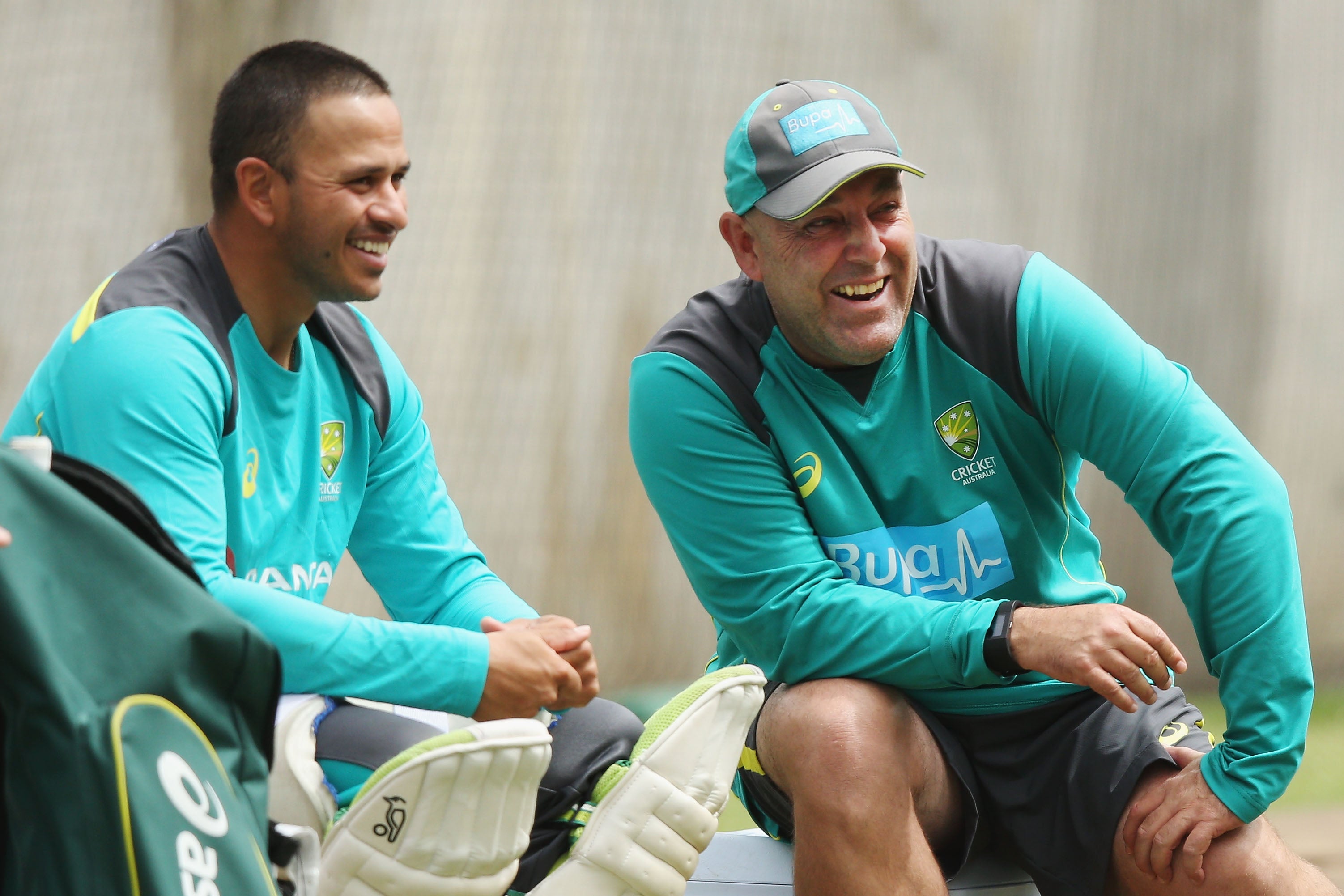
How much did the coaches know? Darren Lehmann was head coach during the scandal, and he tearfully resigned days later, citing abuse of his family. He has always insisted he knew nothing about the plot.
Mitchell Marsh is another figure in this story. He bowled during that notorious afternoon session in Cape Town but has said very little publicly. Notably, he was not a signatory on his fellow bowlers’ joint statement. With Cummins rested, Marsh is on media duties this week as Australia’s stand-in ODI captain ahead of their white-ball series against England, and no doubt he will have to confront some of the questions that linger.