BYD’s Yangwang U9 Xtreme Sets Production Car Speed Record At Nearly 313 Miles Per Hour
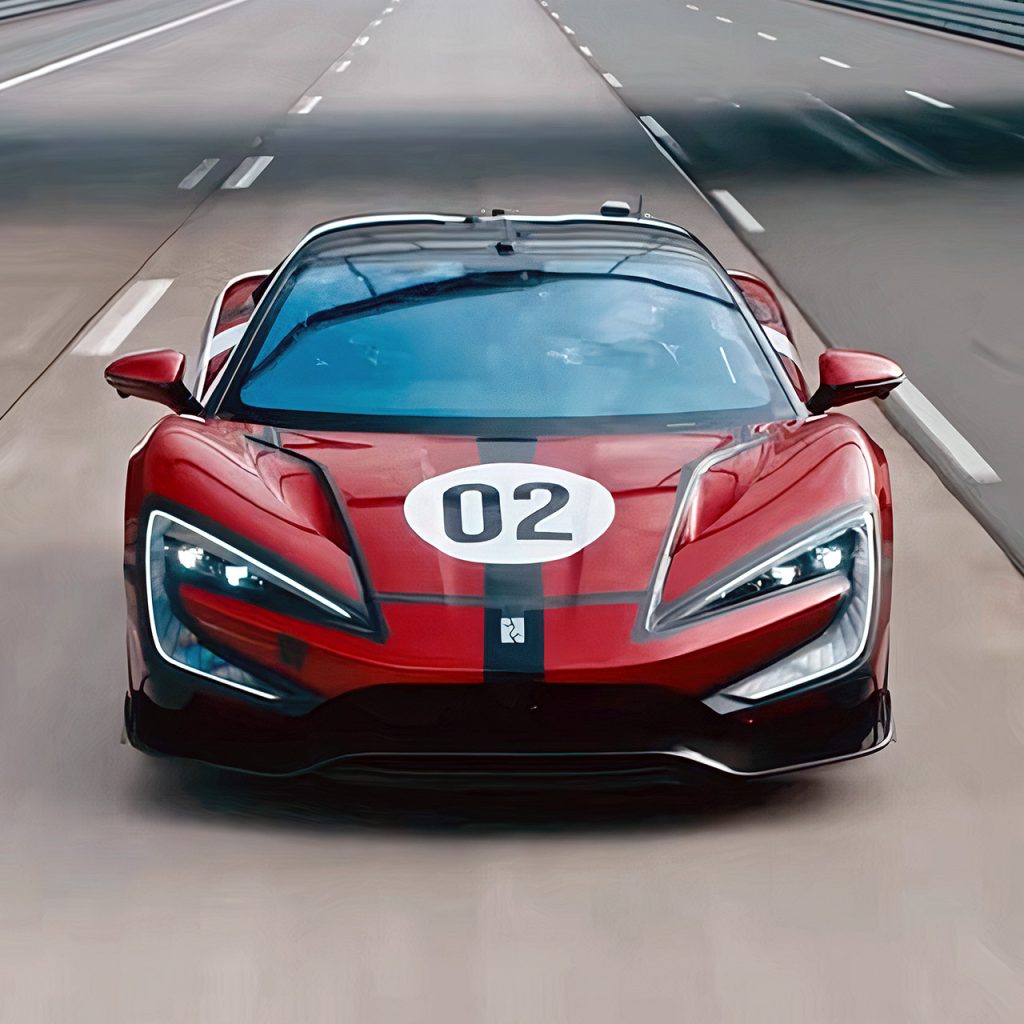
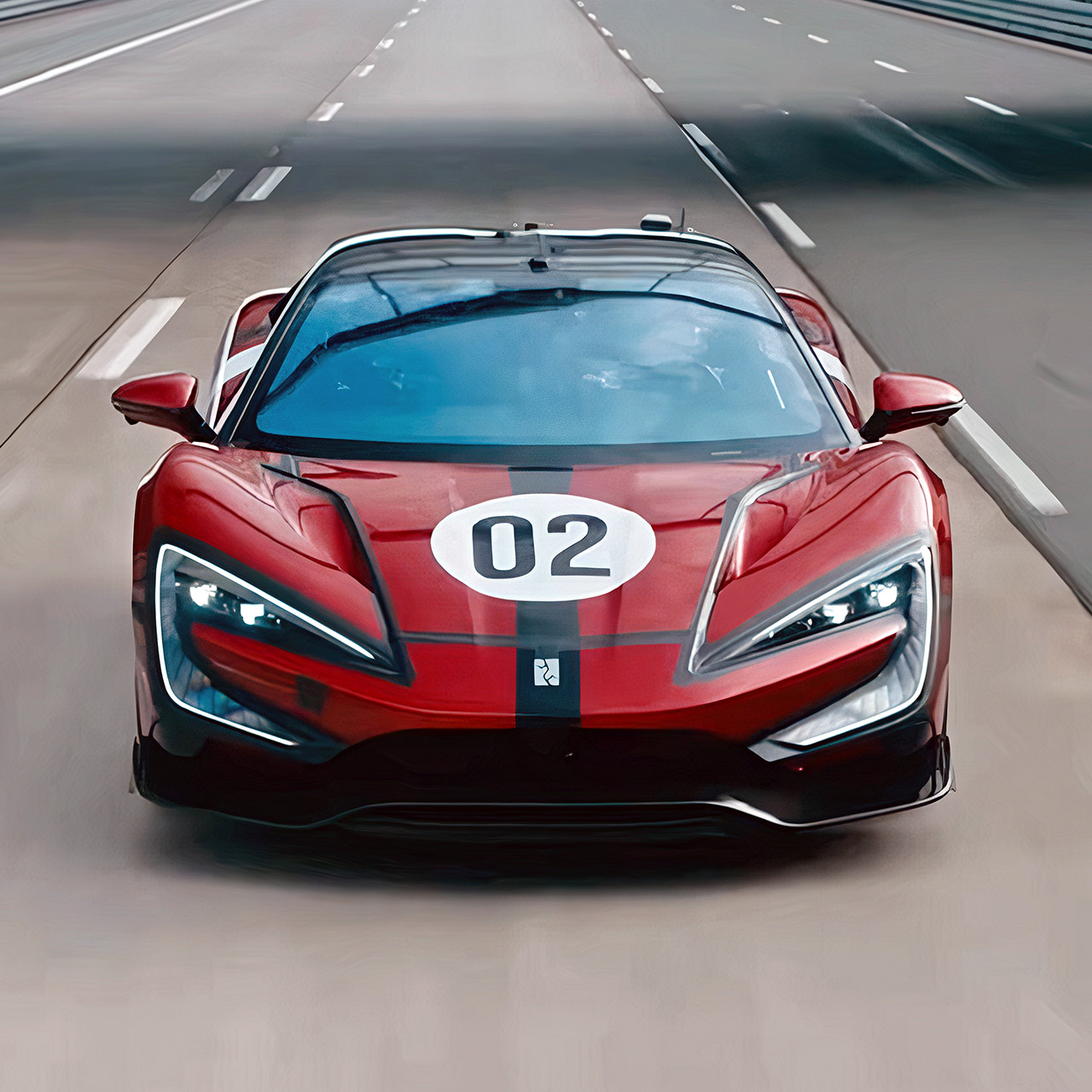
Marc Basseng guided BYD’s Yangwang U9 Xtreme down a closed stretch of highway outside Abu Dhabi on November 1 and held the throttle long enough for the car to reach 503.17 kilometers per hour, or 312.65 miles per hour. That single pass made the limited-run electric hypercar the first production vehicle ever to clear the 500-kilometer-per-hour mark and earned it two Guinness World Records along with official recognition from the FIA.
Local authorities closed off approximately a 10 kilometer stretch of the Sheik Khalifa Bin Zayed International Road in Al Dhafra, leaving only 7 kilometers of smooth pavement for the crew to test their luck on. Before releasing the car, the crew swept the road well to remove any stray wire fragments left behind by regular traffic, and then marked the path as safe so Basseng could concentrate on keeping the vehicle steady as the speed increased. He had already established the production car speed record of 496.22 kph at Germany’s ATP Papenburg proving station the previous year, so they knew the hardware was ready; all that remained was to get the conditions correct.
Basseng and the team completed two runs on October 31, reaching a high speed of 490 kph. They spent the nite changing the battery and motor temperatures, altering the rear wing for extra grip, updating the suspension software to handle the minor bumps on the road, and fine-tuning the tyre pressures. The next day, they repeated the process, and the data was eventually recorded on the Racelogic logger. Basseng described the public road setting as a different type of difficulty than a designated test track, requiring complete faith in all systems, especially as you reached 480 kph.
The Yangwang has four independent electric motors, one at each wheel, that generate a total output of around 2,978 horsepower on 1,200 volts, a relatively high voltage for a production automobile. Each motor can spin at up to 30,000 rpm, and the torque-vectoring technology alters output more than 100 times per second, resulting in amazing speed agility. The Blade Battery can tolerate a discharge rate of 30C, so the motors are always well-fed and never run out of steam. The Giti semi-slick tyres they’re using have their own Guinness records for the fastest EV and road car tyres, respectively.
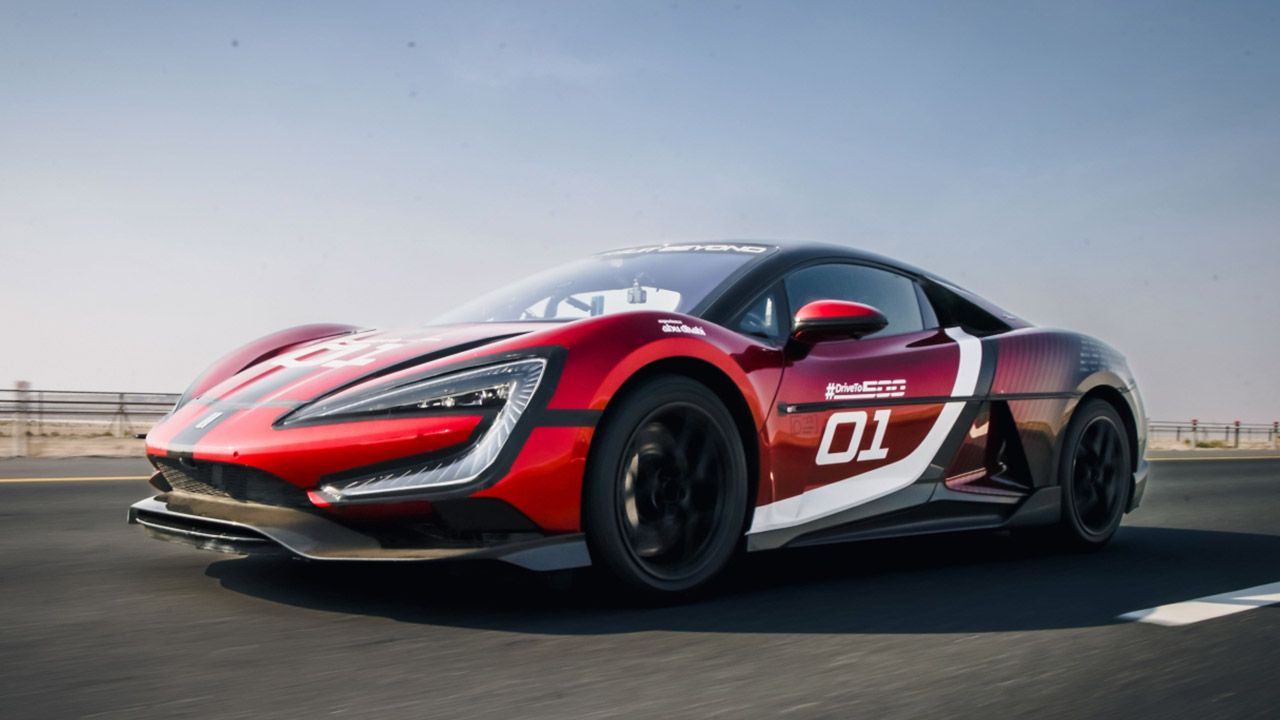
Yangwang’s path to the top was a slow burn. The conventional U9 variant reached 309 kph at a Chinese airfield in early 2024, then 392 kph at Papenburg later that year. The Xtreme version, which is limited to only 30 cars globally and costs more than 20 million yuan, accelerated to 472 kph in August 2025 before breaking the outright production car record the next month. The identical car lapped the Nürburgring Nordschleife in 6 minutes and 59.157 seconds, becoming the first production electric car to do it.
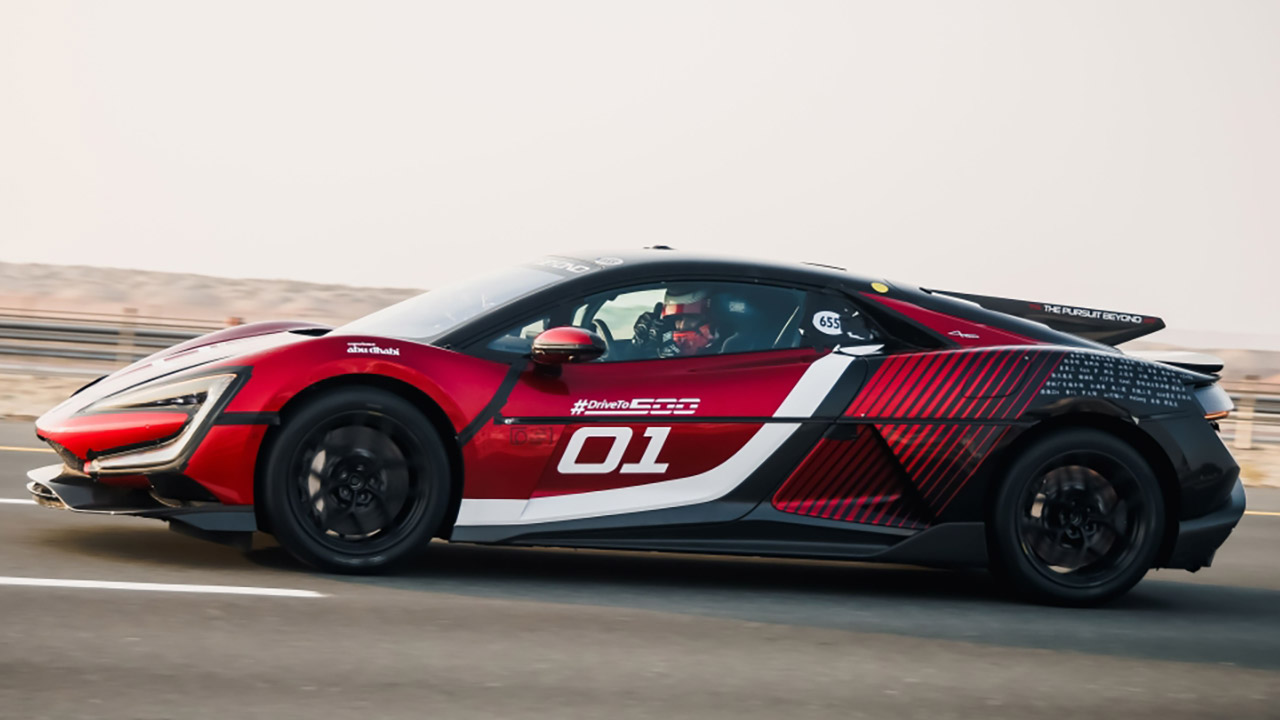
Guinness certified the Abu Dhabi run as the highest single-direction speed by both a production car and an electric production car. The FIA has also approved it. Because the attempt was a one-way pass rather than a two-way average, the official production vehicle record remains open, but no other street-legal automobile has ever reached a higher top speed. For a car that began as a side project for a battery business just three years ago, the 500 kph+ statistic is a truly astounding illustration of how far electric powertrains have come.
BYD’s Yangwang U9 Xtreme Sets Production Car Speed Record At Nearly 313 Miles Per Hour
#BYDs #Yangwang #Xtreme #Sets #Production #Car #Speed #Record #Miles #Hour