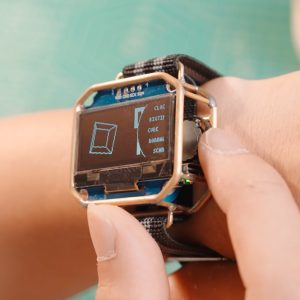
HVT Lab Handcrafts a Working Smartwatch From Brass Tubing and Everyday Electronics
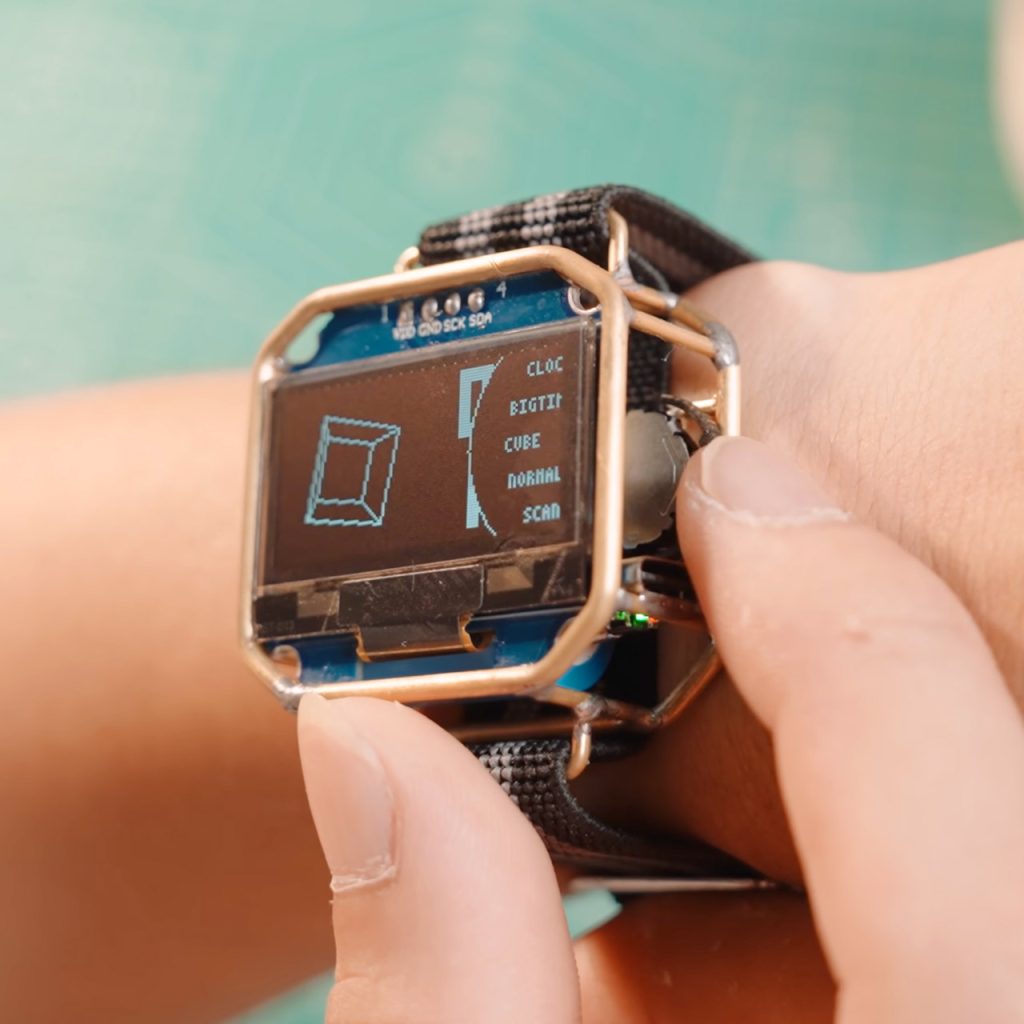
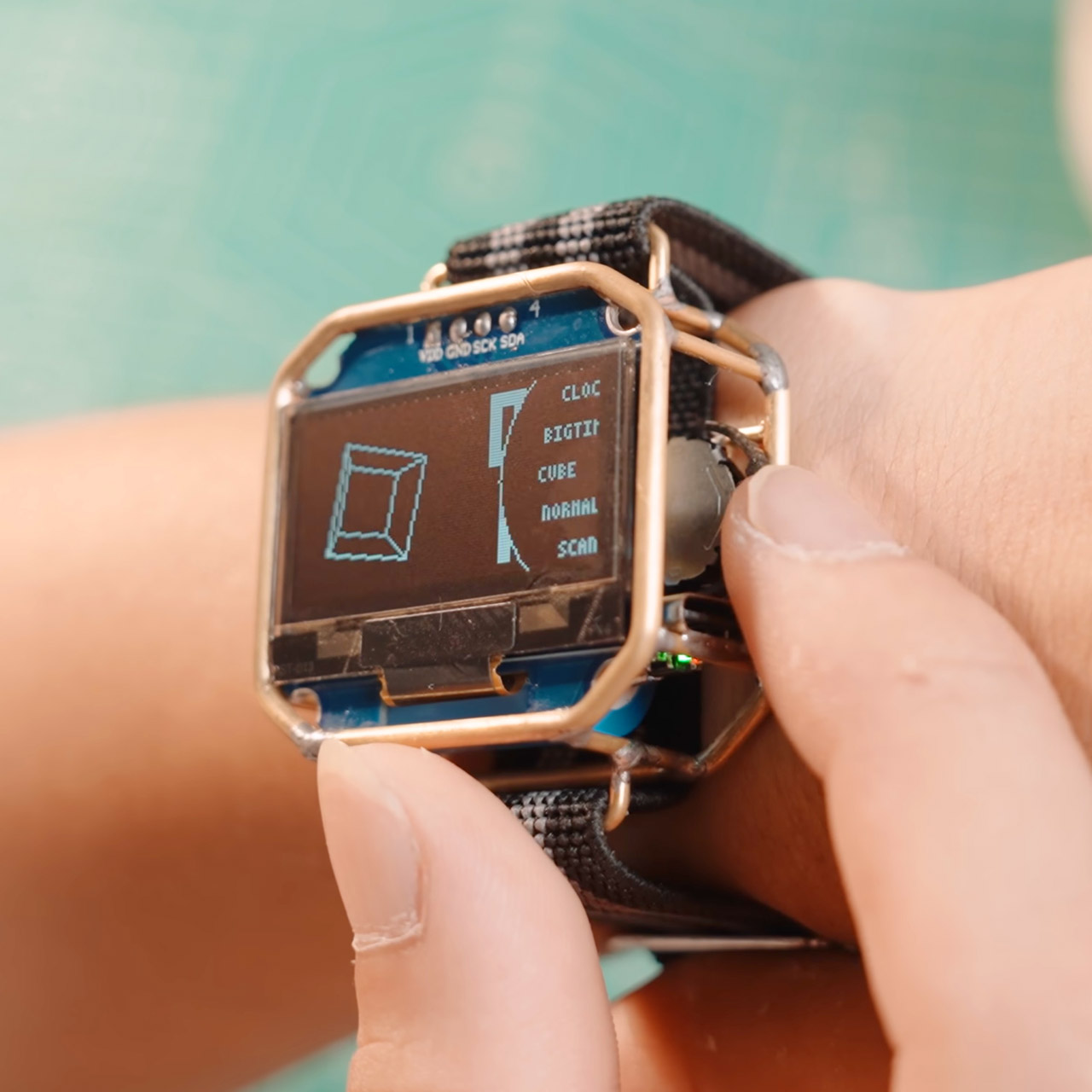
Most people treat a smartwatch as something you buy, charge, and eventually replace when the battery starts to fade. Huy Vector, who runs the HVT Lab channel, decided to build one instead. He shaped the entire case from 2 mm brass tubing, bent it into two matching frames, soldered the joints closed, and linked the pieces with thinner 1.5 mm rods. The result looks like a small metal cage that holds every part in plain view. No plastic shell, no 3D-printed case, and no custom circuit board went into the build.
Inside the brass skeleton, there is an ESP32-C3 Super Mini board. This is a relatively small microcontroller featuring a 160 MHz RISC-V processor, 4 MB of flash storage, and built-in Bluetooth. The watch’s screen is a 1.3-inch OLED display, which fits perfectly inside the frame thanks to some careful cutting by the Vector staff to ensure a seamless fit. They also removed the stock pin headers and replaced them with short pieces of 1 mm brass wire instead.
Sale

Apple Watch Series 12 GPS 42mm Smartwatch | Black Aluminum Case, Black Sport Band – S/M. Health + Fitness…
- STAY CLOSER TO YOUR HEART HEALTH—The most accurate heart rate sensing in a wearable,* Series 12 now measures HRV as often as every five minutes for…
- A FULL-FEATURED HEALTH TRACKER—Better understand your body with invaluable health insights. View your overnight health metrics with the Vitals app…
- CHECK YOUR READINESS FOR THE DAY—Know when to rest or put yourself to the test. The readiness experience can help you determine your capacity to…
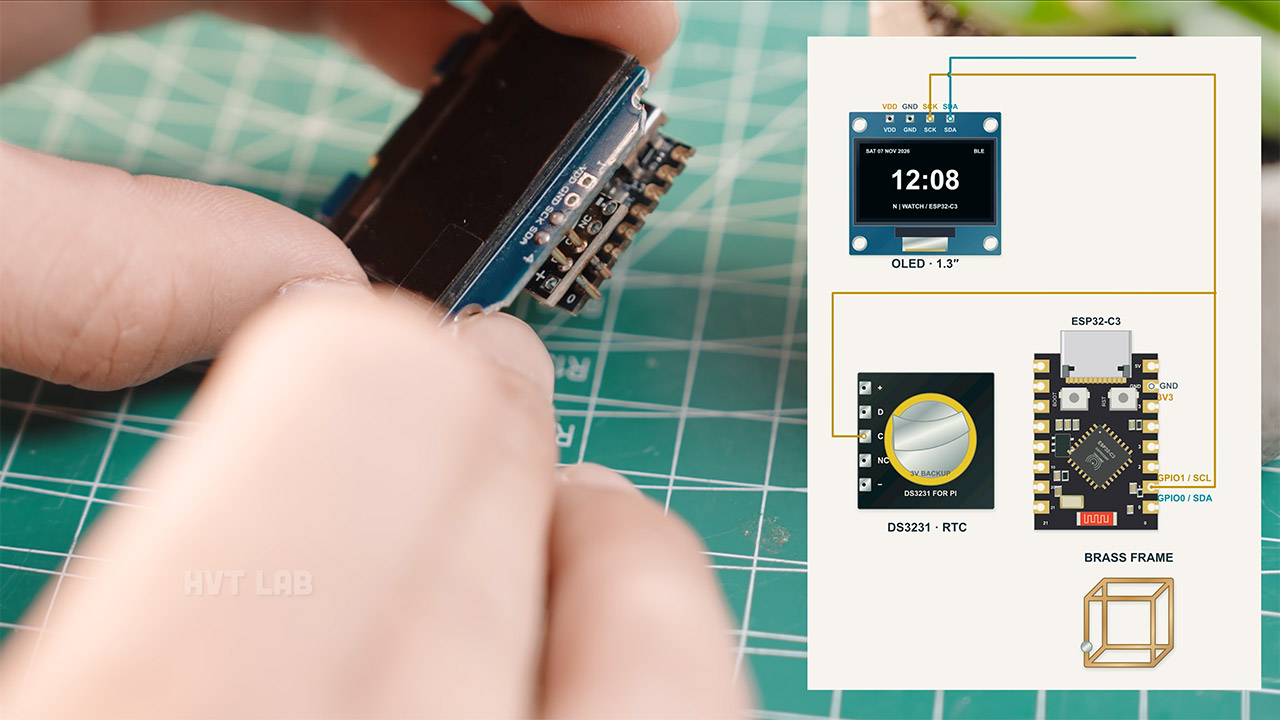
Even when the watch is turned off, a separate DS3231 real-time clock module keeps track of the time. As an added bonus, the display and clock can share the same two data lines, which helps to keep the wiring organized. Everything is powered by a small 3.7v lithium battery, and a small USB-C charging board is included for backup. A sliding switch turns off the main power, while a three-way toggle switch controls menu navigation.
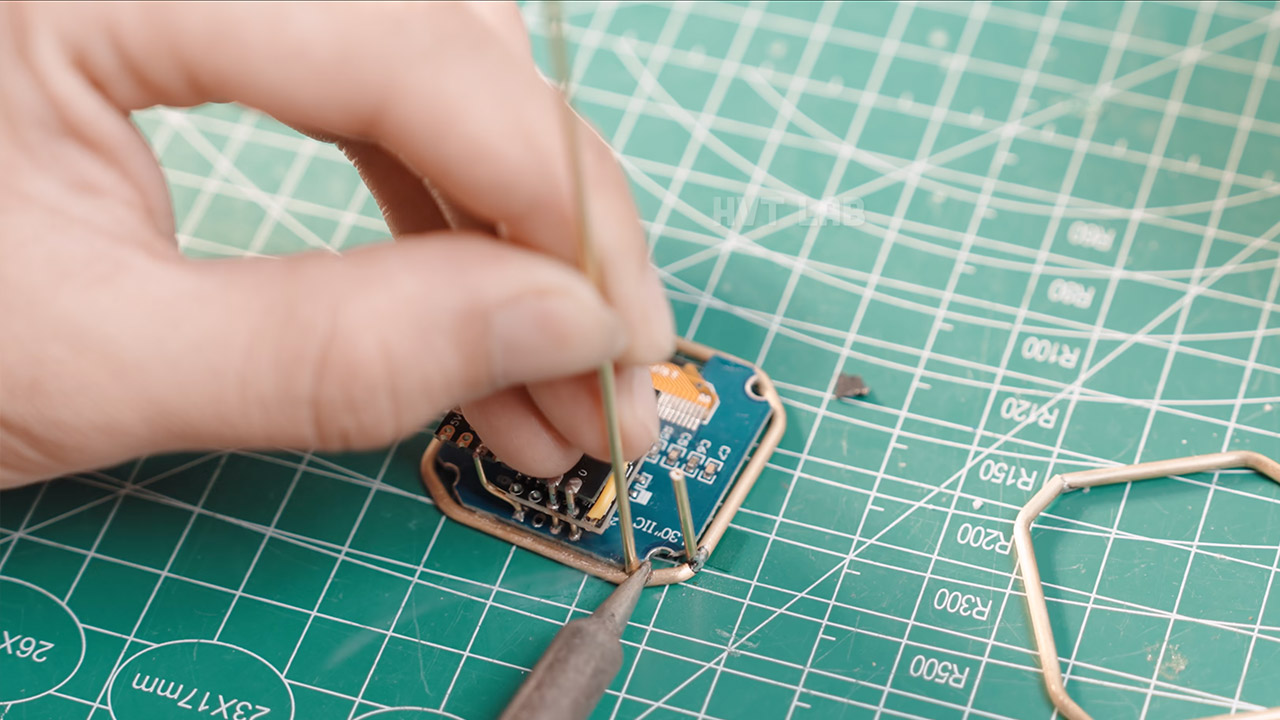
All of the ground connections are soldered directly into the brass frame, resulting in the entire metal cage acting as a large ground rail, which is a smart method for keeping things tidy and giving the watch an exposed industrial vibe. Vector secured all of the devices using a normal fabric strap and a protective covering to safeguard them from the outdoors.
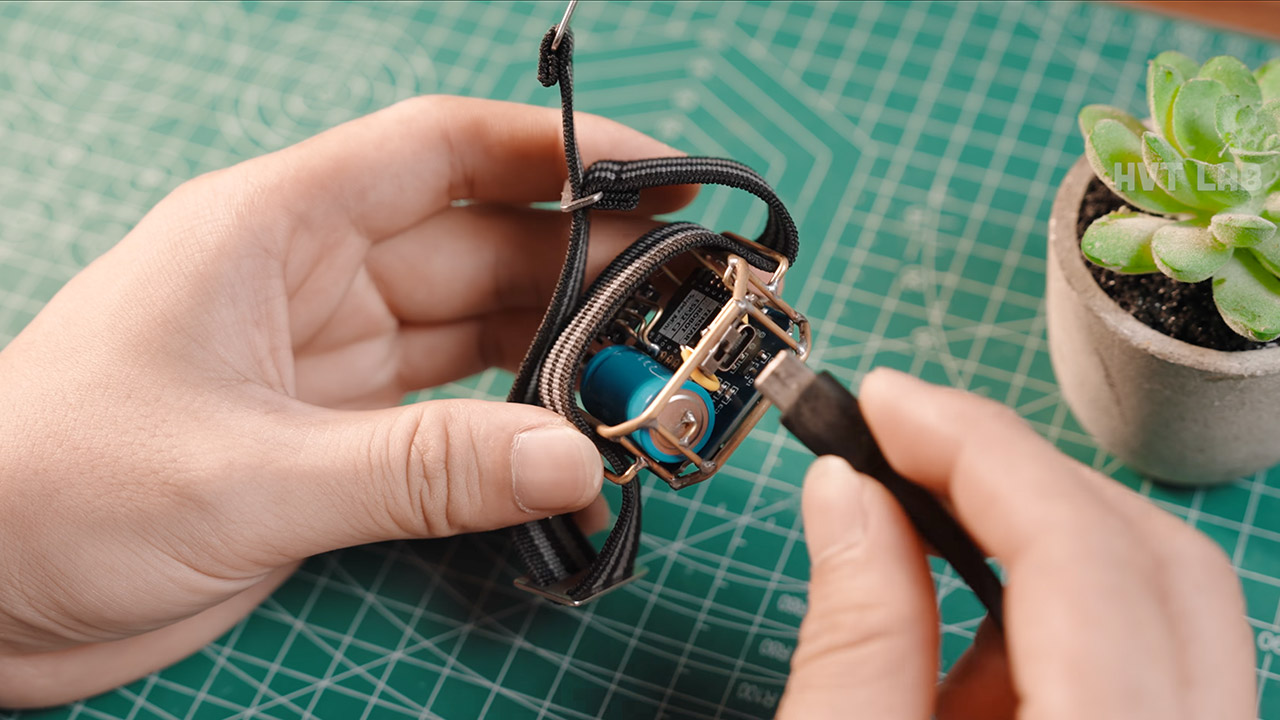
Before calling it a day, Vector loaded some open-source firmware onto the ESP32-C3, which began as Zak Kemble’s 2013 N|Watch project. That initial code ran on a chip that was a fraction of the size, with only 32 KB to work with, but on the ESP32-C3, the same foundation now drives a slew of watch faces, including some fairly interesting animated alternatives like RAIN and CLOCK, as well as some other entertaining ones like MATRIX and CUBE.
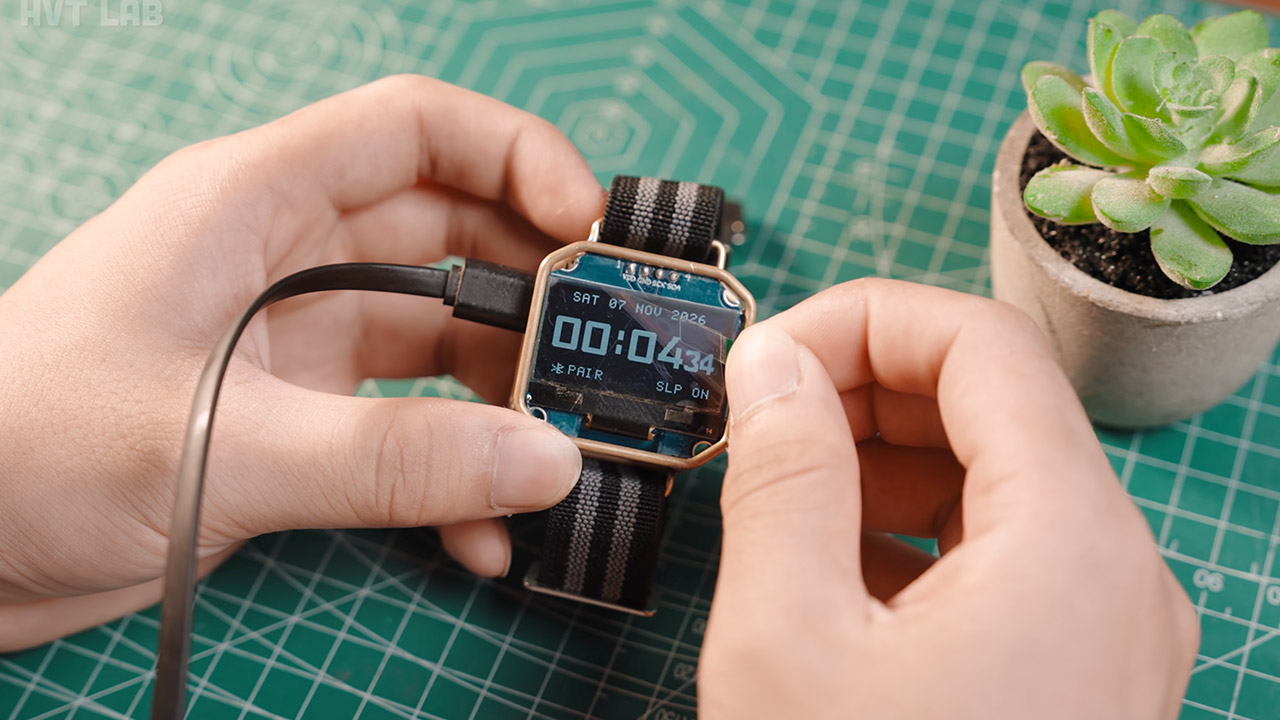
Bluetooth allows you to pair the watch with your phone, see the current time, and receive incoming call alerts and app notifications. Vector has given the whole wiring schematic, component list, source code, and a browser-based flashing tool on their website for anyone interested in following along and building their own. However, it does require some patience and precise soldering.
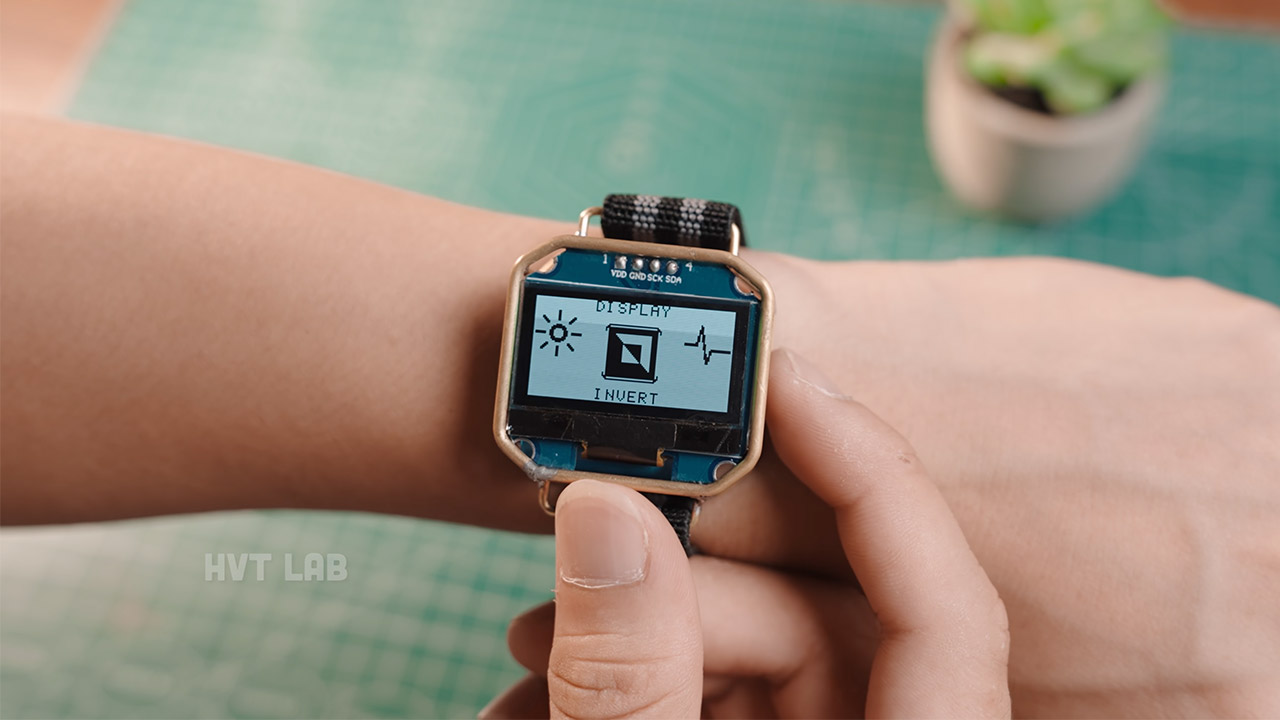
In terms of cost, all of the electronic components can be purchased for ten dollars or less. The most expensive part will most likely be the brass tubing, but the final result will be a watch that can tell the time and keep you updated on phone alerts without the need for a fancy sealed commercial shell.
[Source]
HVT Lab Handcrafts a Working Smartwatch From Brass Tubing and Everyday Electronics
#HVT #Lab #Handcrafts #Working #Smartwatch #Brass #Tubing #Everyday #Electronics