Inside the Fifa power struggle – and one last game-changer that could defeat Infantino

Want to bookmark your favourite articles and stories to read or reference later? Start your Independent Membership today.
Already a member?
Log in
Uefa’s statements may have claimed “unanimous” support for Philippe Diallo as a Fifa presidential candidate from their members, but there isn’t quite such a united front in private. Some national associations, and other stakeholders, believe no one should have been entered so as to delegitimise the entire process.
Instead, Diallo, the president of the French federation, may be facing up to a landslide defeat to Gianni Infantino.“He doesn’t stand a chance,” The Independent was told by one figure who ostensibly backed him.
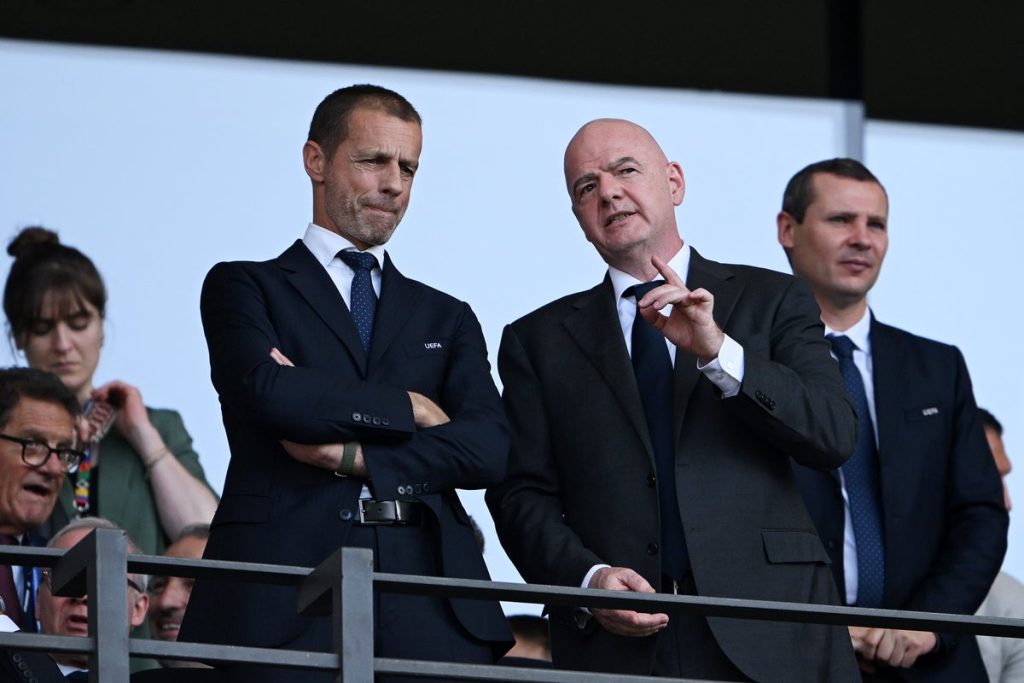
There is one big “if”. Things could perhaps change for Diallo or respected Japanese candidate Kozo Tashima if a big calculation from Uefa president Aleksander Ceferin pays off. There is at least some possibility that their legal action, or four months of political pressure from the Democrats winning the House and scrutinising all of Donald Trump’s connections, may create problems for Infantino. Or, at least, voter doubt. As one insider said, “we’re counting on this – it could be a game-changer.”
As it is, the incumbent Fifa president has weathered an awful lot. In any normal politics, the World Cup privatisation disgrace would have been enough to finish someone. In football, the patronage system has ensured Infantino has instead gathered strength as time has passed. This is why it’s always been so difficult to oust an incumbent. They still oversee how the Fifa money is distributed, no matter the noise.
One effect of the summer’s crisis, in fact, has been to increase the money going to each country. That’s enough for most voters. There is even the estimation that between five and 20 European countries will end up voting for Infantino, out of the same dissatisfaction with Ceferin that sees them politically pressured into stances like “unanimously” backing Diallo. “The Fifa money stands above everything,” one executive says.
That’s precisely why some sources feel there should be no candidate at all. If Infantino actually beats someone, he will be newly emboldened by a new mandate.
Either way, Uefa’s response wasn’t supposed to look like this. Arsene Wenger was long expected to be their “superstar” candidate, and sources say Emmanuel Macron was even involved in trying to convince him. The wait went on for weeks. Some federation heads have been stunned that Wenger didn’t stand. They felt he might want to end his own association with Infantino by running against him.
At 77, though, it didn’t suit. Wenger probably wouldn’t want a heavy defeat to Infantino on his legacy, as has been the case with other prospective candidates. Zlatan Ibrahimovic’s name was even floated. Amid the prospect of other candidates Uefa wouldn’t want, they felt they had to pick someone.
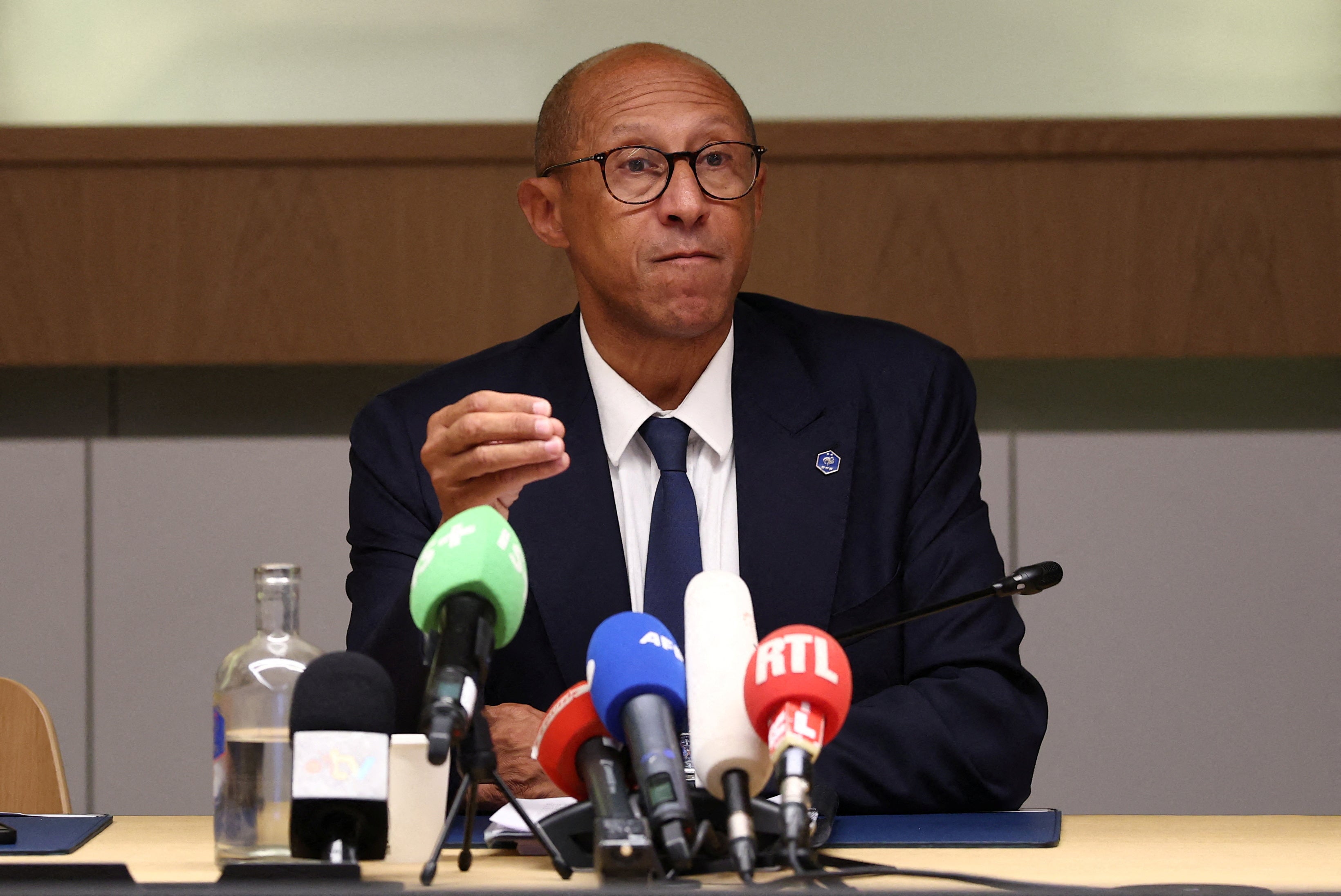
So, they are left with one repeatedly described to the Independent as “a nobody”. Others insist Diallo is “a proper politician”, that can prise votes from Francophone Africa… but it does sound like rationalisation after the fact. As one high-profile football executive bluntly put of the whole Uefa strategy, “it’s a disaster”. And it may leave yet more fallout for the game.
As it is, Fifa are unlikely to come close to any proper reform. And that will ultimately be because Uefa has never come close to reform: Ceferin himself has too much power.
This is something that was often obscured in the understandable frenzy around the Fifa Forward Enterprise crisis. Uefa were insisting it was actually about Fifa as a body, but that should have been extended to them. The same debates about Infantino exceeding term limits can be applied to Ceferin. The same debates about an undemocratic patronage system exist in Uefa, too.
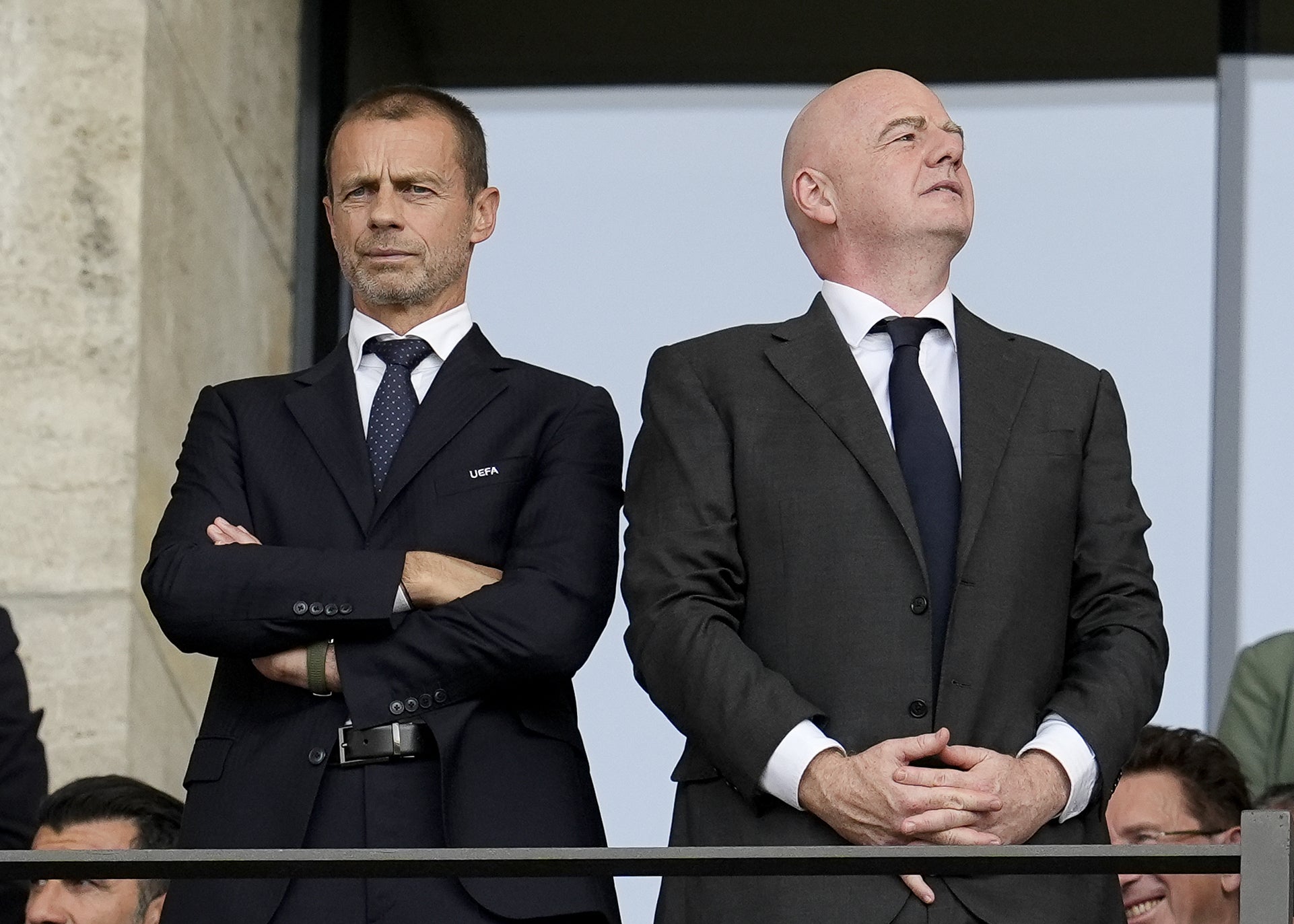
Uefa and Fifa are a mirror of each other, right up to questions about how the Champions League is now being run under a new commercial body with European Football Clubs (EFC). And for all that Uefa insist this isn’t “personal”, the Slovenian’s acrimonious relationship with Infantino is well known, to the point he has led this resistance. Ceferin has already been known to use unfavourable comparisons to Infantino’s idea to – somewhat disrespectfully – disparage people in meetings. There, he’s also seen as an increasingly abrasive and even “rude” figure.
Sources talk of how the intense scrutiny on Infantino has actually emboldened him further. That comes in a situation where Ceferin is increasingly surrounded by “yes men”, since anyone who goes against him is cut out.
Different voices might have offered alternative counsel in this fight. Instead, so much has been anchored to Ceferin’s own approach, when many would say long-term strategy isn’t where he is strongest. Others would add that feel for the game isn’t where he’s strongest either. One experienced source describes him as “the weakest link in the power chain”.
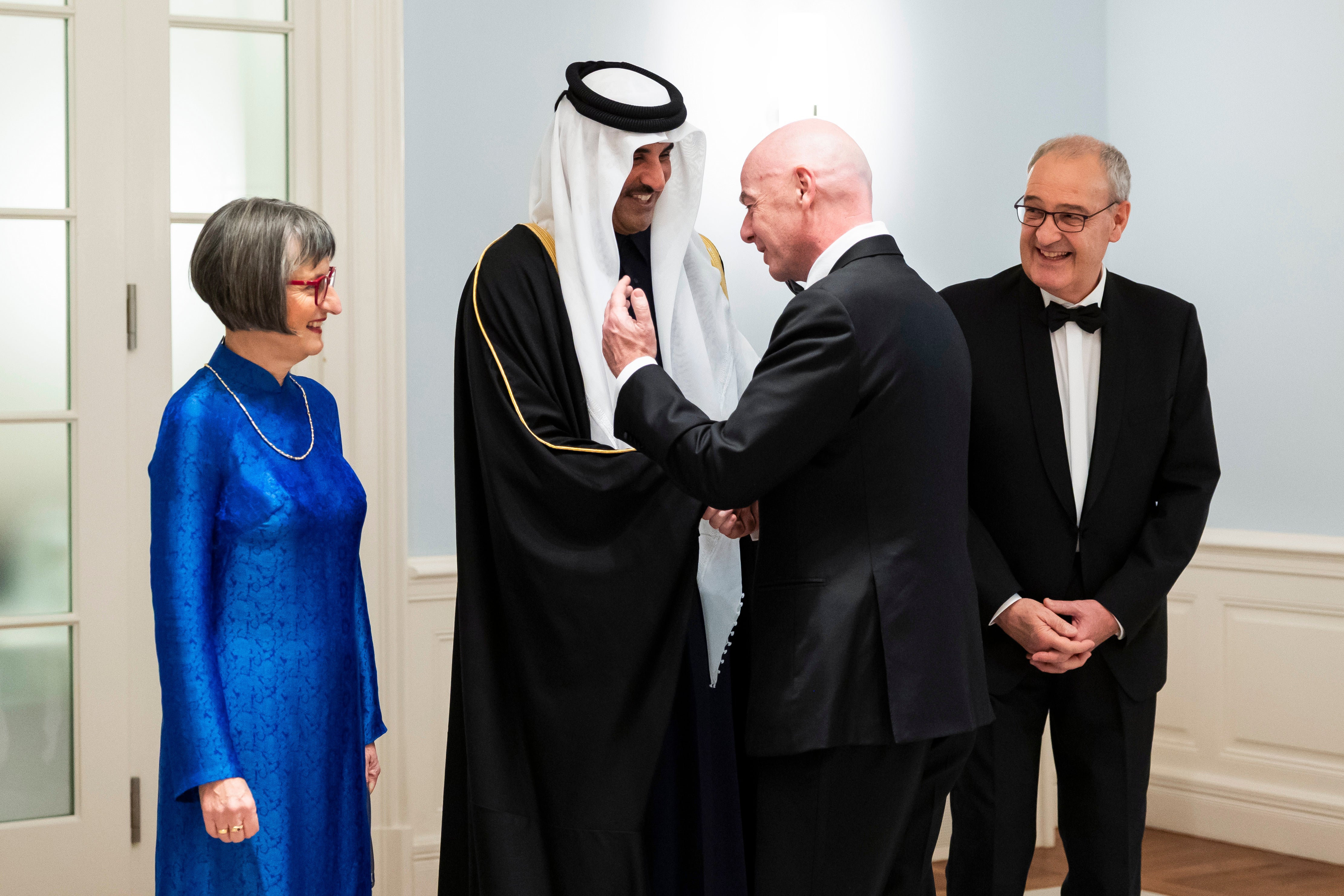
And there is now the possibility that all of this will leave Ceferin blindsided from two different angles. On one side, Infantino may end up winning comfortably. On the other, there’s a risk to what Uefa are. A third key figure in football right now is Nasser Al Khelaifi, Paris Saint-Germain president and chair of EFC. The Qatari was even cast as a challenger to Infantino himself, but The Independent has previously reported how the Emir of Qatar did not want this. The state may end up with a lot of influence anyway.
These pages have frequently reported how Al Khelaifi has a very close relationship with Ceferin, that is reflected in how the Champions League is now run. A memorandum of understanding between the two bodies has this week been the subject of a legal complaint from the Union of European Clubs (UEC) over the formation of a monopoly, that has entrenched the power of the big clubs. How the European Commission responds could have considerable repercussions.
This was all as commissioner Glenn Micallef himself set out a new model of European sport, which is supposed to encourage the idea of football clubs from anywhere being able to compete. It’s been a big week in football politics.
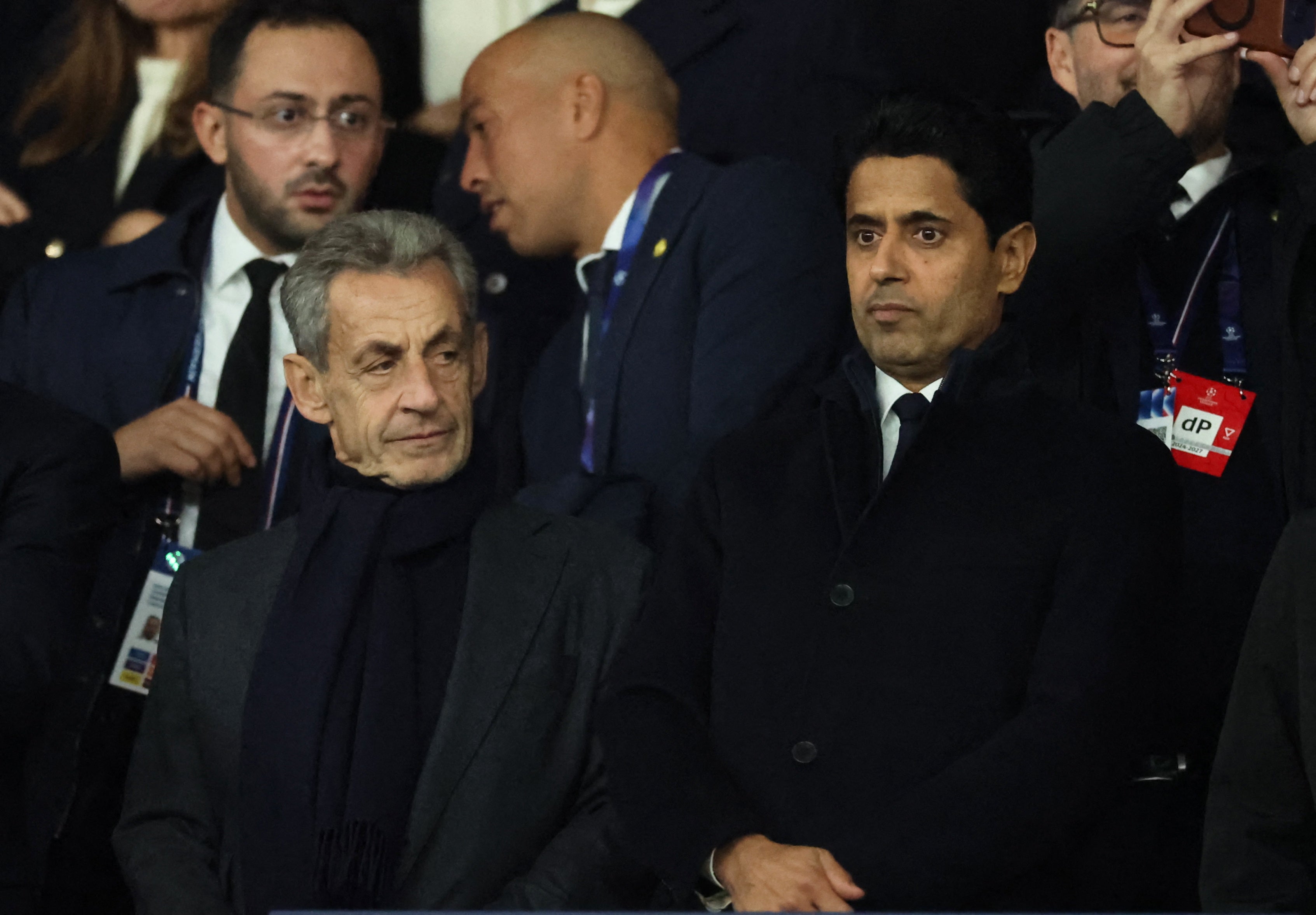
The friendship with Al Khelaifi is meanwhile seen as going deeper than that with former Juventus president Andrea Agnelli, who made Ceferin godfather to one of his children. They don’t speak any more, after Ceferin was somehow blinded to the Super League that Agnelli spearheaded.
And what is the current talk in the club game? Al Khelaifi himself announced that “now is the time to create World Football Clubs”, extending the EFC, in the same week that most were preoccupied with the Manchester City scandal. The EFC would dispute this but that is widely seen as a first step to a similar memorandum with Infantino’s Fifa, and eventually the creation of global competitions that could feasibly be challengers to the Champions League.
Except, this time, they wouldn’t be breakaways. They’d be fully institutionalised, because of these same politics over a longer period. What’s more, Uefa might end up indirectly funding a body that ends up affecting its power. Al Khelaifi, whose ultimate responsibility is to the Emir, is viewed as “playing all sides” in a way that is consistent with Qatari state strategy. As LaLiga president Javier Tebas said at the UEC’s general assembly in Brussels this week, “he doesn’t trick me”.
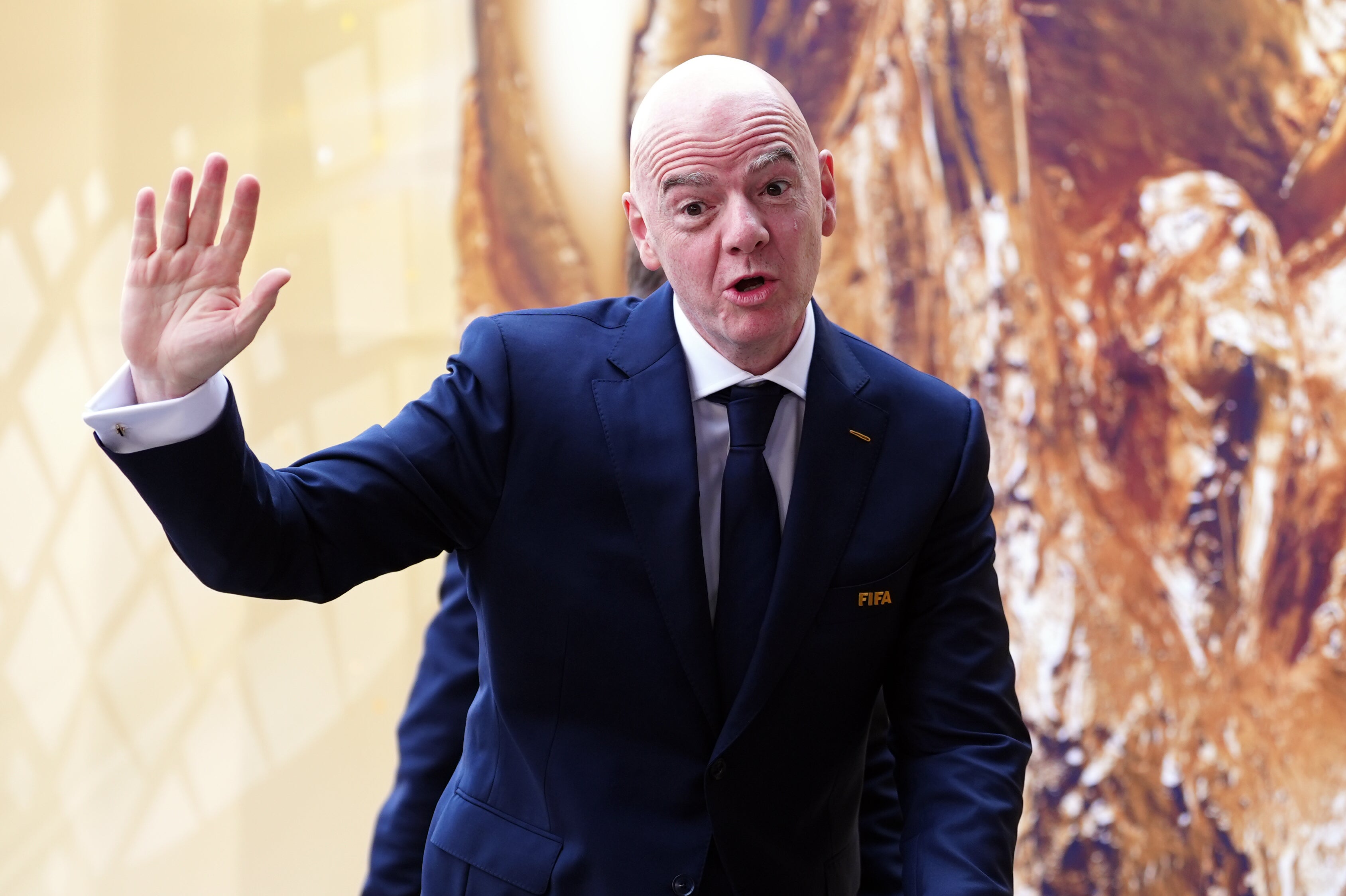
Again, various figures involved would absolutely dispute these interpretations. Others insist it’s all consistent with the lack of strategy that has left Uefa with this situation. They had four months to prepare but time has instead been an ally of Infantino.
One view is that they should have forced a Fifa Council meeting when Infantino was most vulnerable. Others maintain that change at Fifa is only ever coming through the courts. Uefa, ironically, may end up facing a similar situation. Then, again, it’s all the same problem.