Fascinating Look Inside America’s Only Intact Titan II Missile Silo Complex
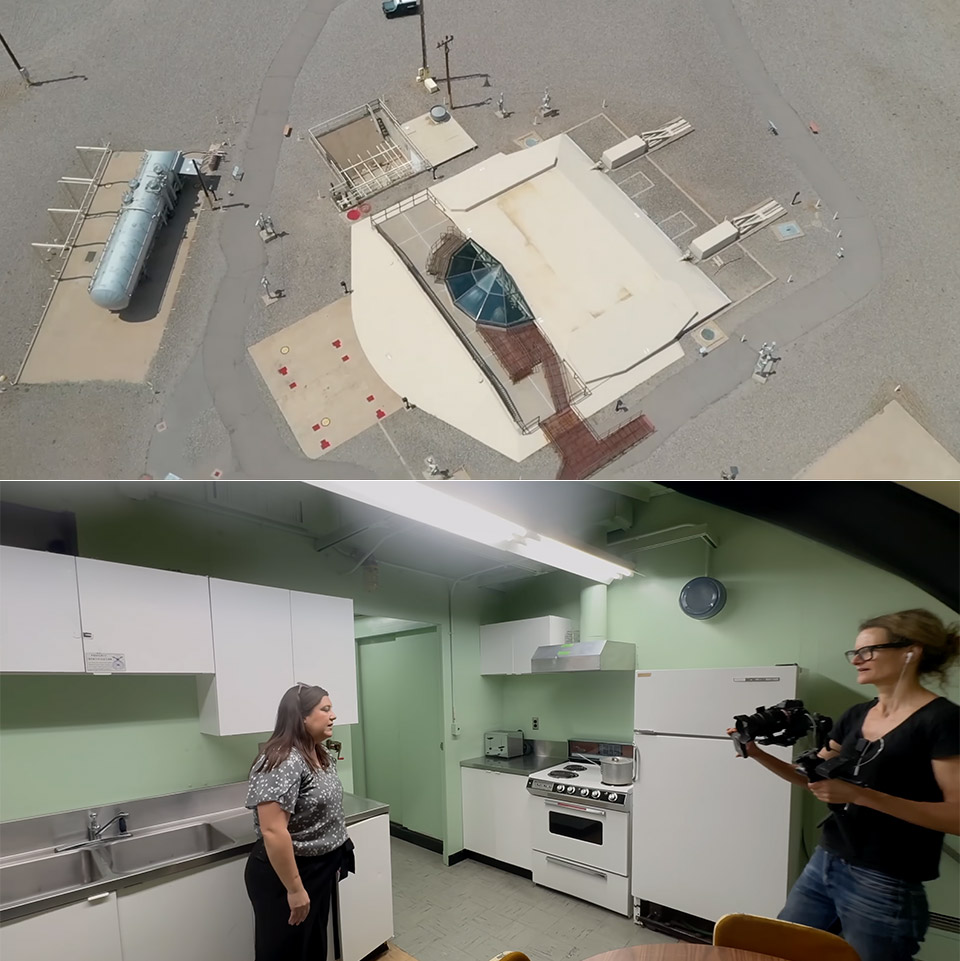
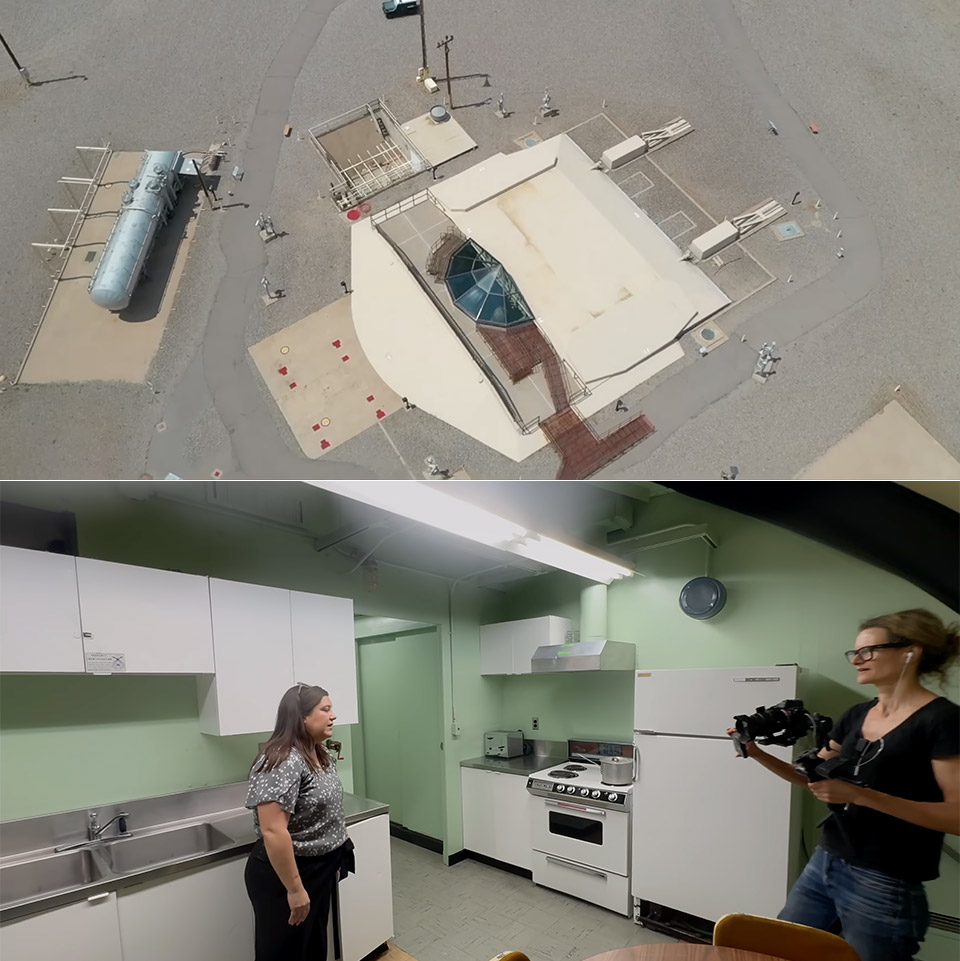
South of Tucson, in a stretch of Arizona desert that looks like any other patch of scrub and sun, a plain concrete entrance leads straight down into one of the most complete remnants of the Cold War. This is Complex 571-7, the single surviving Titan II missile site preserved exactly as it stood when the last crews walked out in 1987. Everything else from the original fifty-four sites was destroyed or buried. Here the underground command center and the missile itself remain untouched.
The descent begins at ground level and lowers approximately thirty five feet through a reinforced gateway. We’re talking about gigantic blast doors, each weighing several tons, that can seal the facility in an instant. They were designed to endure a nuclear strike anyplace nearby, including the shock, heat, and fallout. As you pass them, the air changes, as if you’ve stepped into another world. The temperature remains constant throughout the year, and the stillness is so terrible that it feels like it weighs ten times more than a typical basement.

LEGO Architecture New York City – The Big Apple Building Set for Adults, Ages 18+ – Decor for Bedroom…
- THE CITY THAT NEVER SLEEPS – Construct the ultimate souvenir with the LEGO Architecture New York City – The Big Apple (21066) building set for…
- CREATE 6 ICONIC LANDMARKS – Builders can create six NYC architectural icons in minimalist white, including the Brooklyn Bridge, Empire State…
- DISCOVER HIDDEN DETAILS – As they construct their city skyline, builders can discover details that are uniquely New York, such as yellow taxi cabs…
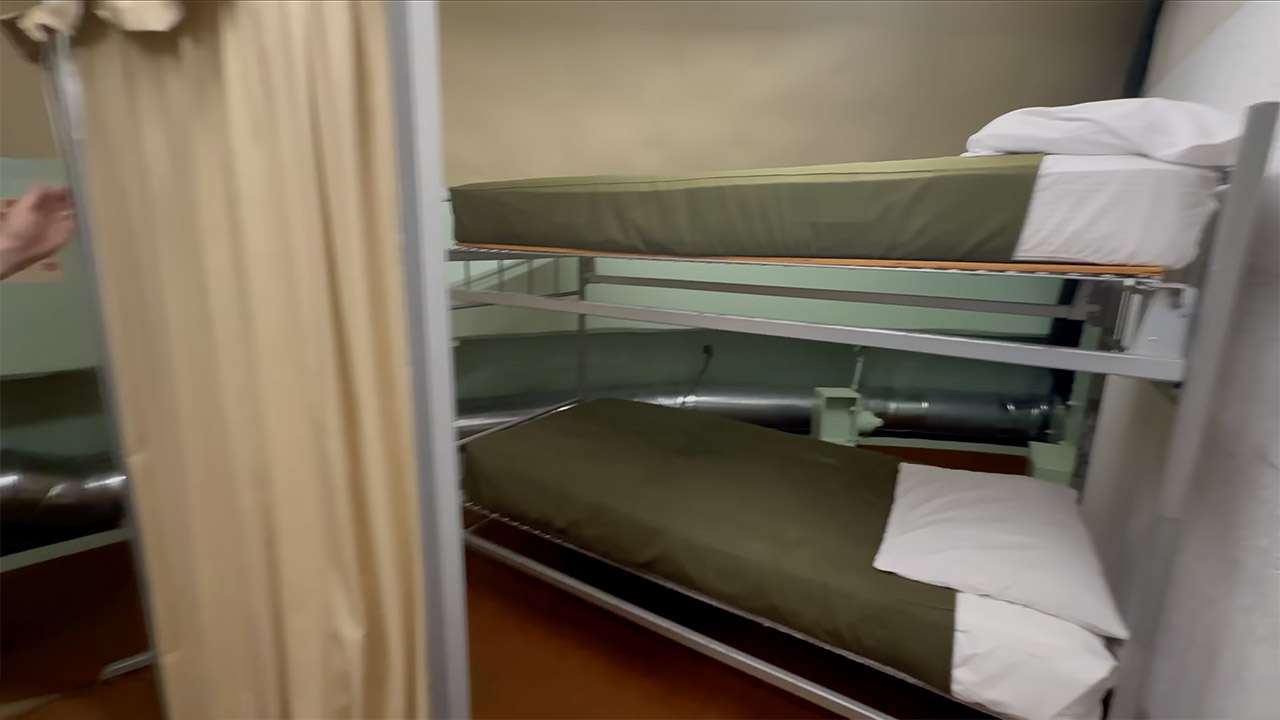
This self-contained three-story steel and concrete rig serves as the command center. Four individuals lived and worked here when there were 24-hour alerts. The dwelling quarters were located on the ground floor. There is a row of bunks for when the crew takes a break between shifts. Next to that is a small kitchen outfitted with metal cupboards and basic appliances similar to those found in an average 1960s American home. A little table and a couch chair complete the setup. Meals were prepared upstairs and then carried down because two guys had to stay on the lower level to keep an eye on things. It was simple and unpretentious, but it made sense for folks who could have been stuck down there for days.
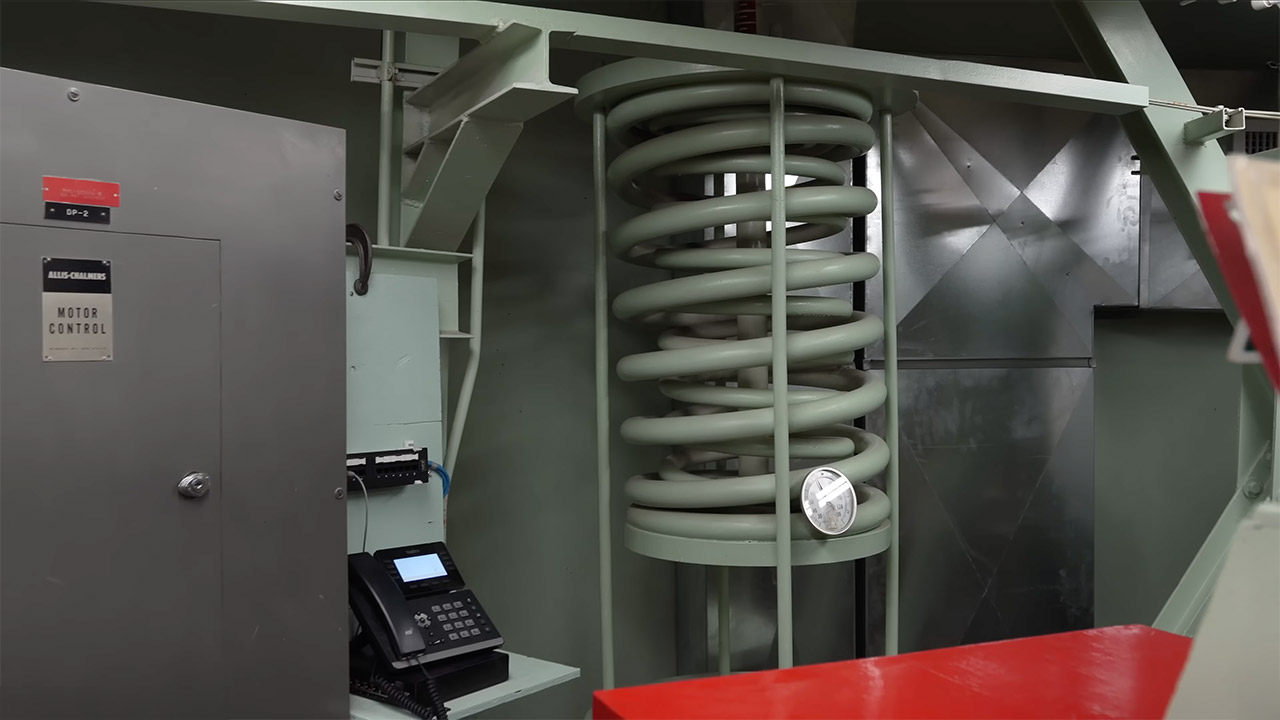
Moving down, the second level housed the operations hub. Consoles and rows of equipment filled the entire area. The officers would monitor missile status, communications, and security from above. Everything was analog, based on what was available at the time, with sequencing technology that employed punch cards and mechanical timers. Every button and indicator has a reason for being present. The area was constructed so that the crew could go through all of the launch procedures without ever needing to surface.
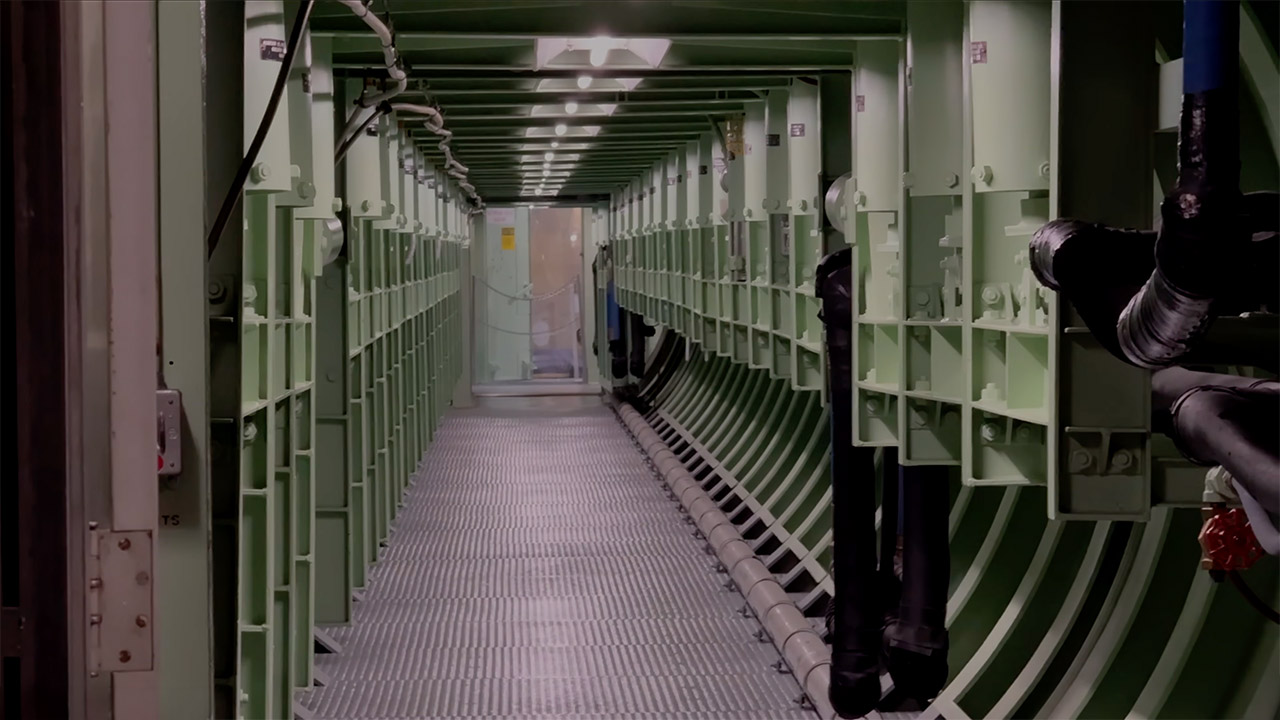
Next, there’s a long tunnel that connects the command center to the missile silo. Even walking it now takes a few minutes. Back then, it must have been a long journey because the tunnel carried power, data, and staff between the two structures. At the further end, it opens into the silo. The Titan II missile, one hundred and three feet tall, remains perched in its launch position. I’m talking huge, since the surrounding concrete walls rise over one hundred forty feet. There are access platforms and equipment distributed around the area. That one missile carried a warhead that was far more devastating than the ones launched on Japan in 1945.
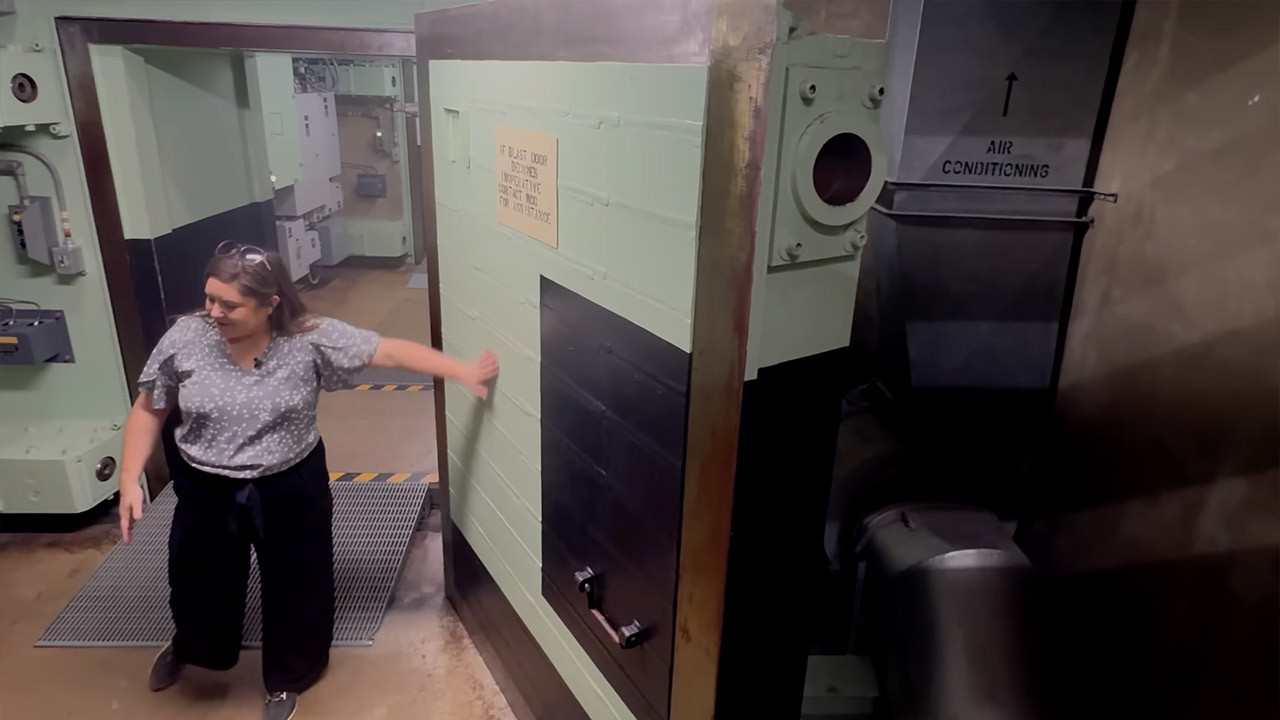
Engineers had designed the entire complex with independent systems so that it could function even if it were cut off from the rest of the world. The complex was self-sufficient due to a diesel generator that provided power throughout, as well as air filtration systems and water storage that could keep the crew going during extended periods of isolation… and some seriously necessary upgrades to protect sensitive equipment, such as shock-absorbing mounts to prevent damage. Then there was the strong reinforced concrete and various blast doors, which formed layers of security to keep the personnel and vital equipment secure from any attacks. The fundamental mission was simple: maintain the crew alive and able to take commands and carry them out regardless of what was going on above.
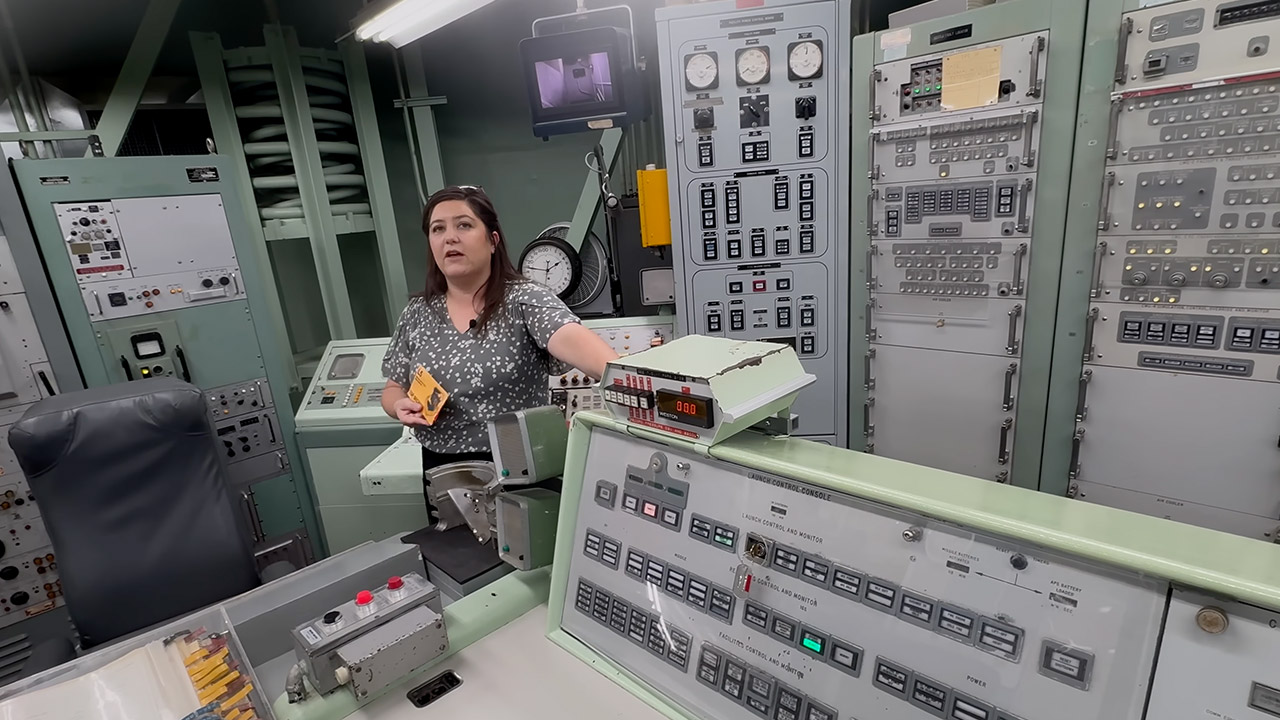
Life in the underground bunker followed a very tight sched. Crews took turns staying at their positions for alerts, with a couple of people riveted to the consoles while the others rested, ate, or performed necessary repairs. The living quarters, kitchen, bunks, and tiny communal rooms were really merely tools to help the workers prepare to launch at a moment’s notice, much like the launch equipment a whole level below.
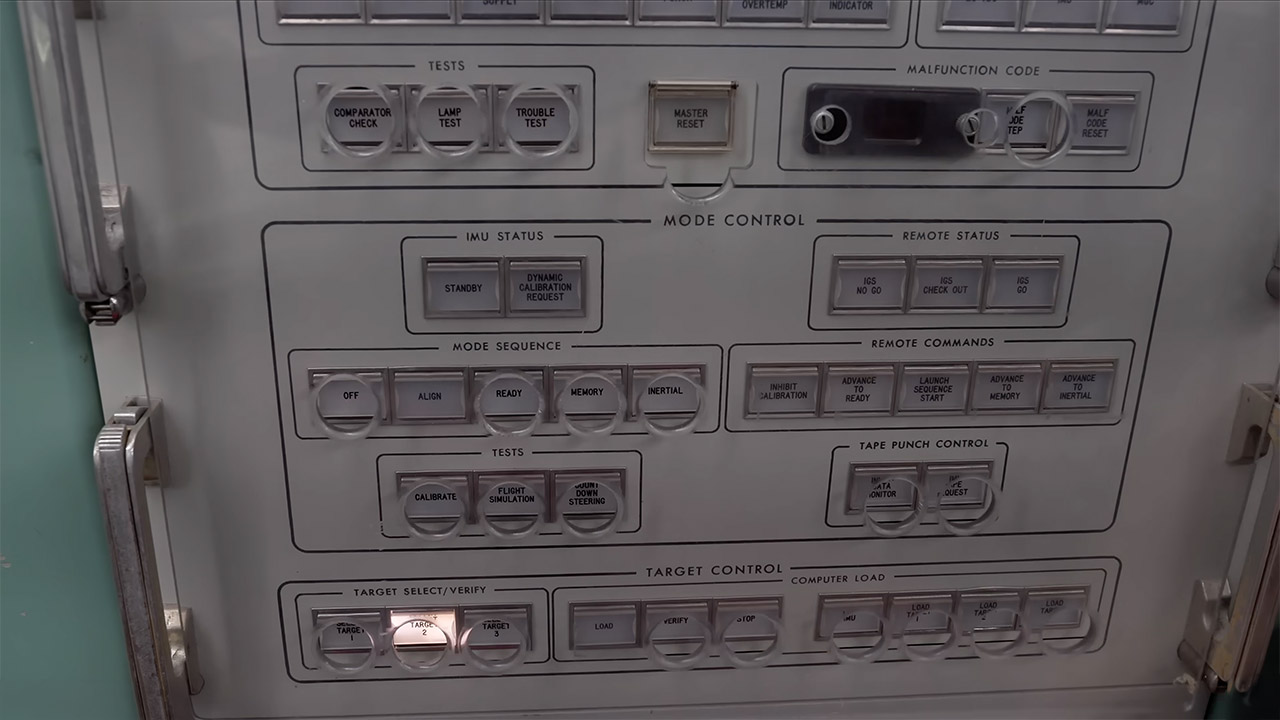
The majority of the installations were demolished in accordance with arms-control agreements once the Titan II program ended. However, veterans of the 390th Strategic Missile Wing refused to let the final remaining site be demolished. So they teamed up with the Arizona Aerospace Foundation to keep Complex 571-7 intact. Today, it serves as the Titan Missile Museum. Visitors are taken on guided tours that follow the same route as the original crews: down to the command center, down the tunnel, and alongside the real missile. They even get to participate in a simulated launch sequence in the control room to get a sense of what those operations sounded like.
Fascinating Look Inside America’s Only Intact Titan II Missile Silo Complex
#Fascinating #Americas #Intact #Titan #Missile #Silo #Complex