Sony’s PlayStation PUGA Prototype Crammed a PS1 Inside a DualShock Controller and They Almost Brought It to Market
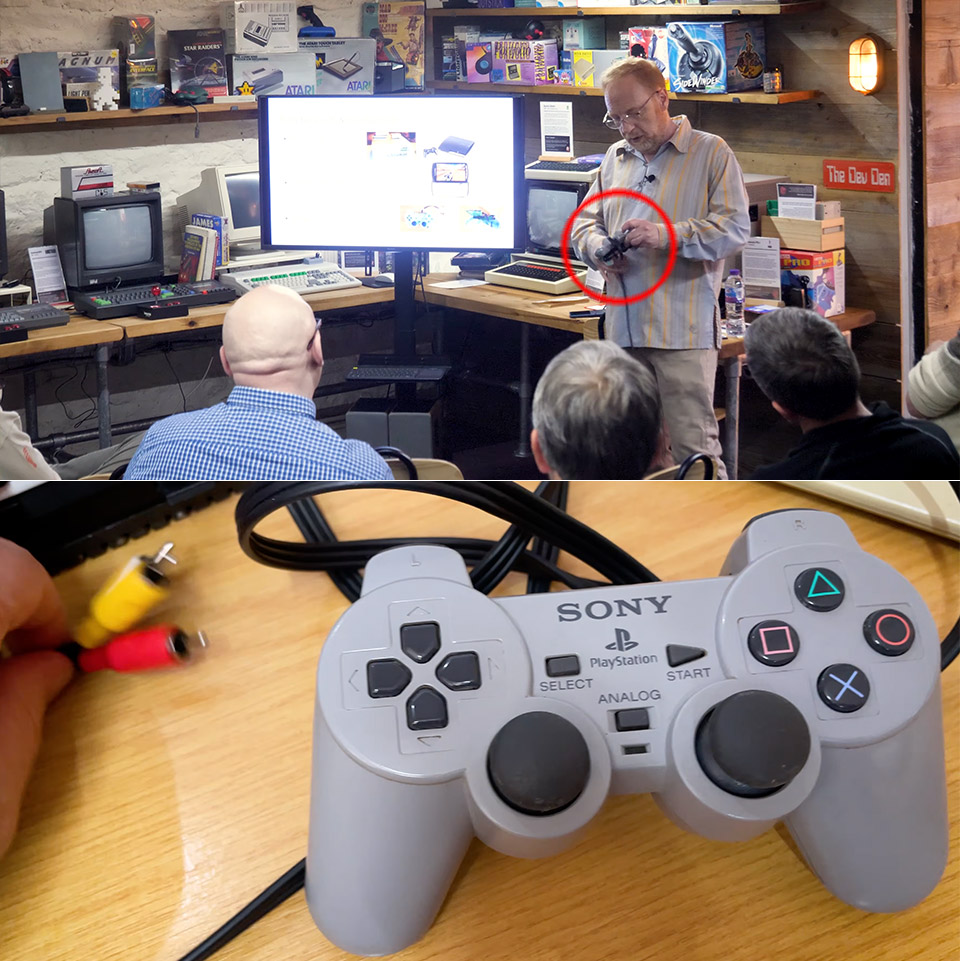
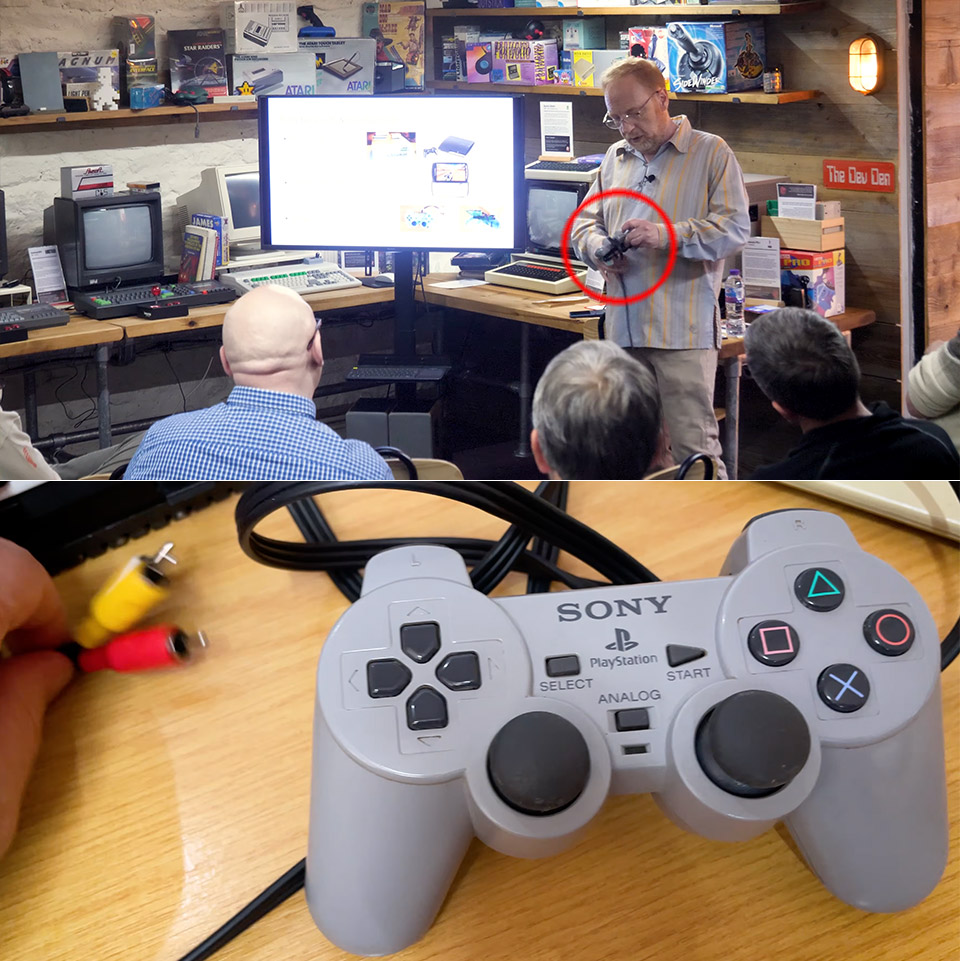
Brian Watson has worked in games for more than four decades. He started at DMA Design on classics like Lemmings and later spent time at Sony on projects that included emulation work. During a talk at The Retro Collective museum in the United Kingdom, he brought along a prototype controller most people had never heard of and showed it to the room.
Watson lifted what appeared to be a regular gray DualShock controller. Composite video wires extended from the base. The design and buttons mirrored the popular PlayStation configuration, however this controller didn’t require a separate console to function. Sony assigned the project the internal name PlayStation PUGA. The gadget was aimed at Brazil, where import regulations and fees made official consoles difficult to obtain through traditional methods. Many units were only delivered to customers via backdoor channels. Local manufacturing within the country provided one way to change the situation.

PlayStation®5 console – 1TB
- PlayStation 5 Console – 1TB, includes wireless controller, 1TBSSD, Disc Drive, 2 Horizontal Stand Feet, HDMI cable, AC power cord, USB cable, printed…
- 1TB of Storage, keep your favorite games ready and waiting for you to jump in and play
- Ultra-High Speed SSD, maximize you play sessions with near instant load times for installed PS5 games
Engineers incorporated the necessary hardware into the controller shell itself. A TI OMAP 3530 system-on-a-chip with an ARM processor running at around 650 megahertz handled the work via software emulation. Four AA batteries provided up to twenty hours of gameplay in tests. A 4GB storage card held around ten games that were ready to launch. Users used a composite cable to connect the controller directly to the television. No extra box sat beneath the screen. The arrangement functioned as a self-contained machine that supplied original PlayStation games in a format that no one had seen from Sony previously.
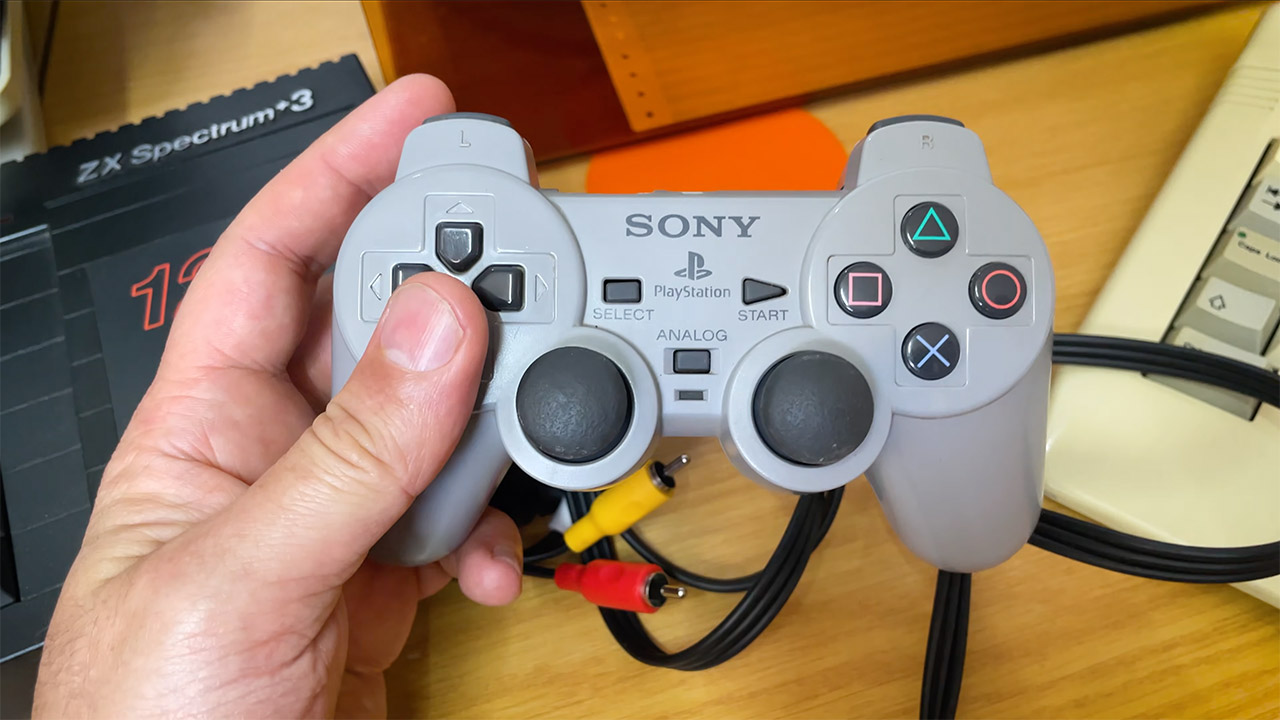
Watson characterized the prototype as working smoothly while development progressed. Because the entire software package is missing, the current example he showed remains in debug mode. Nevertheless, the hardware indicated that the notion was feasible. To avoid import constraints, plans were to produce within Brazil. The price point was kept low on purpose. That option influenced all subsequent content decisions.
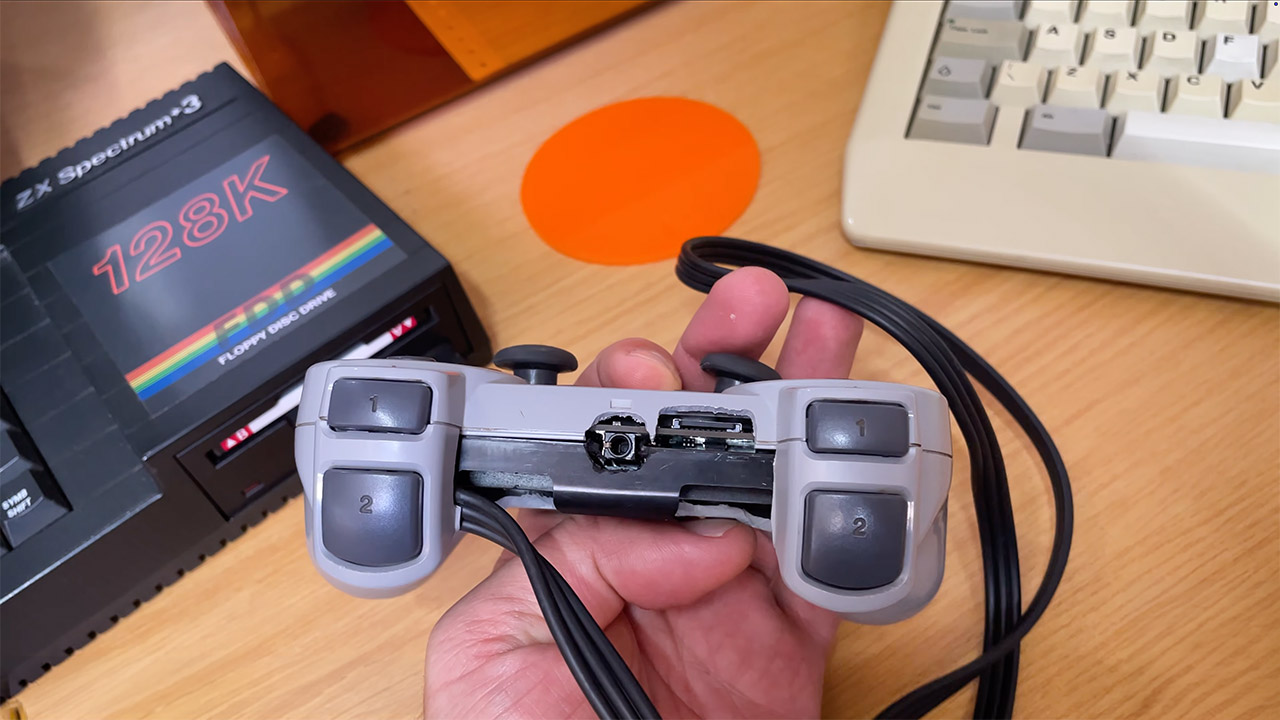
Licensing negotiations failed before the device could ship. During his presentation, Watson described the underlying issue in layman’s words: Sony licensing was unable to agree on game royalty conditions. Third-party publishers requested payments that did not match the planned selling price. Even internal Sony divisions found it difficult to reach an agreement on group separation. The offer to gaming studios was around 10 cents per copy sold. That figure proved too low to attract partners. Without a confirmed library of titles, the project was unable to continue.
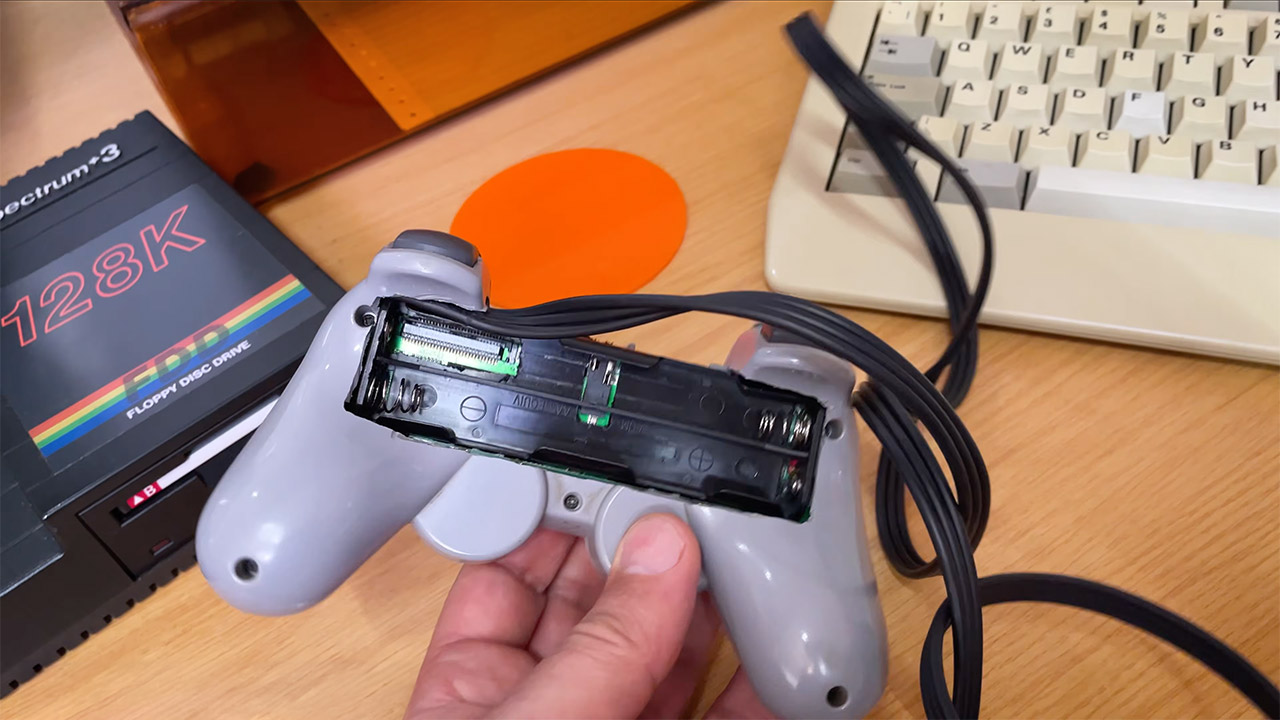
According to Watson, the cancellation hit him so hard that he nearly left Sony. The engineering side has overcome its challenges. The business side hadn’t. Some of the emulation work associated with the PUGA effort later supported other Sony products. The Xperia Play phone uses comparable technology to bring classic games on a device with physical controls.
Sony’s PlayStation PUGA Prototype Crammed a PS1 Inside a DualShock Controller and They Almost Brought It to Market
#Sonys #PlayStation #PUGA #Prototype #Crammed #PS1 #DualShock #Controller #Brought #Market