Ebola survivor exposes horrifying reality of killer disease as WHO declares emergency
A US doctor who survived Ebola has described the disease as “terrible, humiliating and devastatingly painful” as the WHO declares the new Congo outbreak an international public health emergency

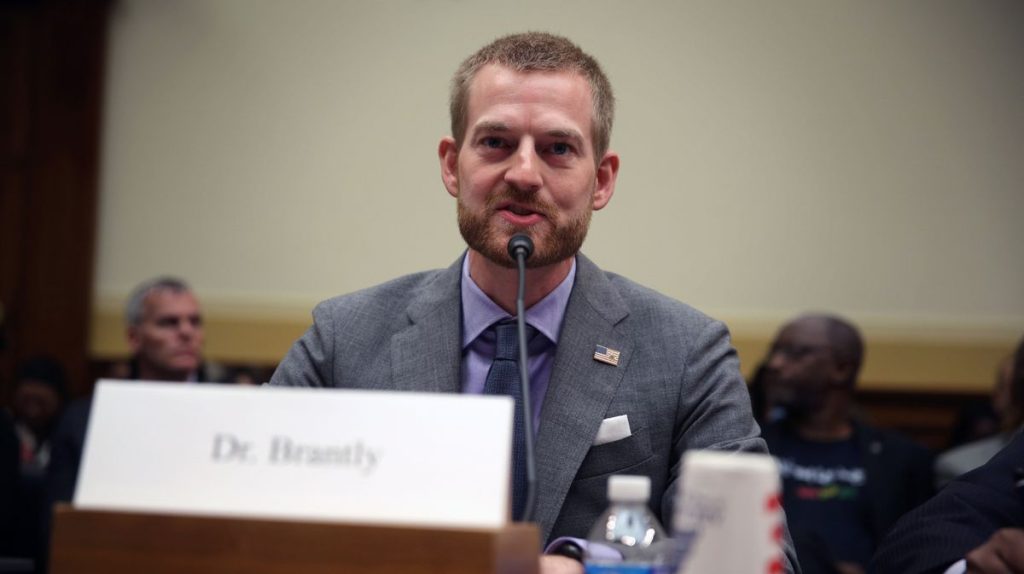
Dr Brantly contracted the Ebola virus in summer 2014(Image: Getty Images)
In its initial phases, Ebola can be easily confused with other, less fatal illnesses. Patients suffer from high temperatures and muscle aches typical of severe influenza, while the profound exhaustion and frailty that plague Ebola sufferers can occasionally be confused with malaria.
However, as the viral burden escalates, the condition can trigger vomiting and severe abdominal cramps, alongside the uncontrolled haemorrhaging for which Ebola is notorious. At least 40 outbreaks have been recorded since the disease first appeared in 1976, after seemingly jumping from Congo’s bat population.
The World Health Organisation (WHO) has now declared the fresh Ebola outbreak in the Democratic Republic of Congo a public health emergency of international concern. Around 246 suspected cases have been documented thus far, leading to 80 confirmed fatalities.
The WHO states that the virus has extended beyond the Democratic Republic of Congo, with two verified cases reported in neighbouring Uganda. Ugandan authorities have confirmed one death from the disease to date.
American physician Kent Brantly contracted Ebola while treating patients in Liberia, and has outlined the absolute terror that victims endure. “It is a terrible, humiliating, devastatingly painful disease,” he told the Ottawa Citizen. Dr Brantly explained that, due to Ebola’s highly contagious nature, all the medical staff involved in his case had to don full PPE at all times, which he described as a form of torture. He explained: “The only thing you can see are the eyes of your caregivers. That’s difficult not only physically, it’s also difficult psychologically.”
He went on to say that while solitary confinement for prisoners is widely regarded as inhumane, the isolation that Ebola patients are compelled to endure is a unique form of solitary confinement.
Approximately 50% of individuals who contract Ebola will not survive. Death typically results from shock due to fluid loss and usually occurs between 6 and 16 days after the onset of symptoms.
To date, there have been no known instances of the disease being transmitted through airborne particles such as coughs or sneezes in the 50-year history of Ebola.
The disease is spread via direct contact with bodily fluids, such as blood or – in some exceptionally severe cases – saliva. The virus is most commonly transmitted through blood, faeces and vomit.
After recovering from Ebola, survivors’ semen or breast milk can potentially remain infectious for several months. Bodies can continue to be infectious long after death.
Symptoms can take up to three weeks to manifest after initial exposure. Victims will first experience the sudden onset of a wide range of flu-like symptoms such as fatigue, fever, weakness, decreased appetite, muscle and joint pains, headache, and sore throat.
In approximately half of cases, patients may also develop a reddish skin rash featuring small bumps. The current variant of the deadly disease has no available vaccine and ongoing military conflict in the region has rendered containing its spread virtually impossible.
As is common with many diseases that jumped from other species, outbreaks can regularly emerge in areas experiencing deforestation that brings wildlife into closer proximity with humans. Following the original 1976 outbreak in The Democratic Republic of Congo, the virus has subsequently been detected in animals in locations as distant as Pennsylvania, Texas, and Italy, where it had infected pigs. In July 2019, the World Health Organisation declared the Congo Ebola outbreak a global health emergency.