Freeview switch-off plans update as Government statement on future for 16m homes
The government has issued a statement on plans that could see Freeview switched off for millions of households, with ministers yet to make a decision

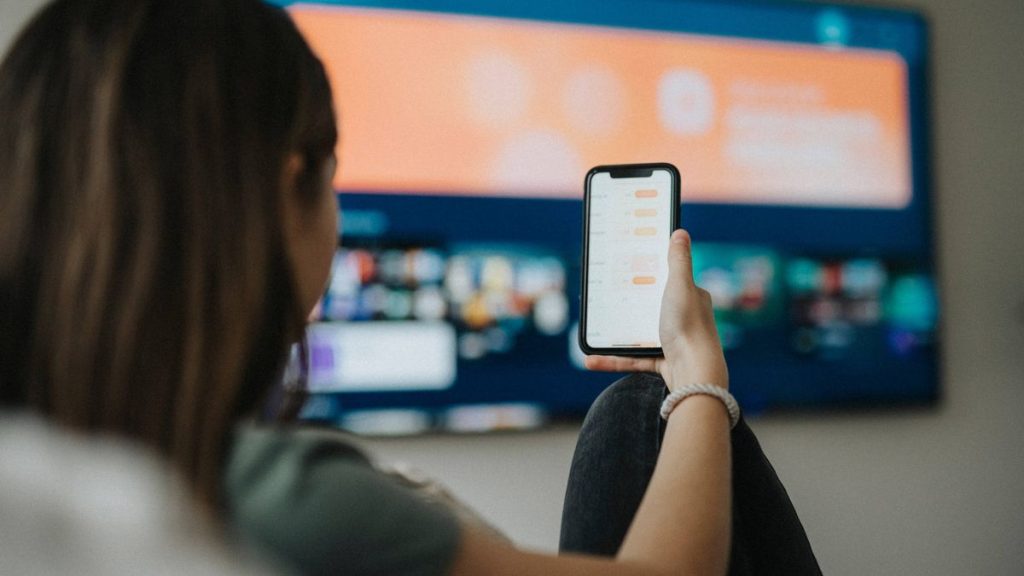
The government is considering proposals to turn terrestrial television off making it internet only – and not many people are aware of it(Image: Getty Images)
The Department for Culture Media and Sport has provided an update on proposals which could result in Freeview being switched off for millions of viewers. At present the government is examining plans to discontinue terrestrial television – possibly by 2034 – and transition it to digital – internet only.
This would compel millions of homes to rely solely on internet connections for television access. Worries have been expressed that individuals – particularly vulnerable groups including pensioners and those in countryside areas could be left isolated.
Recent polling shows that almost 7 in 10 UK residents are oblivious to the government’s consideration of shutting down conventional Freeview services.
The BBC has presented proposals to shut down digital terrestrial television (DTT, or Freeview) by 2034. Such a decision would require every UK home to obtain a high-speed broadband package or lose access to BBC content. For the first time, a subscription would be essential to view “free-to-air” UK television.
Research has suggestede that the cost of television watching could rise by £200 per year in high-speed broadband fees which has caused concern as it would impact for some of the UK’s most disadvantaged people. The Countryside Alliance has launched a survey to seek opinions from those living in rural locations.
Meanwhile, a petition on Change.Org has received tremendous support, collecting more than 147,000 signatures in recent weeks opposing the proposals. MPs have been submitting written questions to the Department for Culture, Media and Sport (DCMS) expressing concerns, and yesterday officials responded. Liberal Democrat Cameron Thomas posed a question to the Secretary of State for Culture, Media and Sport, Lisa Nandy: “What consideration has the Government given to extending Freeview as a service beyond 2034?”
Labour’s Peter Lamb queried: “What plans she has to update the current terrestrial TV/Freeview licences following the Consultation on the renewal of digital terrestrial television (DTT) multiplex licences.”
READ MORE: Freeview ‘to be switched off’ update as support soars after Government responseREAD MORE: TV ignores older people despite them being the people who watch it most
In response, Minister of State for Digital Government and Data Ian Murray stated that officials have not yet made a decision: “Following the consultation in 2021 on the renewal of digital terrestrial television (DTT) multiplex licences to which my honourable friend refers, Parliament legislated to secure the future of DTT until at least 2034. No decision has yet been made about the future of the DTT platform beyond this point.
“The Department for Culture, Media and Sport is leading a project to assess the future of digital terrestrial television (DTT), also known as Freeview, beyond 2034. The project is continuing to gather and evaluate evidence and the Government has made no decisions at this time. Before any decision is made close consideration will be given to how any changes would impact audiences.”
Countryside Alliance stated: “For many people living in rural communities, television is more than just entertainment: it is a vital lifeline for news, information, and connection – particularly for older residents or those who may feel isolated.”
“Most individuals remain oblivious that this decision is even under consideration. Nearly seven in 10 citizens are unaware the government is poised to determine Freeview’s future, according to one survey highlighted by the Big Issue.
“The BBC has proposed switching off Freeview (digital terrestrial television) by the mid-2030s. This means households would need a high-speed broadband subscription to access BBC channels, potentially costing them hundreds of pounds per year.
“While there has been progress in improving rural broadband, there are still areas where connectivity is unreliable or too slow to support streaming. Any move to an internet-only service before fast broadband is available to all rural households risks leaving communities behind.” People can respond to their survey here.
Ministers are weighing up whether to extend Freeview until the mid-2040s or shut it down completely in 2034, compelling millions of viewers to depend exclusively on the internet to watch television. A petition on Change.Org stated: “Terrestrial television, received through an aerial, often known as Freeview, is under serious threat of being scrapped. Within months the Government will decide whether to turn off terrestrial signals and rely solely on internet-based TV (IPTV) in the future.
“This would mean that every household would be forced to take out an expensive fixed broadband contract if they wished to continue watching their favourite TV programmes. “Radio reception and signals for emergency services could also be put at risk. Millions of older and disabled people, and those on low and modest incomes, would lose their essential access to TV to keep them in touch with the world and to prevent isolation and loneliness.
A spokesperson from the Future TV Taskforce, a group consisting of public service broadcasters and Everyone TV, has said: “The Taskforce supports a carefully planned, managed transition from digital terrestrial television (DTT) to internet‐delivered TV and a potential switch‐off in the mid‐2030s, as part of a broader, UK‐wide digital inclusion and transition plan.
“Done well, this approach can protect universal access to public service broadcasting; support innovation and investment across the TV sector; and deliver long‐term benefits for viewers and the UK economy. Above all, the Future TV Taskforce believes that the future of television should be inclusive, resilient, and designed around the needs of all audiences to ensure that everyone can continue to access trusted UK content as technology and viewing habits evolve.”
While 94% of households throughout the UK possess internet connectivity, such a shift could abandon hundreds of thousands of frequently vulnerable homes without television access, sparking demands for extra support mechanisms.
This issue was recently highlighted during a parliamentary discussion, where MPs emphasised that the Freeview platform confronts possible dangers, pressing ministers to protect it for the 16 million households depending upon it.
Freeview caters to 16 million homes nationwide, positioning itself as the principal television platform for 40% of households owning a television and the country’s biggest TV service. The service functions through traditional aerials.
During a Westminster Hall discussion, parliamentarians expressed considerable concerns about its future sustainability. They stressed that the licences supporting terrestrial broadcasting are due to expire in 2034, with no government pledge yet secured to renew them, potentially making television available exclusively through internet connections.
The petition can be viewed and signed here. Respond to the Countryside Alliance survey here.