This Yellow Liquid Turns Into a Black Gel to Store Energy for Months
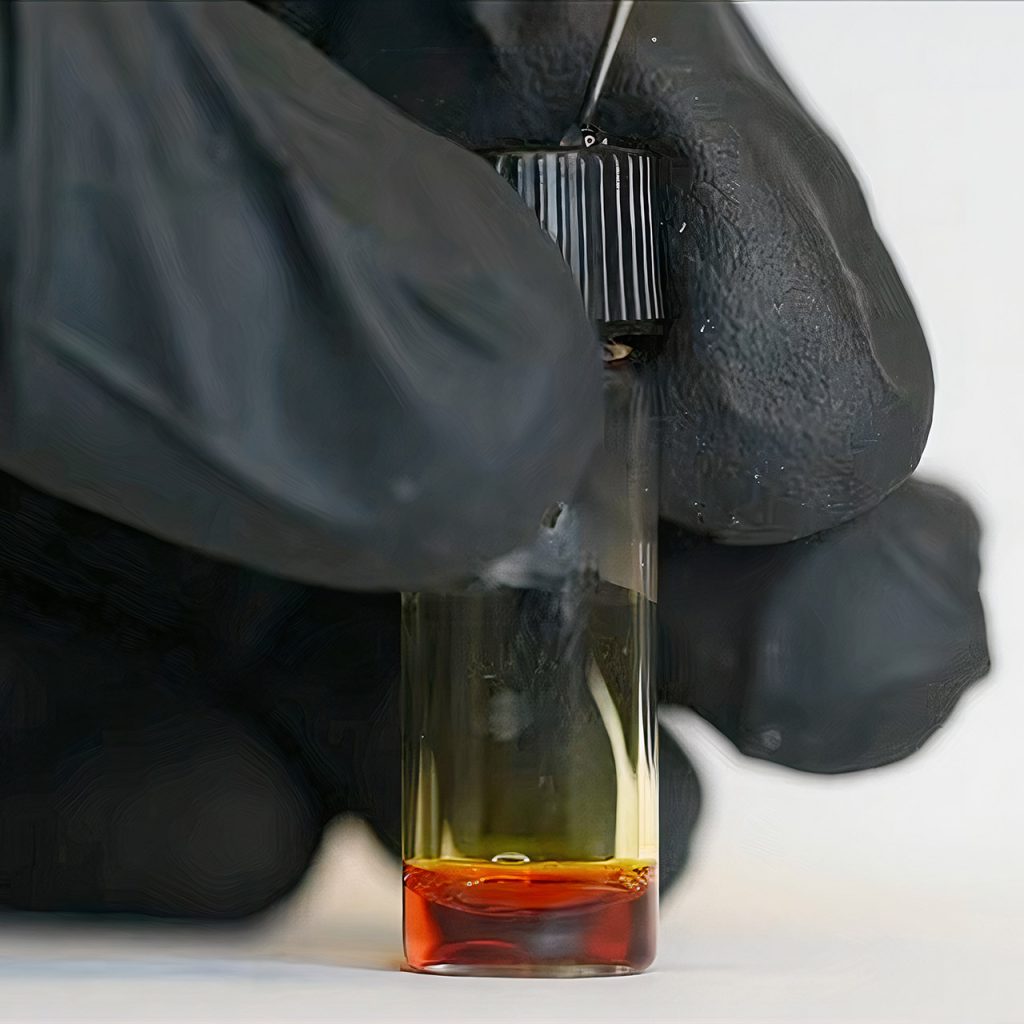
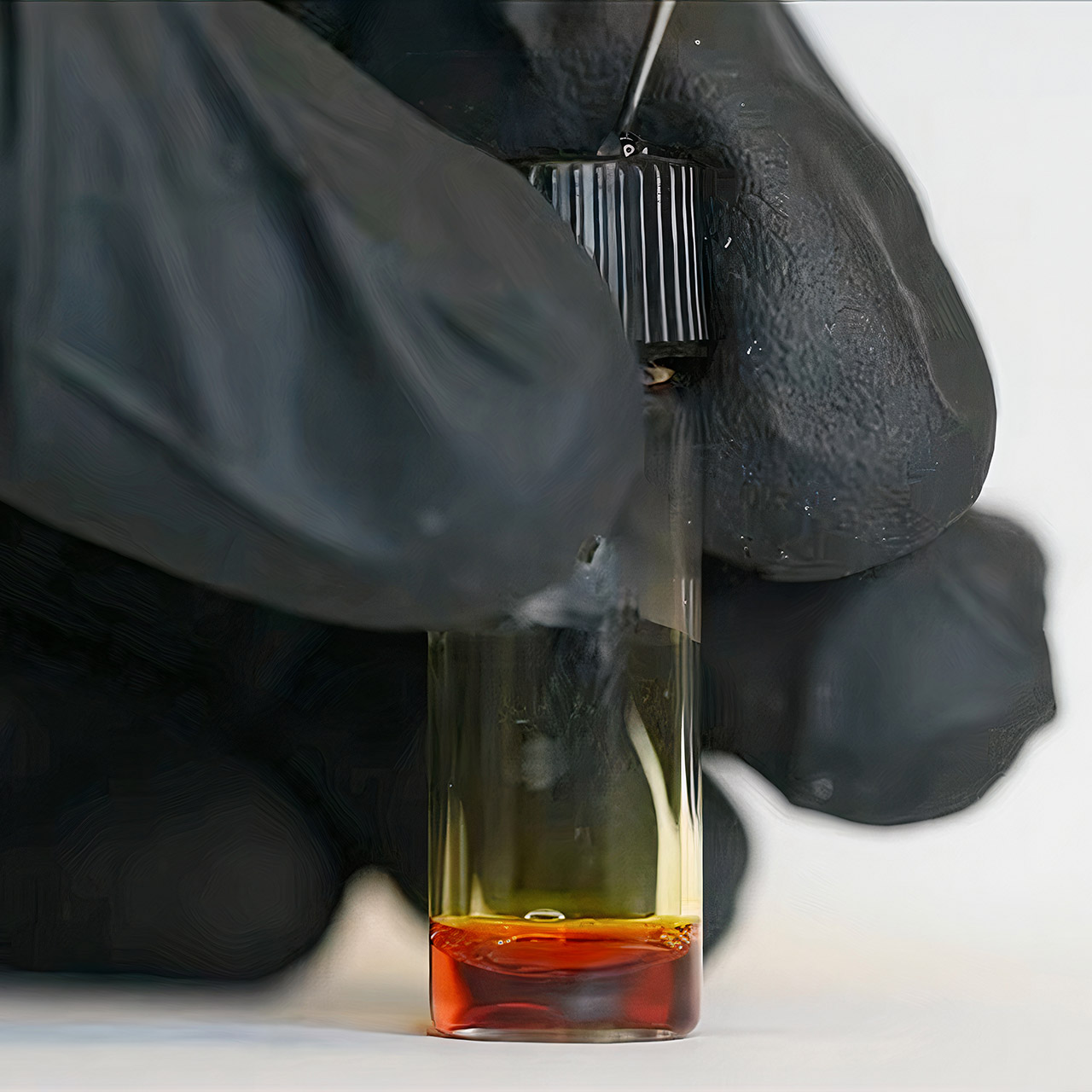
Northwestern University chemists have built a material that begins as an ordinary yellow liquid and rearranges itself into a black gel whenever it absorbs energy. The change locks electrons inside a new structure that can hold them for months when sealed away from air. Open the container later and oxygen triggers the release, powering chemical reactions even in complete darkness.
There’s no need for permanent electrodes or sophisticated battery packs because the material can handle capture, storage, and release on its own simply modifying its structure. Samuel Stupp and his team’s recent research, published in the journal Chem, demonstrates how this works. Tyler Jaynes and Luka Dordevic were the study’s co-first authors, and they carried out some very amazing lab experiments. The design is essentially a duplicate of the cytoskeleton, a dynamic protein network that exists within every cell and is constantly formed and deconstructed to allow the cell to move and expand. All they’ve done is exchange biological fuel for electrons.

National Geographic Amazing Chemistry Set – Chemistry Kit with 100+ Science Experiments Including Crystal…
- OVER 100 EXCITING EXPERIMENTS – The science experiments in this kit let kids explore the wonders of hands-on science experiments. They’ll make…
- EVERYTHING KIDS NEED – This kit includes all materials needed to conduct 15 stunning chemistry experiments, including growing a crystal tree, changing…
- 85 BONUS EXPERIMENTS – Because we know your kids will want to conduct even more science experiments once they get going, we include a bonus experiment…
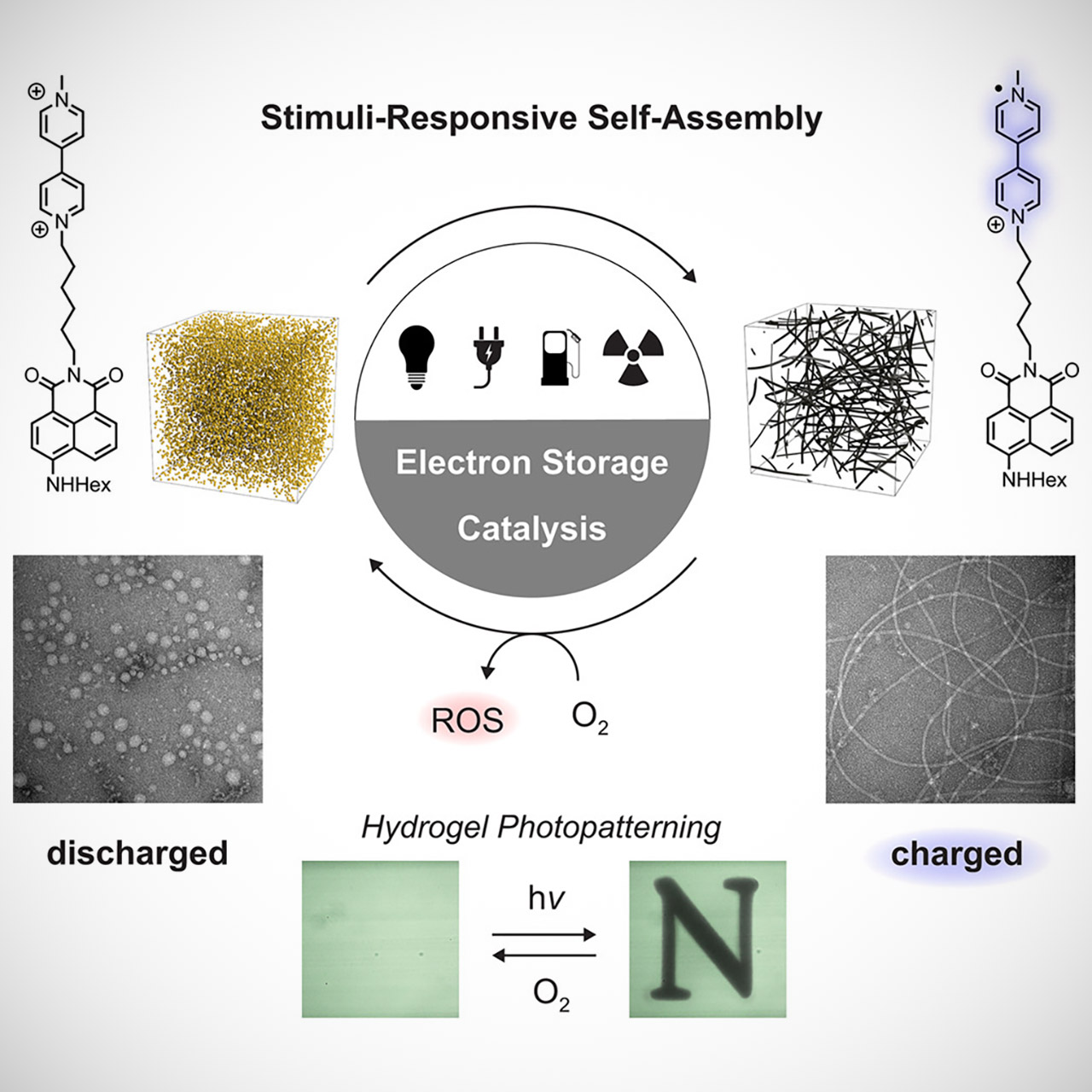
In their resting state, the custom molecules form independent tiny clusters. Now, push one section of each molecule with light, electricity, X-rays, or chemical fuels, and it will transfer electrons to its partner segment. That causes the charged molecules to stack up because they tend to adhere together in neat little rows, and these rows turn into long, ribbon-like strands that begin to tangle and catch some water, transforming the entire thing into a soft, black gel.
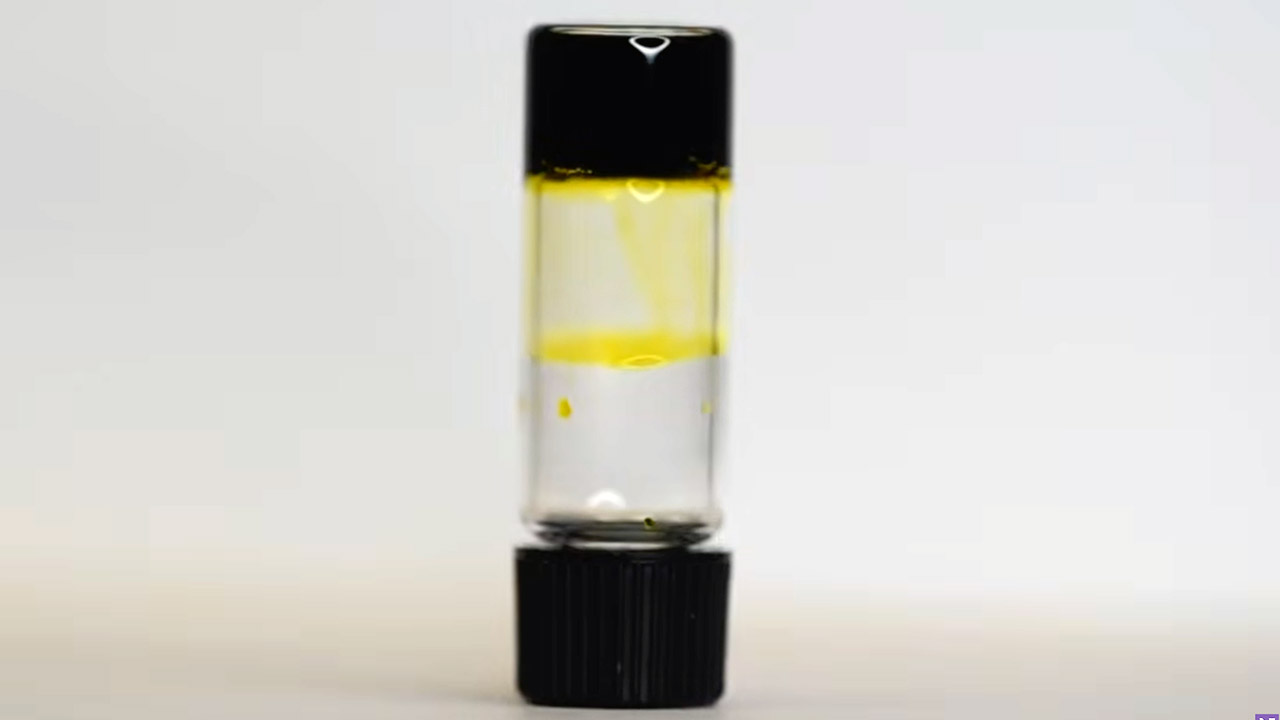
Inside that assembled mess, the electrons are as safe as houses. Northwestern researchers believe that a single gram can store enough electrons to power a smartwatch for several months. To get those electrons out, all you have to do is give the gel some oxygen, which causes the formation of some nasty reactive oxygen species. These reactive compounds can degrade contaminants or initiate other chemical reactions that do not require light to occur. Once the gel has completed its function, it simply begins to degrade and returns to the original yellow liquid from which it originated.
This is a working example of dark photocatalysis, in which energy is stored during the day using sunlight or another input and then used to drive chemical reactions afterward. The substance itself serves as a sort of intermediary, bridging the gap between energy arriving and energy used. The researchers also demonstrated that light can form transitory conductive patterns within the gel, employing masks to ensure that the patterns appear in the first place. These conductive patterns only remain for as long as the gel is created, making them ideal for soft, programmable electronics that appear and disappear as needed.
Traditional batteries simply keep on trucking, storing ions or electrons in their unchangeable circuitry. Solar panels either convert light immediately or fail to do so at all. This technology, on the other hand, allows the material to alter shape and manage energy over time. Then step back once it’s finished, and everything runs in water, because the only thing required to reset the material is ordinary air. It also avoids the metals and plastics that are so prevalent in modern electronics.
This technique could be used to clean up the environment by on-demand oxidation, or to create sterilization systems that employ chemical energy. It could also be used as a power source for soft robotic components that only require a little amount of juice at times. They’re still in the early stages here, and thus far, researchers have only looked at small lab samples under fairly controlled conditions. They still need to figure out how to scale this up so that it works in the real world, enhance the energy density per gram of material, and then convert all of that stored chemical energy into a direct electrical output rather than releasing it as chemical reactions.
[Source]
This Yellow Liquid Turns Into a Black Gel to Store Energy for Months
#Yellow #Liquid #Turns #Black #Gel #Store #Energy #Months