Aerospace Engineer Builds a Working 3D-Printed EDF Afterburner
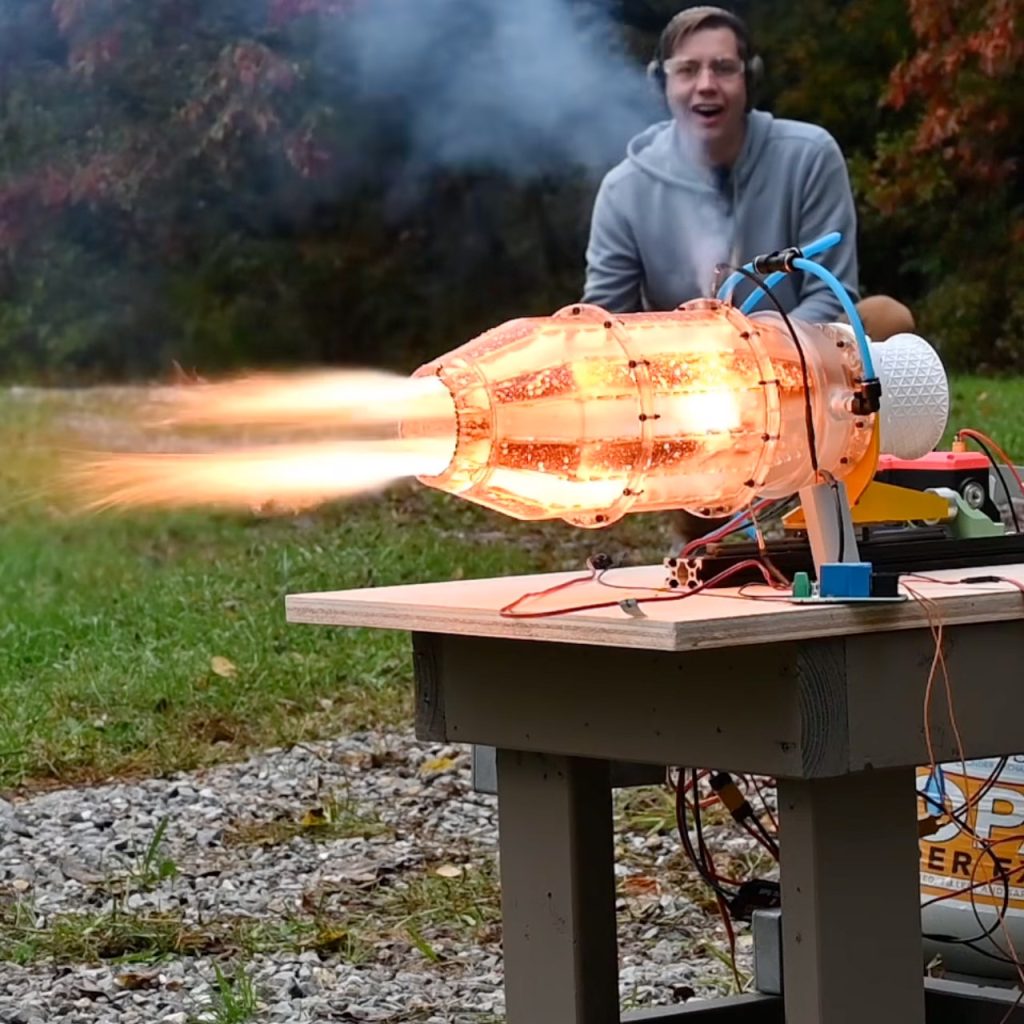
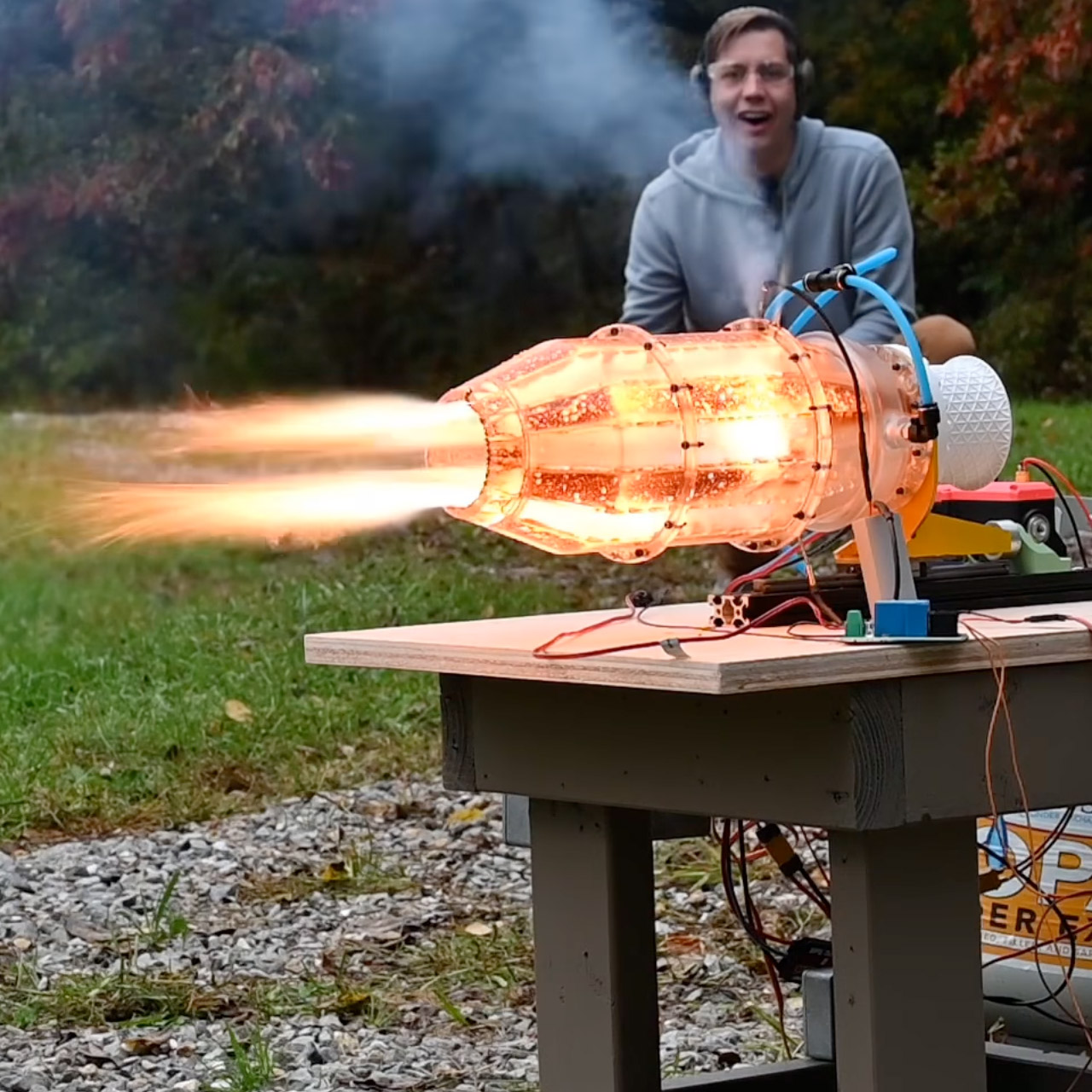
Michael Rechtin spends his days as a full-time aerospace engineer and his evenings turning filament into machines that most people would still expect to come from a factory. His latest project takes an ordinary electric ducted fan and adds a combustion section behind it, creating a functional afterburner that he then put on a thrust stand to measure what actually happens when fuel joins the airflow.
Consumer 3D printers have improved enough that the housings, fuel rings, and flame holders can now be printed at home and survive the heat long enough for real testing rather than just looking the part for a few seconds. An electric ducted fan already moves a lot of air at high speed via a short duct, but an afterburner adds fuel downstream of that fan and turns it off, causing the hot gasses leaving the nozzle to accelerate even further.

Bambu Lab A1 mini 3D Printer + LED Lamp Kit, Ready-to-Use for Beginners | Beginner-Friendly Ecosystem…
- A1 mini + LED Lamp Kit for Creative Light Projects: Bring your ideas to life with the included LED Lamp Kit. Simply print compatible lamp models and…
- The Perfect 3D Printer for Beginners: A1 mini 3D Printer is designed to make 3D printing easy from day one with automatic calibration, simple setup…
- Experience the Bambu Lab Ecosystem: Access MakerWorld’s huge library of ready-to-print models, manage prints through the Bambu Handy app, and enjoy…
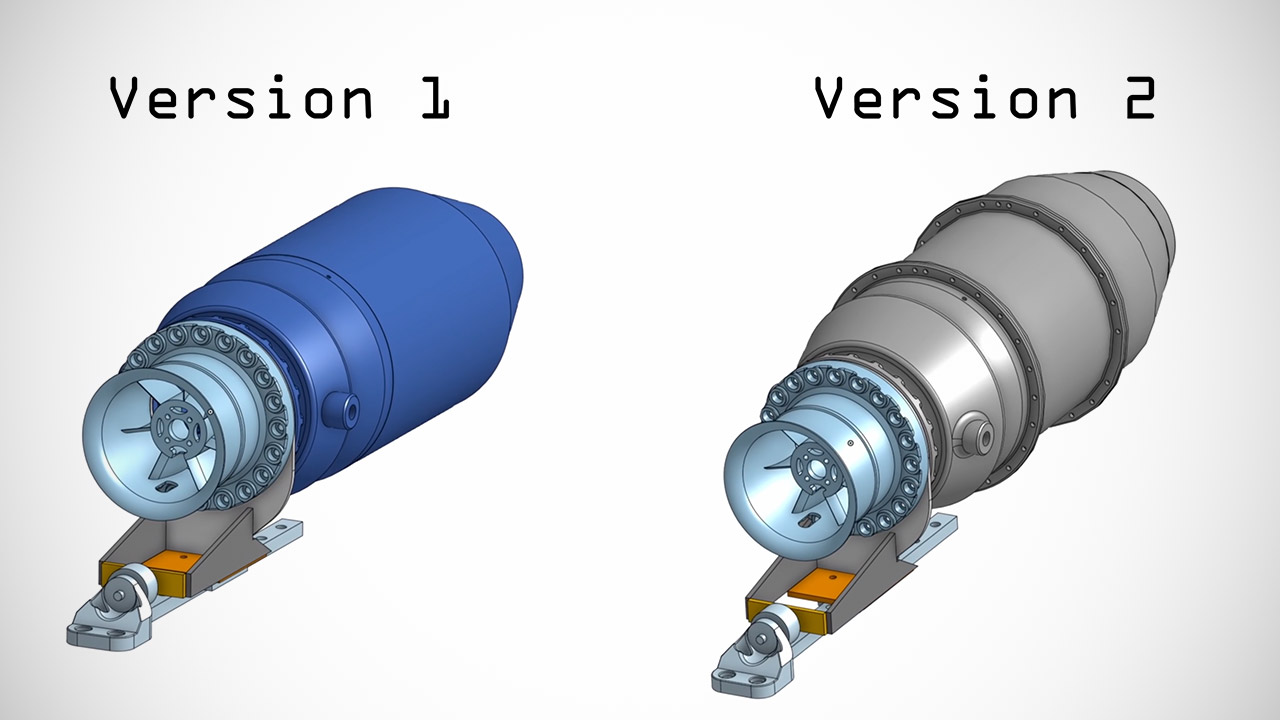
Rechtin designed the assembly in Onshape, printed the structural pieces on Bambu Lab machines, and integrated a propane delivery system with an ignition source. Comments note the blue flame that appears once the mixture is extinguished, and it appears that he intends for the flame to remain lighted while the fan is operating, rather than flicker on and then go out again. He’s avoided a lot of the issues that other makers have experienced by melting their plastic enclosures or simply generating a nice picture without providing any thrust boost. This device appears to be durable enough to sustain prolonged usage while still providing useful scale readings.
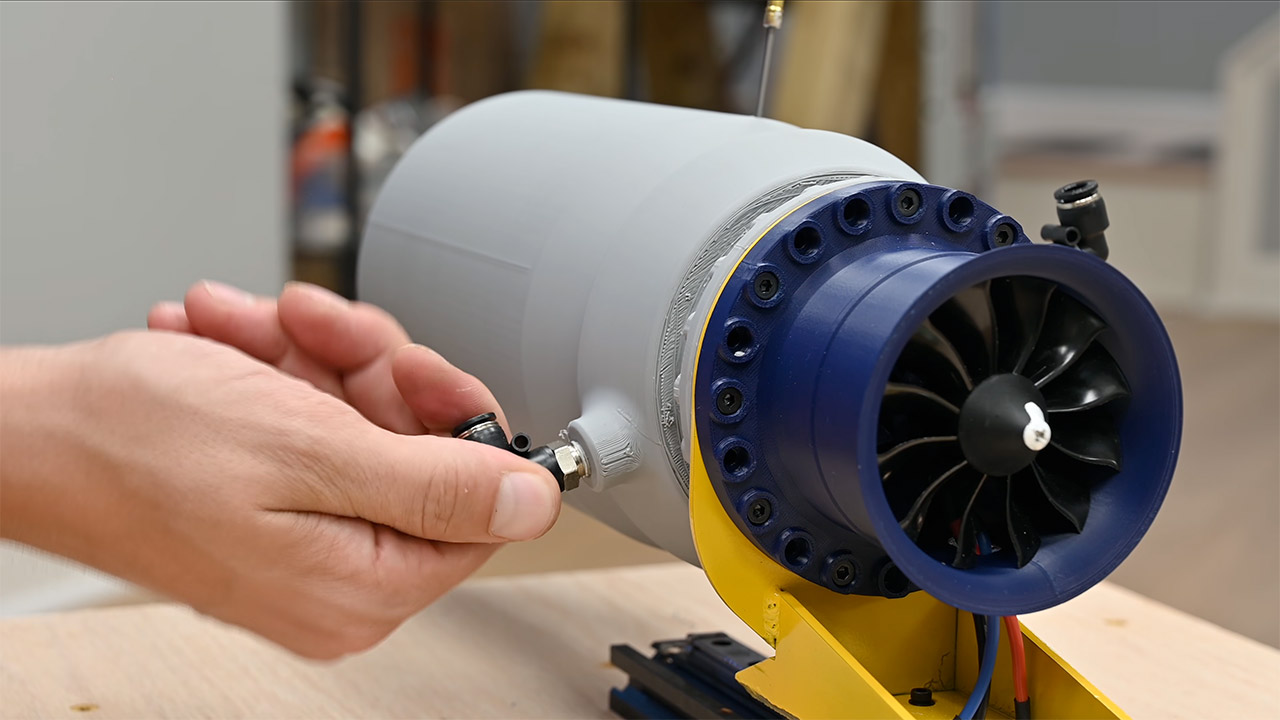
Typical electric ducted fans produce only a small pressure rise above atmosphere, so any afterburner has limited headroom before the flame is simply blown out or the added heat fails to accelerate the flow. Real jet engines can achieve significantly higher thrust enhancements because the air has already been compressed by a large turbine.
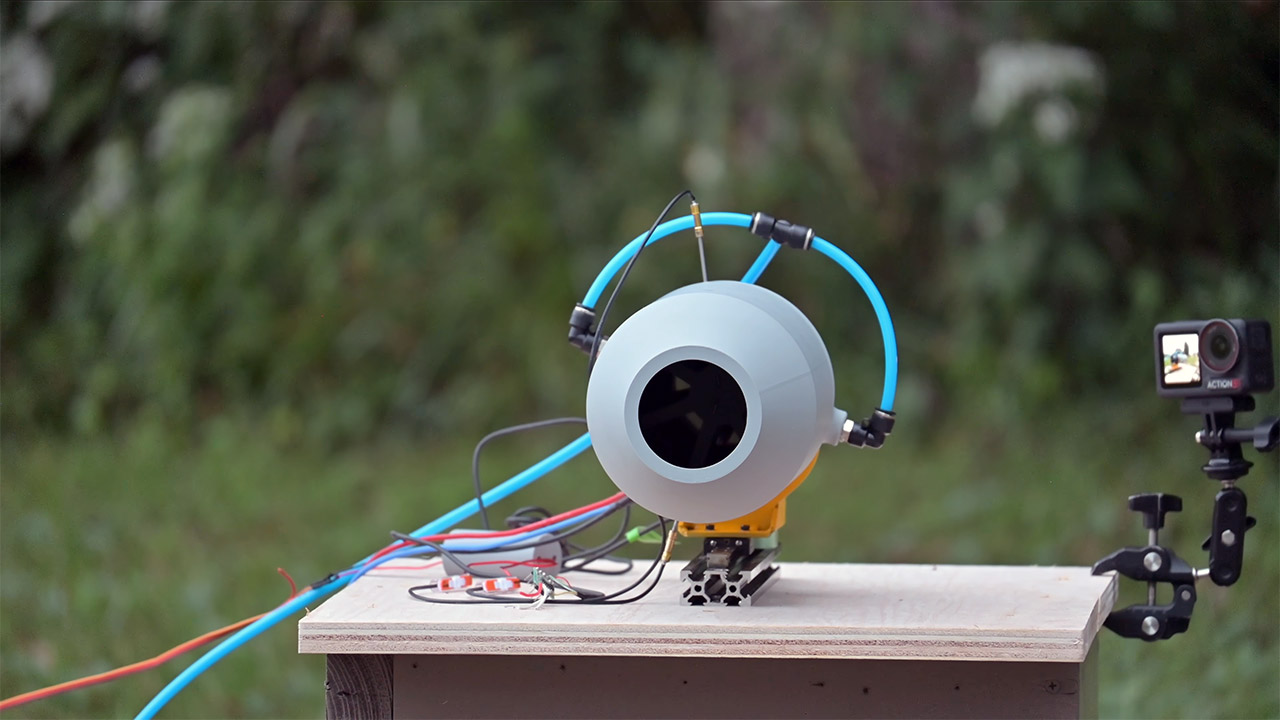
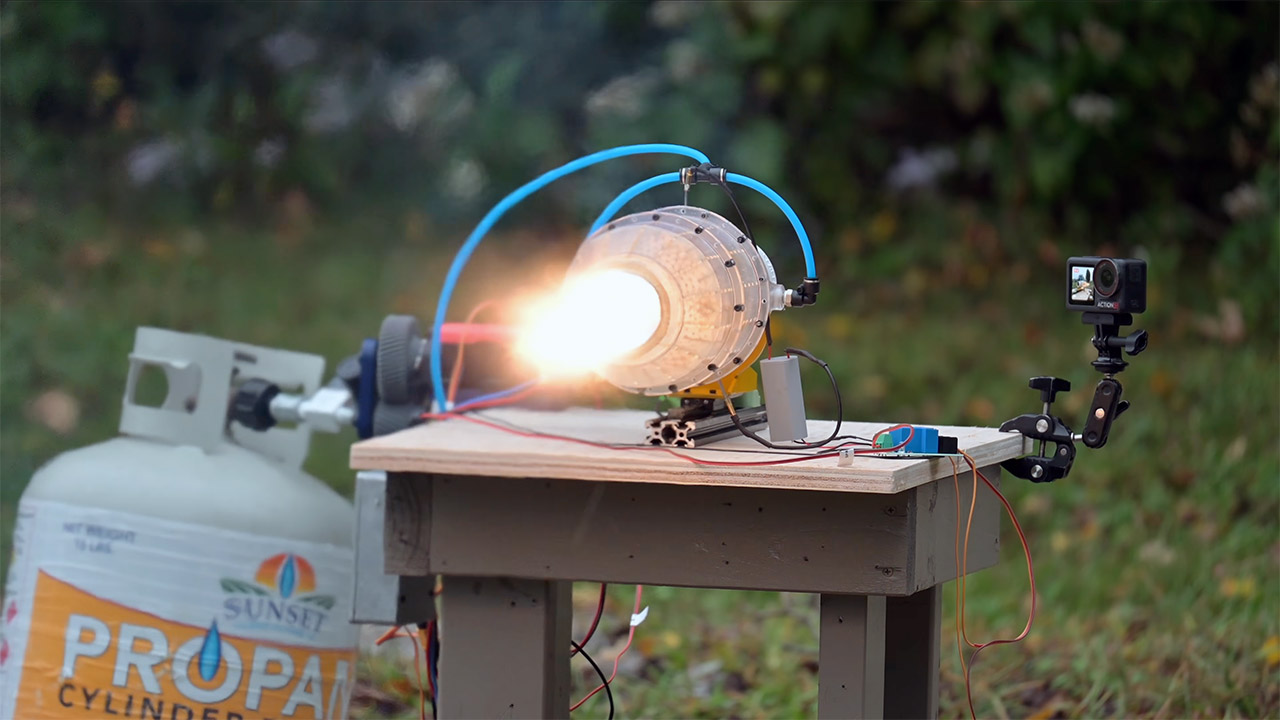
An EDF begins at a considerably lower point, so it’s no wonder that previous types of afterburners didn’t provide much of a boost, only a few percent improvement at best, and that was only when you didn’t consider the added weight and drag of the gear. Rechtin nonetheless repeated the test, comparing the fan on its own to the same fan with the afterburner activated. Unfortunately, all we get is a view of the stand and the flame, rather than a claim that it matches a genuine fighter, but I believe that’s kind of the point: the technology is now good enough that we can take measurements in the first place.
3D printing has advanced beyond the ability to create esthetically pleasing models and can now produce parts that can withstand heat, airflow, and mechanical loads simultaneously. Rechtin has demonstrated fully printed motors, large-scale drones, and other gear that used to need machining or injection molding only a few years ago. The afterburner takes it a step further, employing the 3D printer as a tool for rapid changes to the nozzle frame, fuel injector placement, and cooling routes. Every failed run can now be revised overnight and printed the next day, when it used to take weeks of machine shop time and bespoke metalwork. Now it’s simply something you can do in your garage.
Aerospace Engineer Builds a Working 3D-Printed EDF Afterburner
#Aerospace #Engineer #Builds #Working #3DPrinted #EDF #Afterburner