Engineezy Builds Sphero Electric Battery That Charges Phones with Marbles
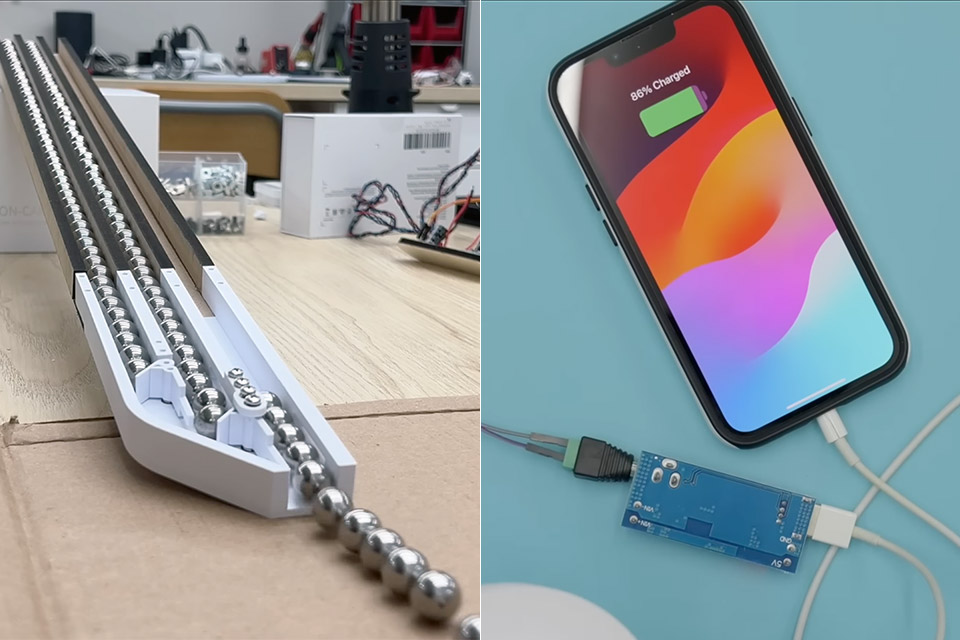
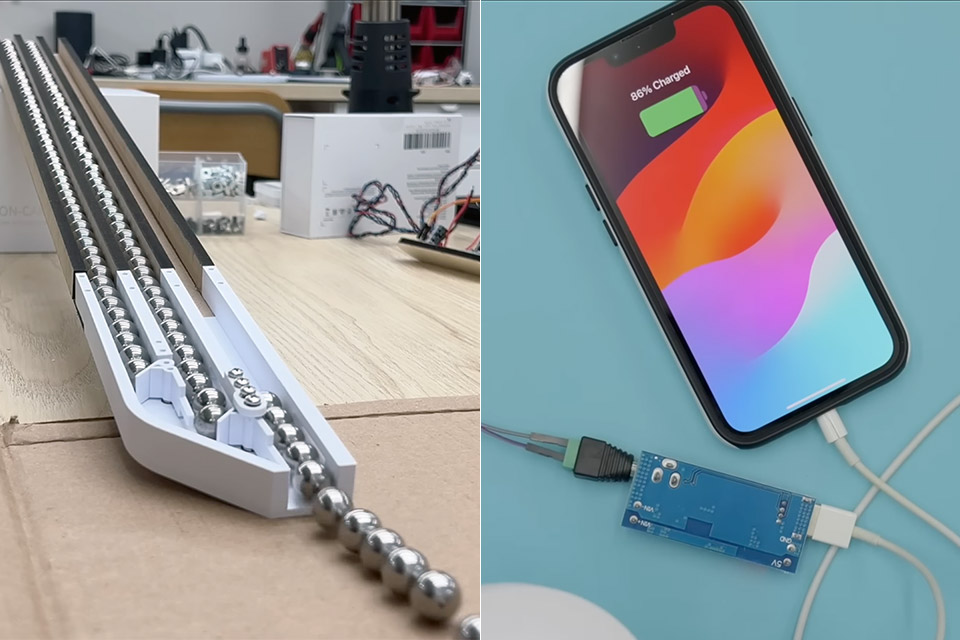
Charging a smartphone with marbles sounds impossible until you watch Engineezy spend weeks turning steel balls into a working power source. He called the finished machine a Sphero electric battery, a playful nod to the way pumped hydro plants store energy by lifting water high and letting it fall through turbines later.
Engineezy began with a simple concept about basic physics. An 8-gram steel stone raised a meter above the ground was just accumulating potential energy. Let it all go at once, and you could theoretically generate 5 watts and charge your phone. In reality, Engineezy would require about 64 marbles every second, with no losses at all, before he considered it profitable. It sounded like a lot, but Engineezy put the maths aside and started creating.
Sale

INIU Mini Portable Charger, Small 10000mAh 45W Fast Charging Power Bank | Flight-Safe, USB-C Cable…
- [MINI SIZE. ULTRA PORTABLE CHARGER]: Roughly the size of an AirPods Pro case, this smallest power bank packs 10,000mAh of long lasting power into a…
- [TRUE 45W SUPER FAST CHARGING]: Delivering desktop-grade, rapid speed anywhere, this 45w pd fast charging bank blasts a Samsung S26 Ultra from 20% to…
- [DETACHABLE LANYARD FOR MULTIPLE DEVICES]: Our fully detachable, nylon-braided USB-C lanyard cable outlives standard cords by 3X, making it a heavy…
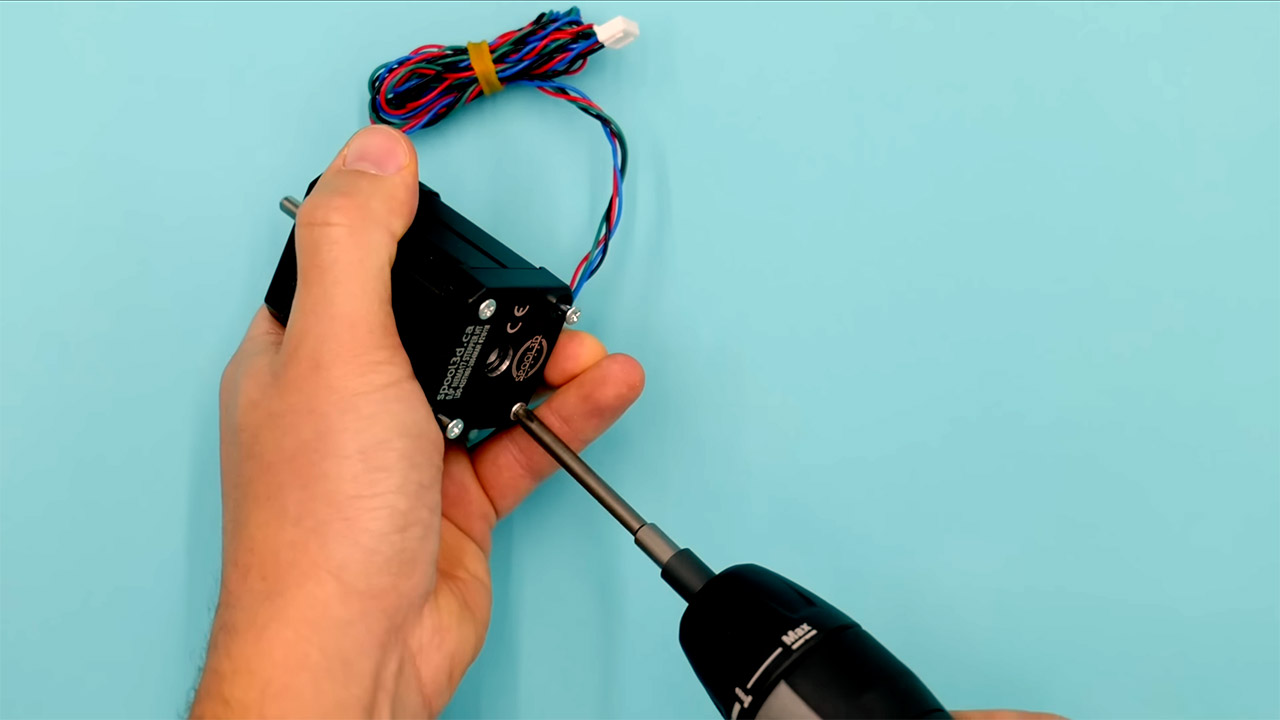
First, he built the generator. When you feed current through the coils of a 3D printer’s stepper motor, which is used to print prototypes, it starts spinning. Reverse the flow, and the identical coils generate power as soon as the shaft turns. However, it only produces alternating current, so Engineezy added a full bridge rectifier to make it useable. A small voltage converter then reduces the power to the 5 volts that your phone truly expects, making it all worthwhile. Early experiments with a hand crank demonstrated that, indeed, the setup could light an LED and even charge a phone if spun quickly enough.
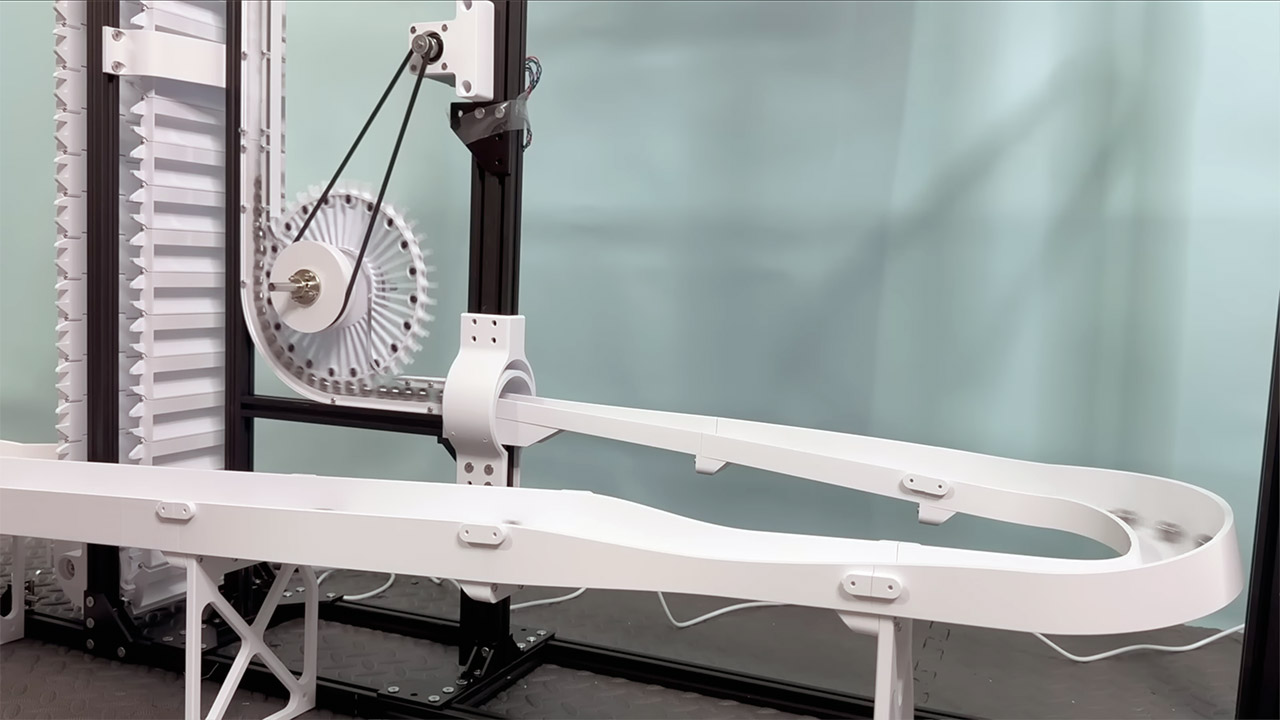
Next, he had to figure out how to get the paddle wheel spinning. He dropped the pebble into a 3D printed paddle wheel mounted on top of the generator shaft. The concept was that the marbles’ collision with the paddles would turn the wheel, generating power. The original prototypes functioned a little too well since the marbles retained some speed after hitting the paddles, rather than transferring it fully to the generator as intended, resulting in lost energy as additional motion. So he experimented with a few changes, and in the end, adding a second paddle wheel and tweaking the pulley ratios to increase the system’s resistance made all the difference.
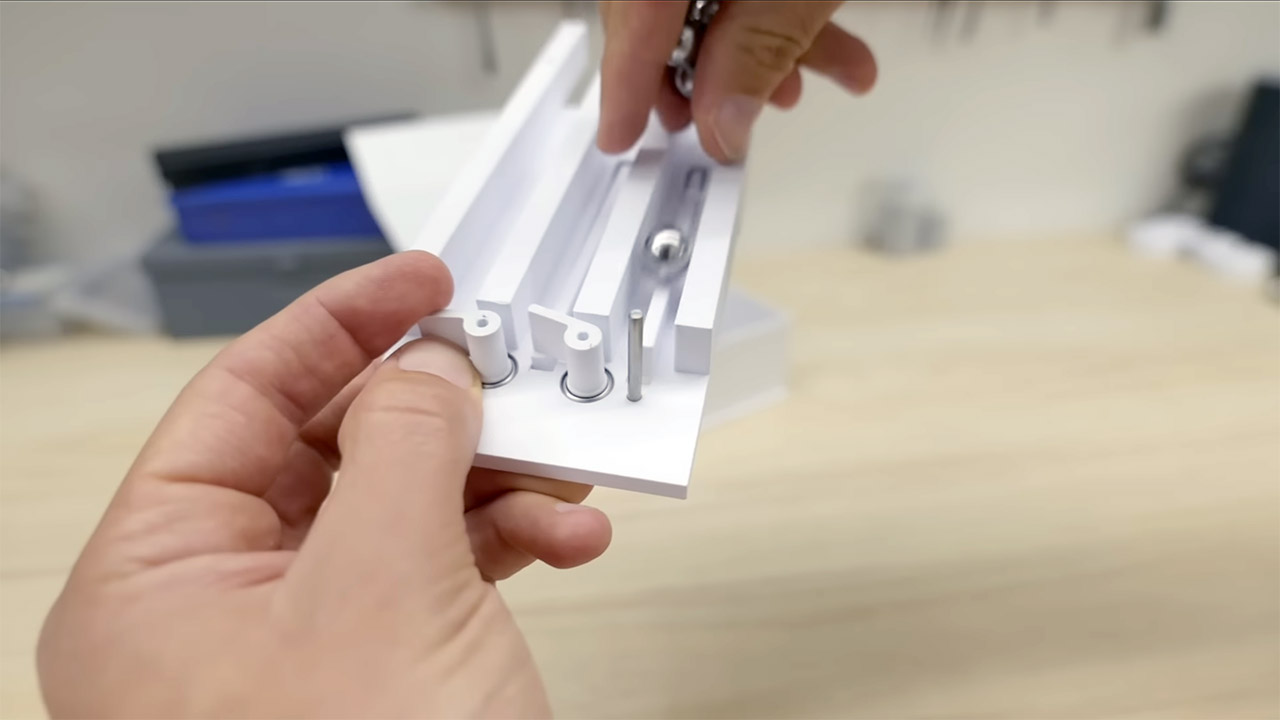
They now faced the challenge of collecting marbles to feed the paddle wheel in the first place. Engineezy created a reasonable and conveyor belt-style device that carried them up to a high level. Then they entered a series of guides, although the early versions of these funnels remained jammed. Marbles would stack up and become stuck. He explored revamping the system to be more vertical, as well as adding some passive lanes to keep the balls going without the need for gates or sensors.
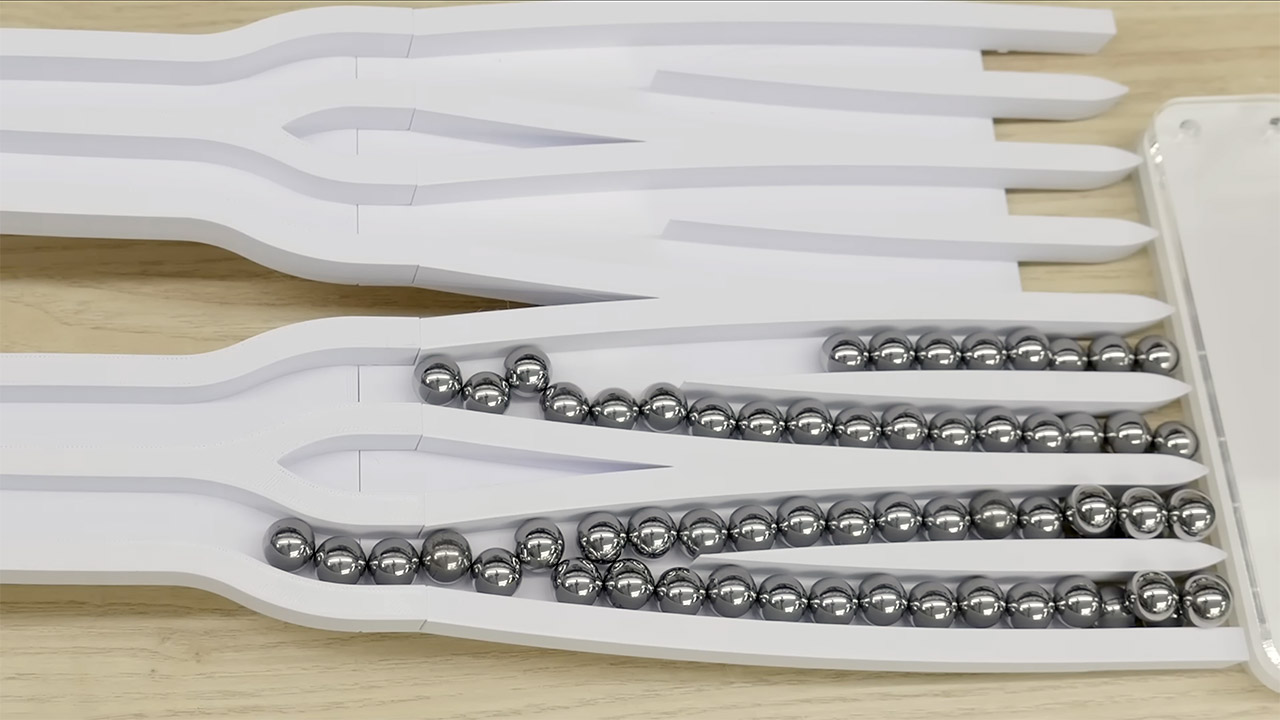
The part where he wanted to separate one stream of marbles into hundreds of smaller parallel lanes was the most difficult for him. The weight of all the stones would cause one single funnel to become clogged. The normal solution would not work, therefore he stole a design from Wintergatan known as the Holy Grail marble divider. The zig-zaggy part separated the marbles so that one lane could fill and empty without obstructing others. He then made the necessary adjustments to make it work with his marble size, and it split the flow into 16 tidy streams that fed the paddle wheels without any problems.
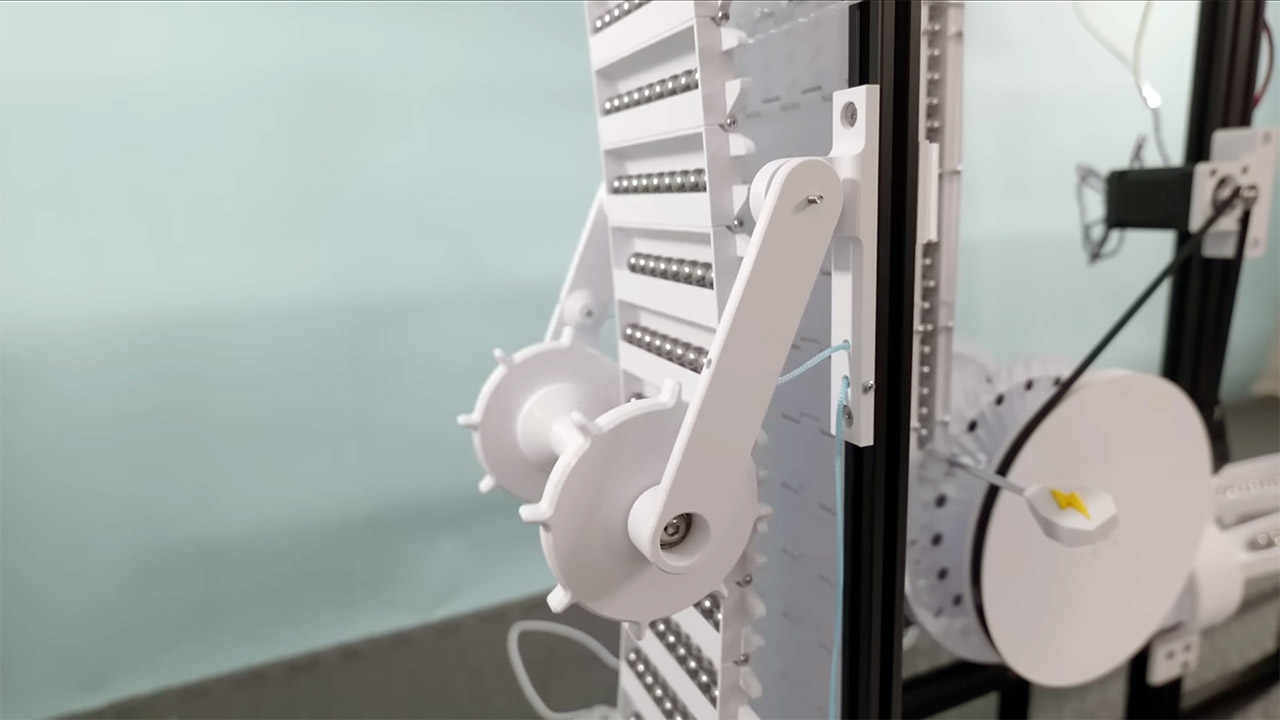
Putting everything together proved to be a nightmare. An electric screwdriver became a dependable companion for all of the changes he needed to make. The conveyor belts kept slipping, and he had to add tensioners and reinforcements to fix them. The power output was still quite low in the early days, since it couldn’t even light an LED let alone force any current into a phone, but a few more adjustments to the paddle geometry and belt tension did the trick, and he was finally able to put it to the test.
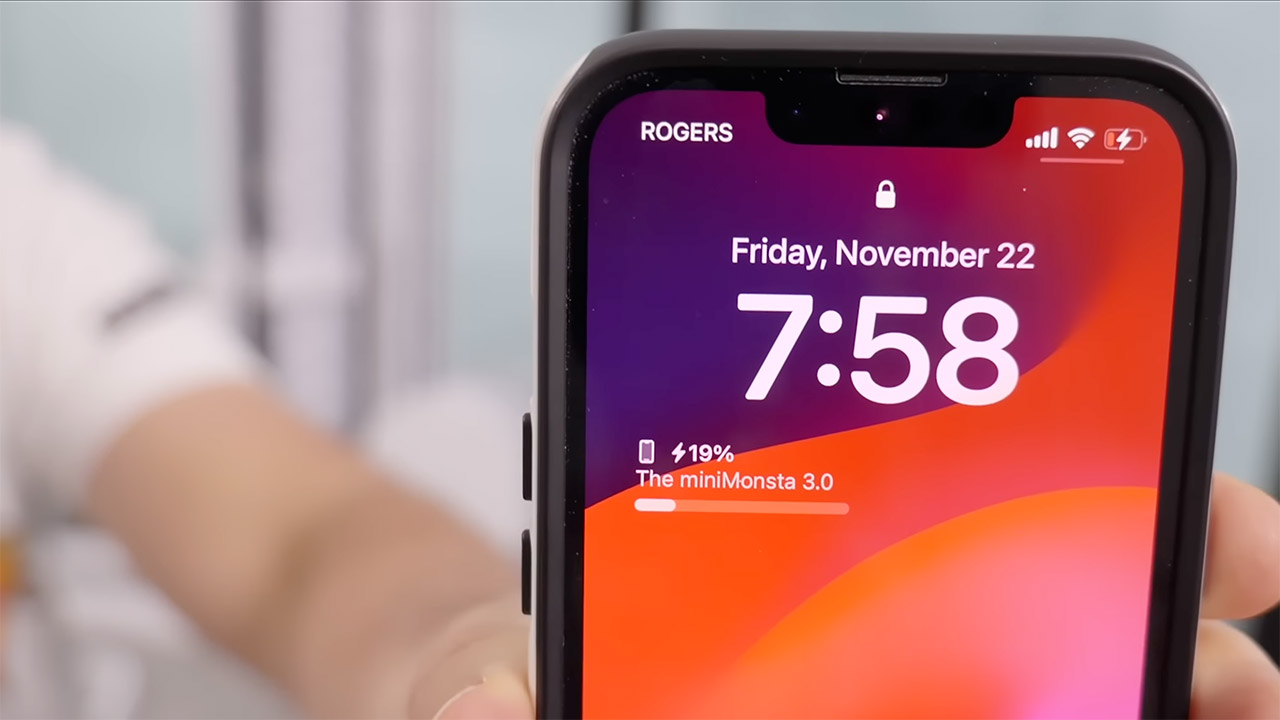
When the phone is eventually plugged in, the screen displays the “charging” symbol. Marbles begin to flow through the system, the paddle wheels begin to spin in circles, and the generator begins to produce electricity. The charge lasted approximately thirty seconds before the marbles ran out, and then we were back at square one. Recharging this device requires restarting the lift motor, which consumes significantly more electricity than it generates. A little power bank sits right next to the machine, and it can fully charge the phone numerous times, whereas the entire marble setup only managed to run the phone for half a minute.
Engineezy Builds Sphero Electric Battery That Charges Phones with Marbles
#Engineezy #Builds #Sphero #Electric #Battery #Charges #Phones #Marbles