Lunar Outpost’s Pegasus is the Rover Built to Give Artemis Astronauts Real Range on the Moon
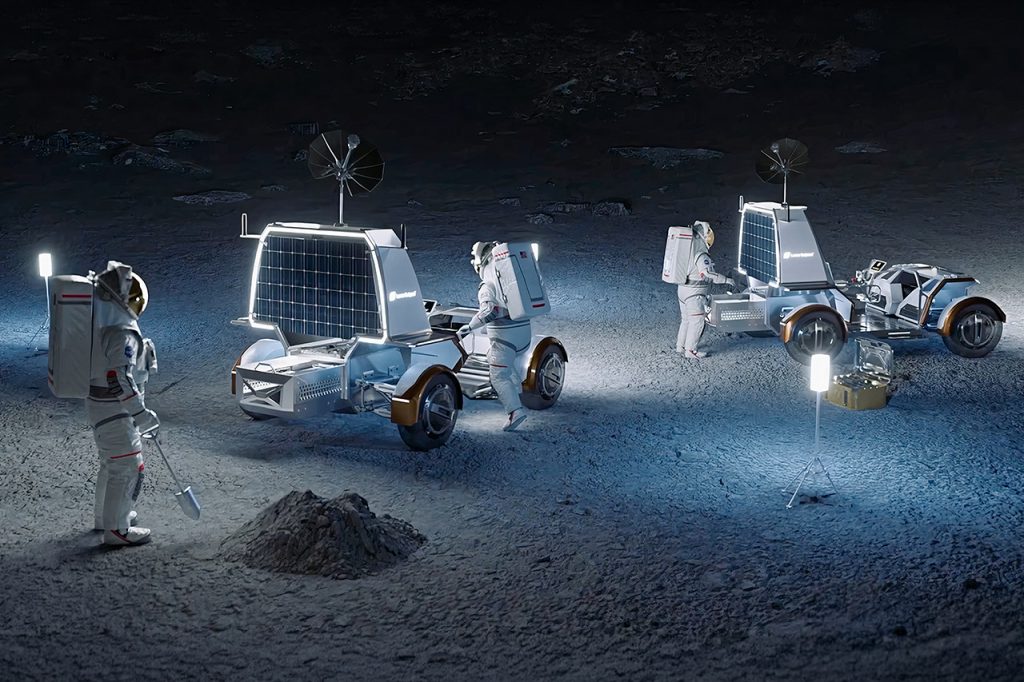
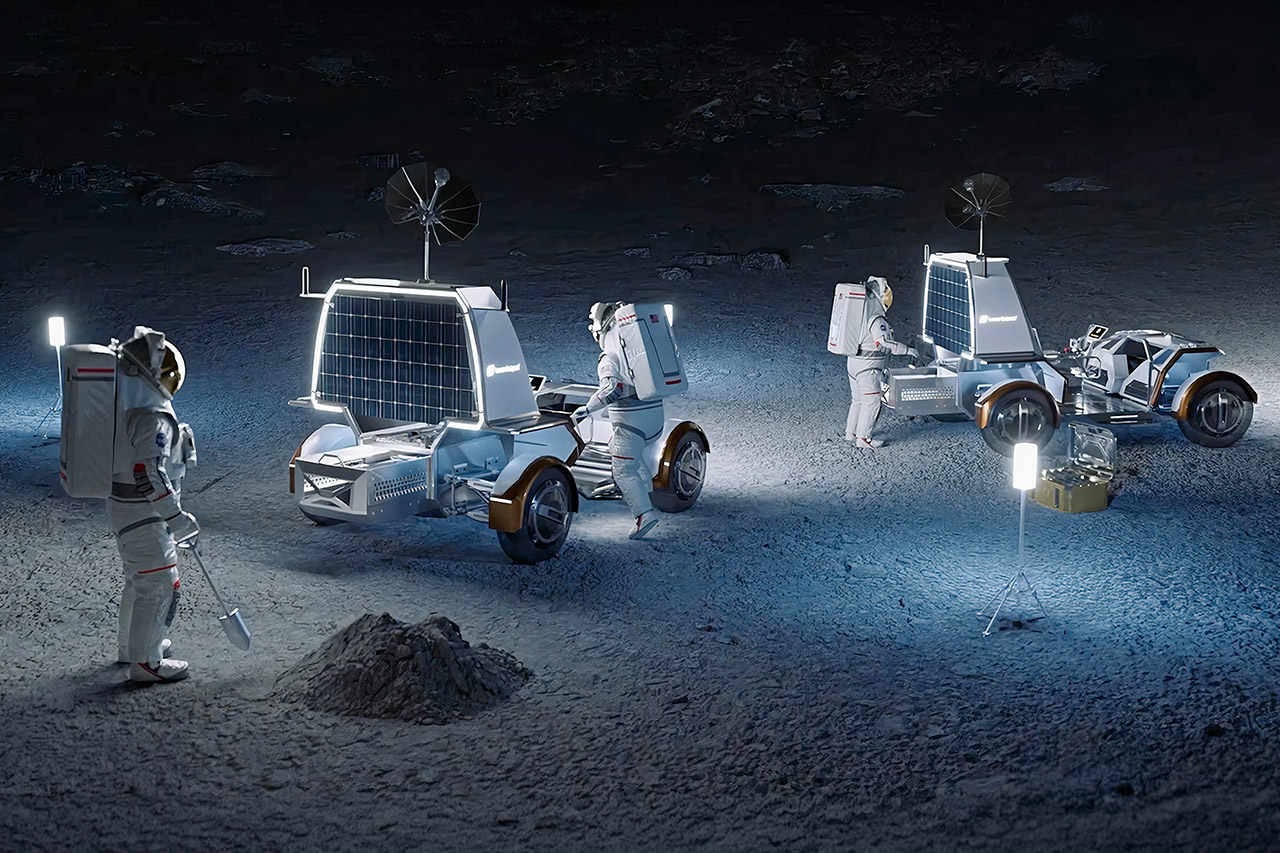
NASA picked Lunar Outpost to deliver a new crewed rover called Pegasus for the Artemis program. Astronauts will drive it across the lunar south pole starting around 2028. The vehicle brings a clear step up in what crews can accomplish during surface operations. It offers the range, endurance, and flexibility needed to support longer stays and the groundwork for a permanent outpost.
Lunar Outpost won the contract for NASA’s Lunar Terrain Vehicle Services and got a great deal in the process. They will receive $220 million to develop a flight-ready rover that meets the stringent requirements of a mission aimed at pushing the frontiers. They are not the only ones that received the contract; another company will work with Lunar Outpost to help astronauts make the most of their time at the moon’s south pole. Where the cold is severe, the shadows never end, and the terrain is a true impediment, it will be tough to achieve anything.
Sale

LEGO Technic NASA Apollo Lunar Roving Vehicle LRV Building Set – Craft Kits for Adults, Ages…
- Build a realistic LEGO Technic lunar rover model – This LRV building kit for adults is packed with authentic details including seats, steering…
- NASA model for adults – Enjoy a mindful project assembling all the details of the rover and equipment including the battery pack, heating and…
- A build for NASA fans – Remember the Apollo 17 mission with a display that features the lunar roving vehicle alongside 3 detailed equipment…
The designers at Lunar Outpost were inspired by a prior concept called Eagle and produced a smaller, lighter version of it. The Pegasus is the end result, and it represents a huge breakthrough. It has a compact design that keeps it under NASA’s weight limit while yet packing all of the punch they need, and two astronauts sit side by side in a low-slung cabin with an unimpeded view of what lies ahead. To top it all off, it’s really easy to get into and out of, even on rough terrain. The design bears homage to the iconic Apollo roving vehicle, but it has been updated with cutting-edge technology and greatly enlarged capabilities.
One of the key things the designers wanted to get right with Pegasus was its range and endurance, and to be honest, the stats are quite impressive. We’re talking up to 900 kilometers on a single set of batteries, with a year of operation following delivery to the surface. Top speed isn’t exactly rocket science (15 kilometers per hour), but traveling any faster on the moon would be disastrous. The surface is loose, with craters and slopes everywhere, and the Pegasus has been engineered to manage it all, thanks to some excellent engineering input from General Motors.
The power comes from exceptionally powerful battery packs based on General Motors’ production electric vehicle technology. They can provide the long-term dependability and fault tolerance required for months of operation in a vacuum, as well as in conditions that would be harsh even on Earth. While GM isn’t the only partner who has contributed; Goodyear donated specialty tires designed for the moon’s unique conditions, and Leidos added some muscle with their systems engineering expertise.
So, how does all of this translate into practice? It indicates that the Pegasus can be driven directly from the seat by an astronaut or navigate autonomously across known terrain utilizing onboard technologies. If it isn’t enough, Earth-based teams can take over the rover in real time if needed. This is the type of versatility that will make all the difference whether doing science or construction on the moon.
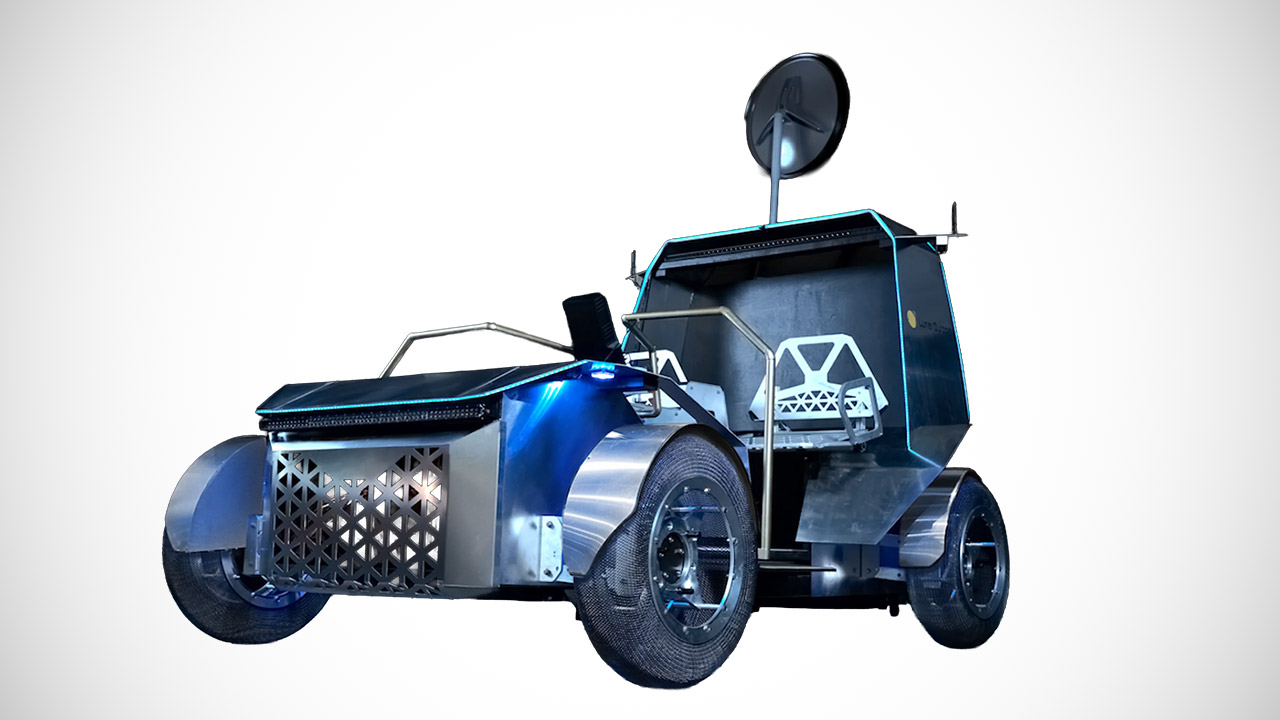
Thermal regulation is critical when working at the South Pole. Plus, a system that automatically regulates temperature levels throughout the rover at all times, protecting batteries, electronics, and mechanical components wherever temperatures range from a scorching 250 degrees Fahrenheit on the surface to icy lows of -410 degrees Fahrenheit in those shadowed craters. It does all of this independently of whether the rover is carrying a crew or is merely winging it, allowing astronauts to concentrate on other tasks rather than worrying about it.
It was all developed very systematically, building on past successes. Remember the Mobile Autonomous Prospecting Platform and Explorer-class rovers that Lunar Outpost once employed? They used their abilities to create a number of full-scale models of the Eagle design, conduct several test simulations, and even subject the crew to human-in-the-loop testing. After that, they scaled back the design to meet the Pegasus project’s mass and volume limits while retaining all performance goals, and the next step is to provide a flight-ready version to NASA by November 2027.
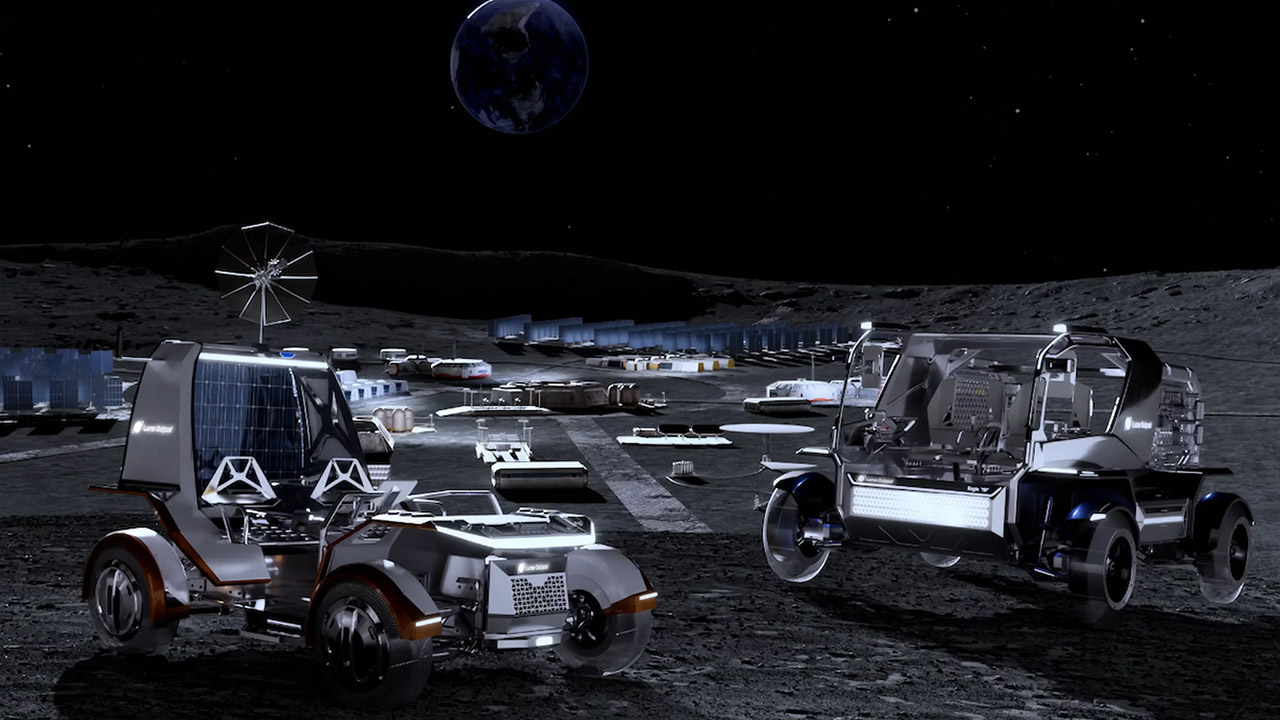
When the Eagle rover lands on the Moon, it will already have a lot on its plate; the crew will be able to use it to look for water ice in permanently shadowed areas, prepare some locations for future base elements, conduct science experiments, transfer equipment, and so on. Pegasus is more than a one-trick pony; it can perform crewed driving, teleoperation, and autonomy all at once, which is highly beneficial when mission needs change on a dime. With livestreaming capability from the lunar surface, anyone can now join in on the fun and get a front-row seat to the action.
[Source]
Lunar Outpost’s Pegasus is the Rover Built to Give Artemis Astronauts Real Range on the Moon
#Lunar #Outposts #Pegasus #Rover #Built #Give #Artemis #Astronauts #Real #Range #Moon