MIT’s Room-Temperature Mix Pulls Lithium From Common Rocks and Leaves Almost Nothing Behind
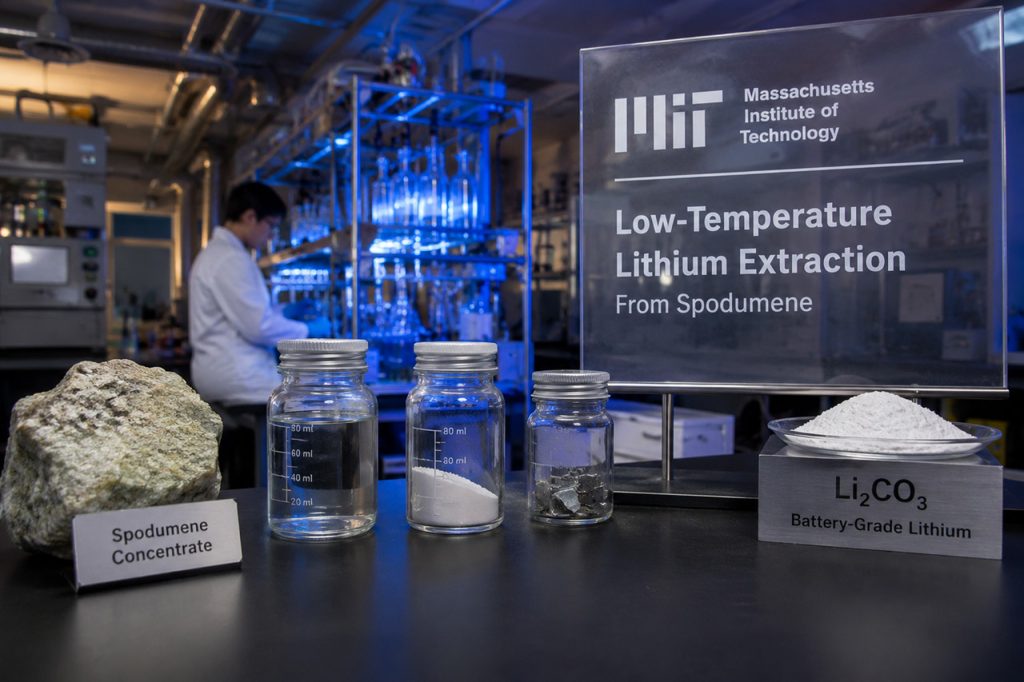
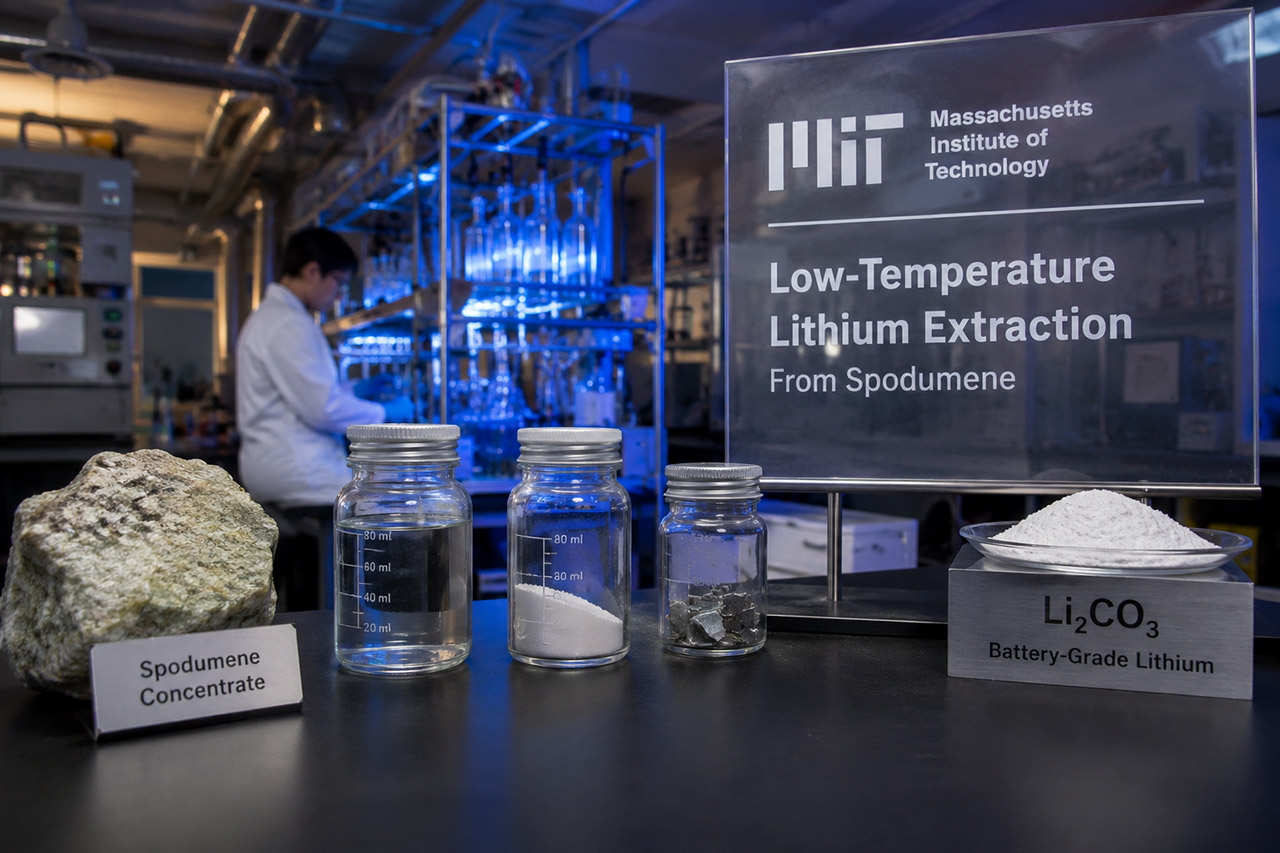
Electric vehicles and grid batteries keep lifting lithium demand higher each year. Meeting that growth cleanly matters more than ever. Spodumene holds much of the lithium locked inside hard rock deposits spread across Australia, the United States, and Europe. Mines already pull the mineral out of the ground, yet turning it into battery-grade material has always demanded extreme heat and left large piles of leftover rock. A team at MIT changed the script. Materials scientist Yet-Ming Chiang and colleagues mix crushed spodumene with a simple solution of water and ammonium fluoride. The first major step happens at ordinary room temperature.
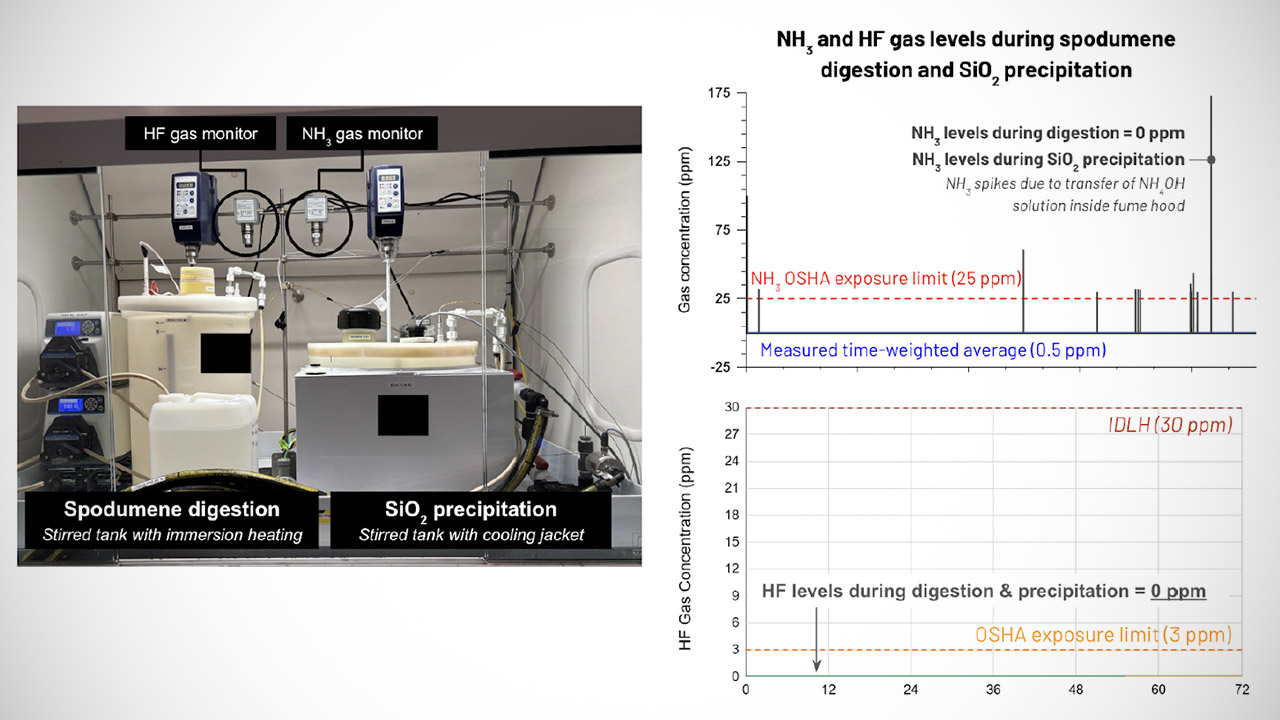
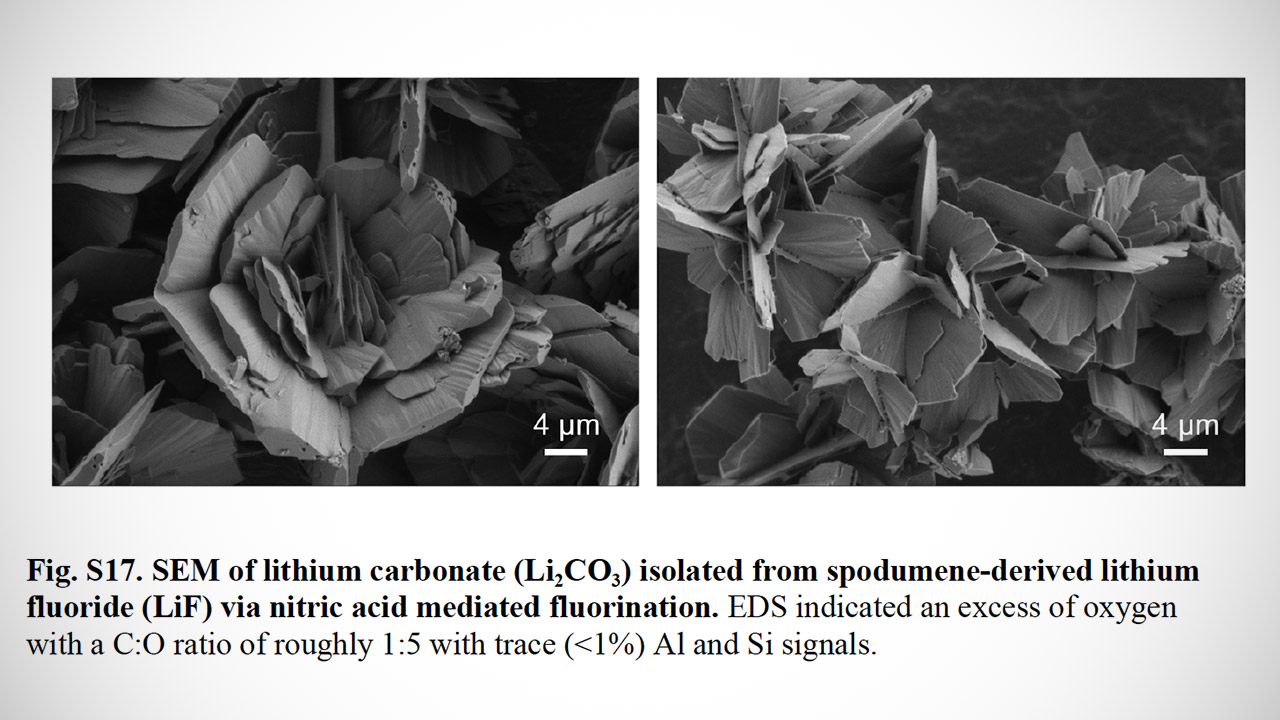
The solution then breaks down the mineral, separating the lithium, aluminum, and silicon into different parts. The researchers then pluck out those pieces separately. Lithium emerges from this mixture as lithium fluoride, and adding additional carbon dioxide or sodium carbonate readily transforms it into either lithium carbonate or lithium hydroxide, both of which fit battery producers’ purity standards exactly. Aluminum, on the other hand, undergoes a highly controlled heating process before being converted into smelter-grade alumina, which is exactly what aluminum companies buy today.
Sale
Anker Prime Power Bank, 20,100mAh 3-Port Portable Charger with 220W Max Output, Two-Way Charging…
- 220W Total Output Power: Keep your office setup running strong with 220W total output from two USB-C ports and one USB-A port.
- Flight-Ready 20K Power: Carry 20,100mAh (72.36Wh) of portable, TSA-approved power, enough for up to 4.2 days of video streaming on an iPhone 17 Pro…
- 140W Max Fast Charging: Delivers up to 140W high-speed output for fast laptop charging when connected to a 5A cable. Charge a 16″ MacBook Pro (M4 Pro…
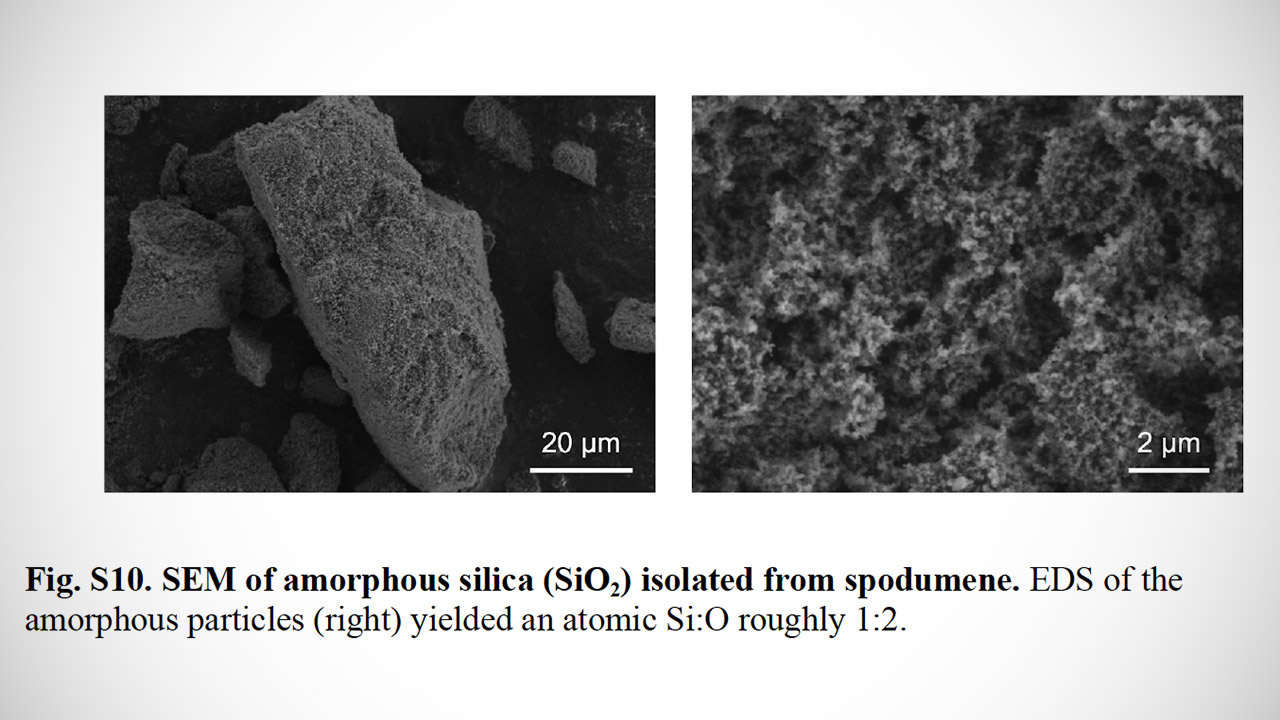
Silica, on the other hand, yields a highly reactive silica powder. Tests have showed that integrating it into cement mixtures actually strengthens it, which is great news for cement manufacturers because it provides them with a new outlet. The re-use cycle is also a very cool feature. The ammonia gas generated during the silica extraction process is caught and supplied directly back into the system. This gas then regenerates the original ammonium fluoride solution, allowing the same old ingredients to be reused over and over, resulting in virtually minimal waste.
So far, they’ve tested this on seventeen different types of spodumene samples from all across the world. Guess what? It worked the same way every time! Previous procedures entailed putting the ore in a high-temperature furnace and then dousing it with powerful acids. That entire process required a lot of energy and effectively removed the majority of the rock. This new way of extracting brine from salt flats saves part of the heat, but it still requires land and water.
MIT discovered that this approach reduces operating costs by nearly half compared to traditional hard rock processing, and it also uses far less total energy than any other method for extracting lithium. Sales of the aluminum and silica co-products produced throughout the process contribute to further cost reduction. Now there’s a new company called Rock Zero that was formed out of the lab; it’s situated at The Engine in Boston and is working to move the method out of the lab and onto real mine sites. We should expect to see pilot-scale testing shortly.
[Source]
MIT’s Room-Temperature Mix Pulls Lithium From Common Rocks and Leaves Almost Nothing Behind
#MITs #RoomTemperature #Mix #Pulls #Lithium #Common #Rocks #Leaves