NASA Tests Cryocoupler Device That Could Let Spacecraft Top Off Fuel Their Tanks in Orbit
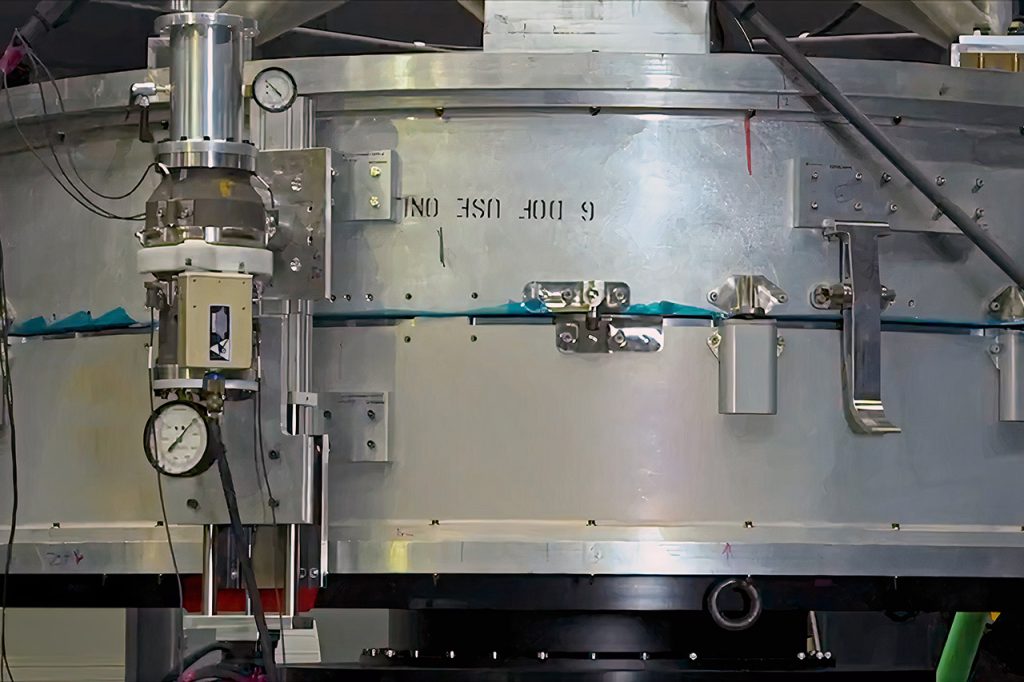
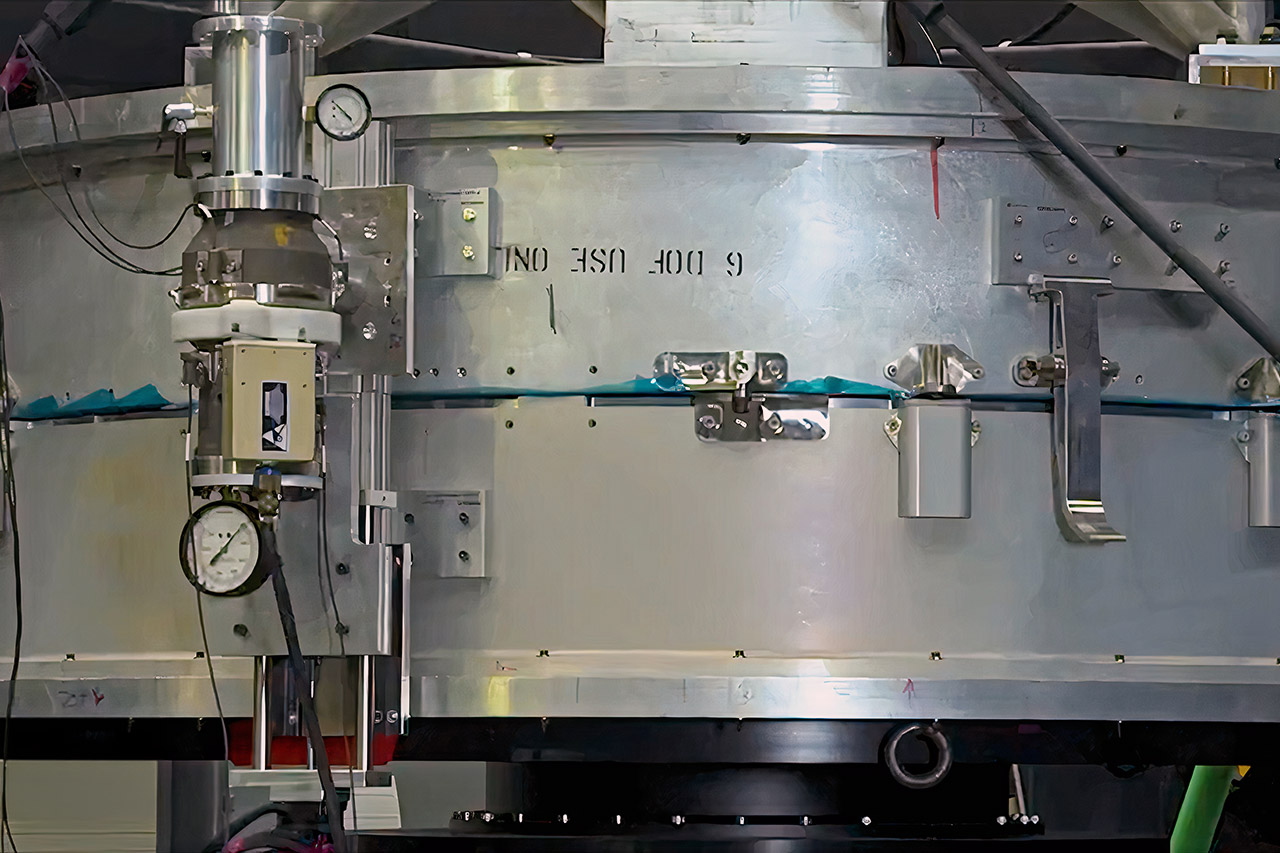
Space missions have long been constrained by the amount of propellant rockets can haul off the launch pad. NASA sees a path around that limit through refueling stops once a craft reaches orbit. Engineers at Marshall Space Flight Center in Alabama recently put a new connector through its first serious checks. The device, called a cryocoupler, would let two spacecraft link up so one can pass super-cold liquid fuel to the other while both float in space.
For @NASA’s next generation of deep space exploration missions, spacecraft may need to refuel in Earth orbit before pushing farther into the solar system.
Engineers from #NASAMarshall and L3Harris are testing a technology vital for in-orbit refueling: https://t.co/oeqGBtvzpj pic.twitter.com/4w6HErAIAq
— NASA Marshall (@NASA_Marshall) June 26, 2026
These fuels, liquid hydrogen and liquid oxygen, must remain at temperatures hundreds of degrees below zero Fahrenheit or they will convert to gas and boil away. Any major warming produces serious issues, putting extremely high demands on the seals, materials, and moving parts, much exceeding what on-ground systems ever do. The present connectors used by the Space Launch System to fill rockets are inadequate; they function properly on the launch pad but fail in space. Those connectors are one-time use only, meant to release rapidly, and are incapable of handling the vacuum, extreme temperature swings, or frequent connections required for an orbital fuel storage.

LEGO Icons NASA Artemis Space Launch System – DIY Rocket Model Building Set for Adults, Ages 18+ – Gifts…
- NASA rocket model kit – Launch into a creative project with the LEGO Icons NASA Artemis Space Launch System model building project for adult space…
- What’s in the box? – This creative building set includes everything you need to craft a multistage rocket with 2 solid-fuel boosters, an Orion…
- Features and Functions – This NASA-themed rocket model features retractable launch tower umbilicals, rocket support and crew bridge, detachable…
The cryocoupler, which was developed alongside L3Harris, aims to fill these gaps. Even when the parts aren’t perfectly aligned, it forms a reliable seal. Plus, it connects and disconnects automatically, eliminating the requirement for an astronaut to perform a spacewalk only to make a transfer. In recent experiments, the researchers passed liquid nitrogen at a frigid -321 F through it in both linked and unconnected configurations, while also tracking how the metal sections shrank from the cold and how the fluid traveled without any leaks or performance hit. A second round of tests were performed with one half of the coupler put on a robotic platform that could be shifted and rotated in all directions, while the other half remained fixed. That was a nice representation of the faulty alignments that occur during actual docking in orbit.
Travis Belcher, NASA’s cryocoupler project manager, stated that they had never done in-orbit cryogenic refueling before, as it is one of the most difficult engineering tasks in spaceflight. Getting it properly could be a game changer for all of NASA’s future missions beyond Earth. For the time being, however, the attention has been mostly on getting the thing to work. The hardware is currently in early stages of development, and the design is far from complete. Further campaigns will refine it to just what we require for our specific missions.
This experiment is part of a larger NASA effort to learn how to handle cryogenic fluids, which are required to conduct a variety of cool things in space. The Glenn Research Center folks at the Marshall group are collaborating on this. What’s good is that they can bring industry partners along for free and provide them with access to facilities and knowledge that they would not otherwise have. If this cryocoupler thing works out, it might be quite useful in planning propellant storage in Earth orbit. Consider a spaceship flying out to the Moon or Mars that meets up with a supply ship in orbit and can top off its tanks; it’s best to go with a lot more range or gear than it could carry on its own.
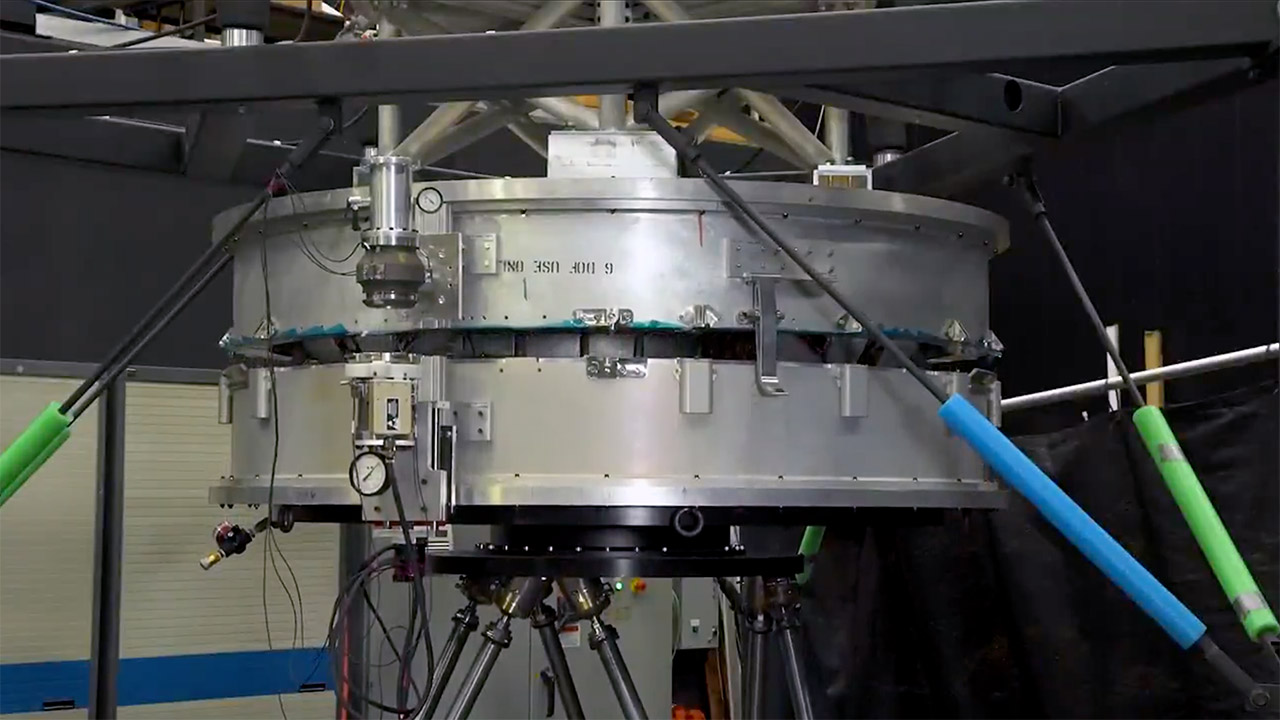
In fact, one of the main reasons NASA is working on all of this, with the idea of propellant depots and so on, is that it may really help us get to those longer-range missions. When we can send out spacecraft that can break off and refuel as needed, rather than needing to launch everything at once, we’ll be able to get serious about going to and exploring the deeper portions of our solar system.
NASA Tests Cryocoupler Device That Could Let Spacecraft Top Off Fuel Their Tanks in Orbit
#NASA #Tests #Cryocoupler #Device #Spacecraft #Top #Fuel #Tanks #Orbit