NASA’s ERNEST Rover Just Completed a 16-Mile Desert Run to Unlock Steeper Routes on the Moon and Mars
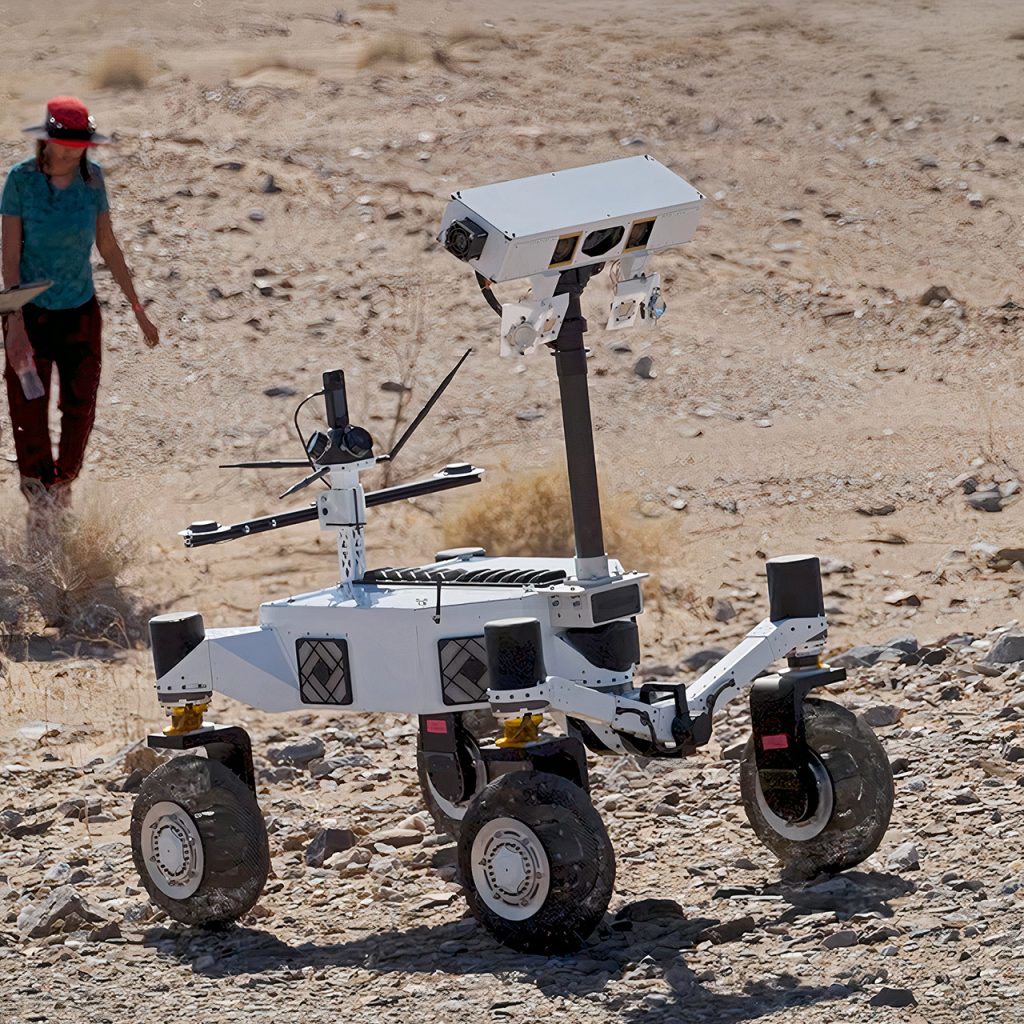
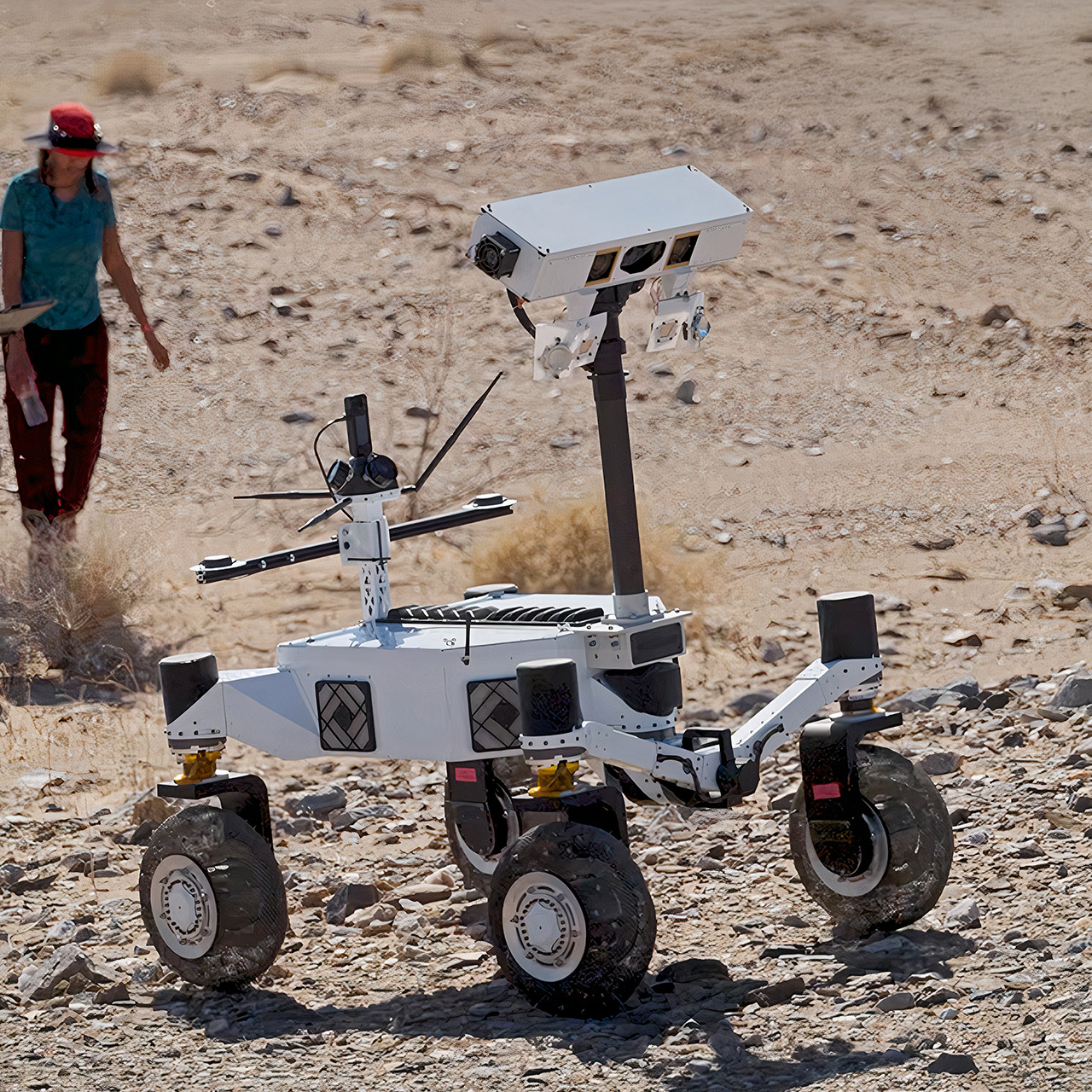
Engineers at NASA’s Jet Propulsion Laboratory sent a new four-wheel prototype, called ERNEST, into California’s Colorado Desert near Plaster City for a demanding field trial. Over 37 hours of driving time the machine covered about 16 miles while its autonomy software handled route planning and obstacle avoidance on its own. Team members stayed nearby to monitor progress but let the rover make its own decisions across daylight, dusk, and full nighttime conditions.
The expedition was a real-world test of the systems designed future missions that require not only additional distance but also the ability to navigate hills that present rovers avoid. The basic Mars design is only functional up to roughly 15 degrees in loose soil before the ball bearing on the passive rocker-bogey suspension loses traction or becomes stuck at higher angles. ERNEST stands for Exploration Rover for Navigating Extremely Sloped Terrain, and it was designed to go far beyond that limit.
Sale

LEGO Technic NASA Mars Rover Perseverance Building Toys – STEM Model Kit for Boys & Girls, Ages 10+ Years…
- Feed a passion for science and technology – Kids can learn more about the challenges of space exploration with this LEGO Technic NASA Mars Rover…
- Conduct a test flight – This advanced building kit for kids ages 10 and up includes a buildable toy version of NASA’s Ingenuity helicopter, which…
- AR brings the mission to life – The accompanying augmented reality app experience lets kids dive into the details of the rover and its mission
Work on ERNEST began in 2022 with internal JPL financing, before NASA’s Mars Exploration Program and the team in charge of determining the future of space exploration provided the necessary resources. This small rover is only a quarter of the size of another vehicle dubbed Endurance, but its key features have been proven capable of navigating crater floors and other steep terrain on the Moon, as well as higher latitudes on Mars.
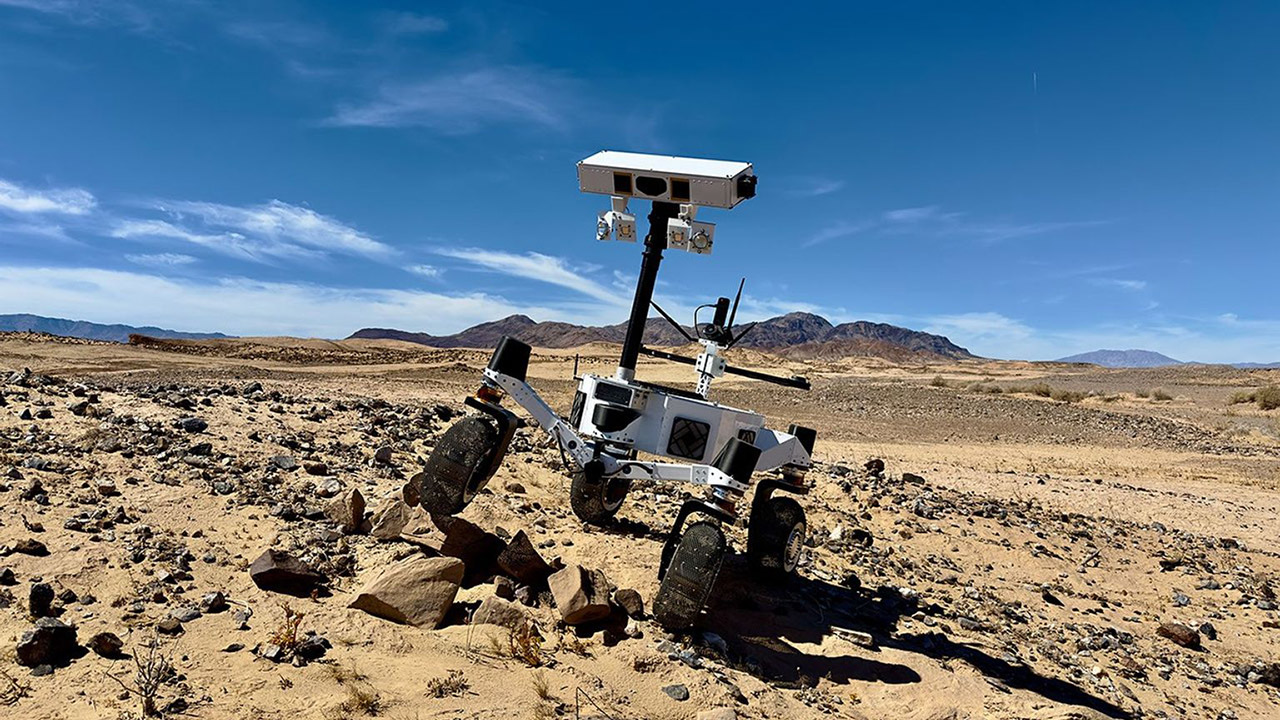
At the heart of ERNEST is an active suspension technology that uses only two degrees of freedom while providing excellent traction and stability. In passive mode, it drives like a normal vehicle; all four wheels remain on the ground, and you can pretty much drive wherever you want across rough terrain. When switched to active mode, the gimbal allows the rover to redistribute its weight, elevate individual wheels, and even wiggle its way out of sand traps that would have killed an older version. The same technology has already hauled ERNEST up slopes as steep as 35 degrees, utilizing loose material that replicates the lunar surface, and over barriers nearly as tall as the wheel.
Four independently steerable wheels make it simple to maneuver out of tight situations or make sideways motions when necessary. On difficult terrain, the wire mesh wheels are especially useful. All of the onboard computers, sensors, and controllers are local, allowing ERNEST to proceed without having to call Earth every step of the way. This level of autonomy is exactly what you’ll need on any long-distance operation with a round-trip delay that prevents real-time driving.
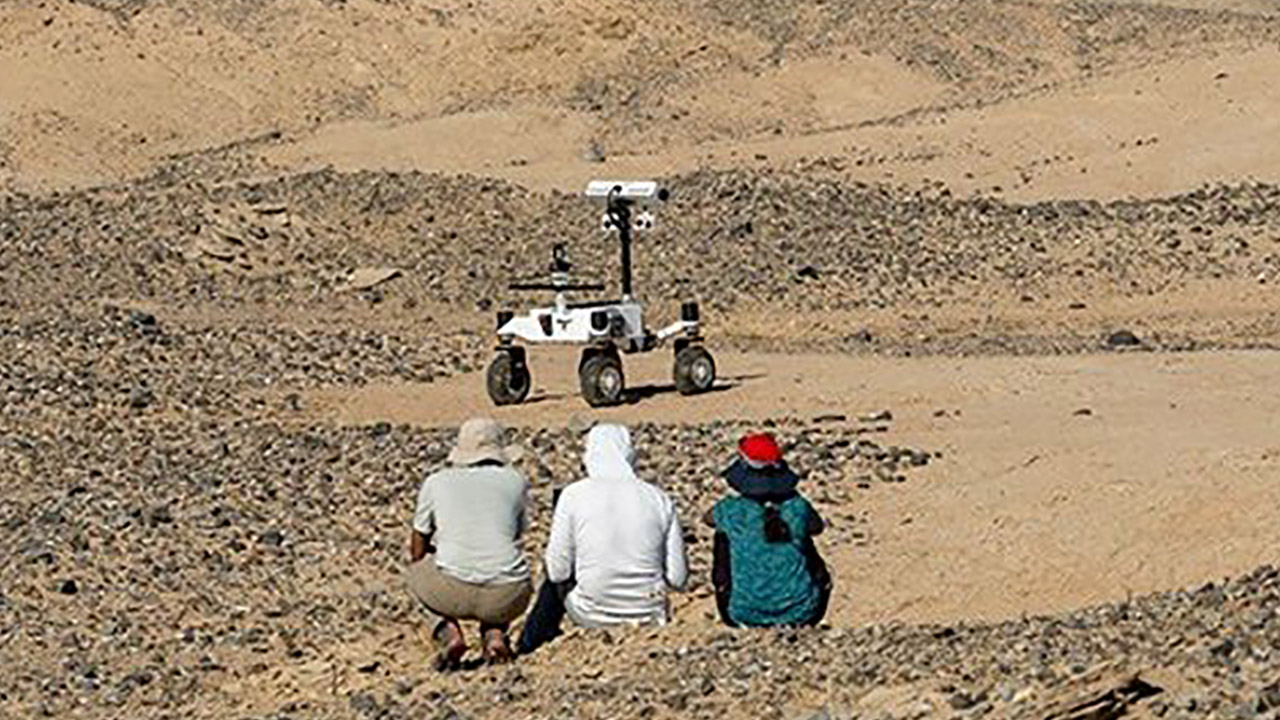
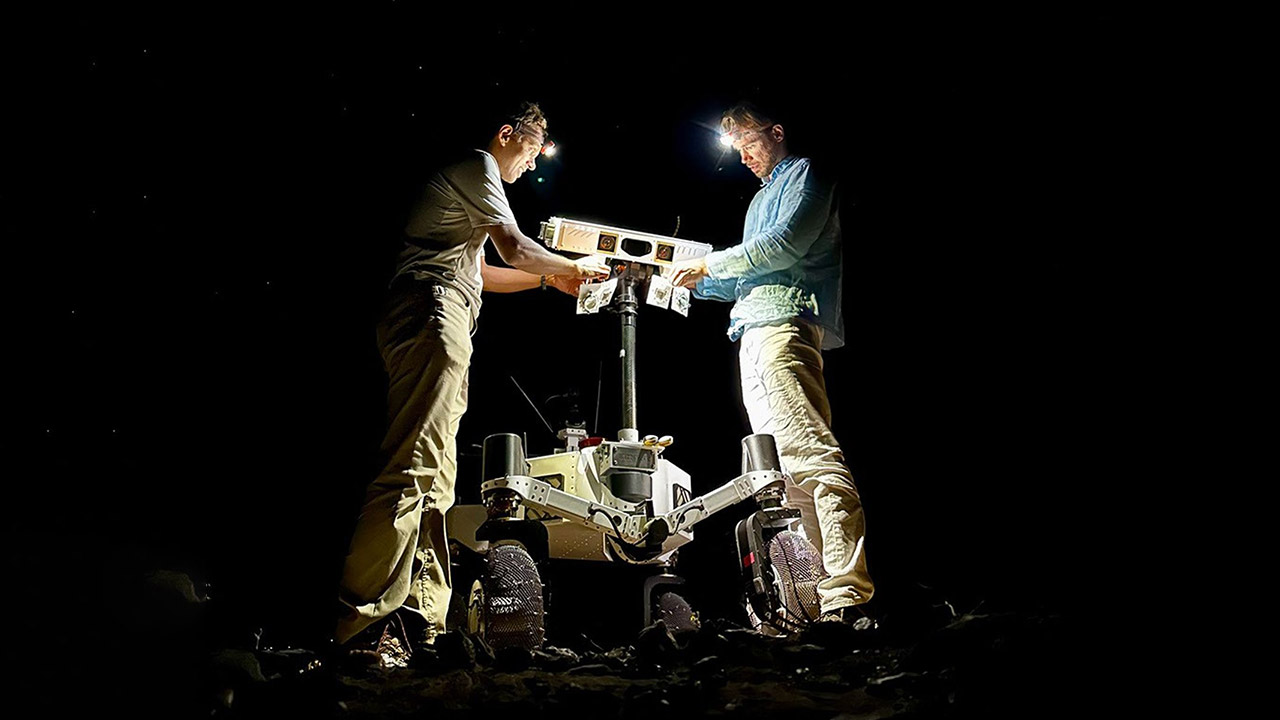
The desert test provided an opportunity to focus on the software side of things. Engineers simply released ERNEST on a pre-planned route and let it go, avoiding any risks that arose and continuing to move even when the light changed and deepened into extended shadows similar to those encountered at the lunar poles. Covering 16 miles in 37 hours of actual driving was a big deal, as it already outstrips the hesitant daily distances that current Mars rovers normally manage and points the way to the higher sustained speeds they really want. Then there was the speed it could manage, up to 1 km per hour even when dealing with steep or rocky terrain.
NASA’s ERNEST Rover Just Completed a 16-Mile Desert Run to Unlock Steeper Routes on the Moon and Mars
#NASAs #ERNEST #Rover #Completed #16Mile #Desert #Run #Unlock #Steeper #Routes #Moon #Mars