Sealed for Years, MSN’s i-Buddy USB Toy Finally Gets to Dance Again
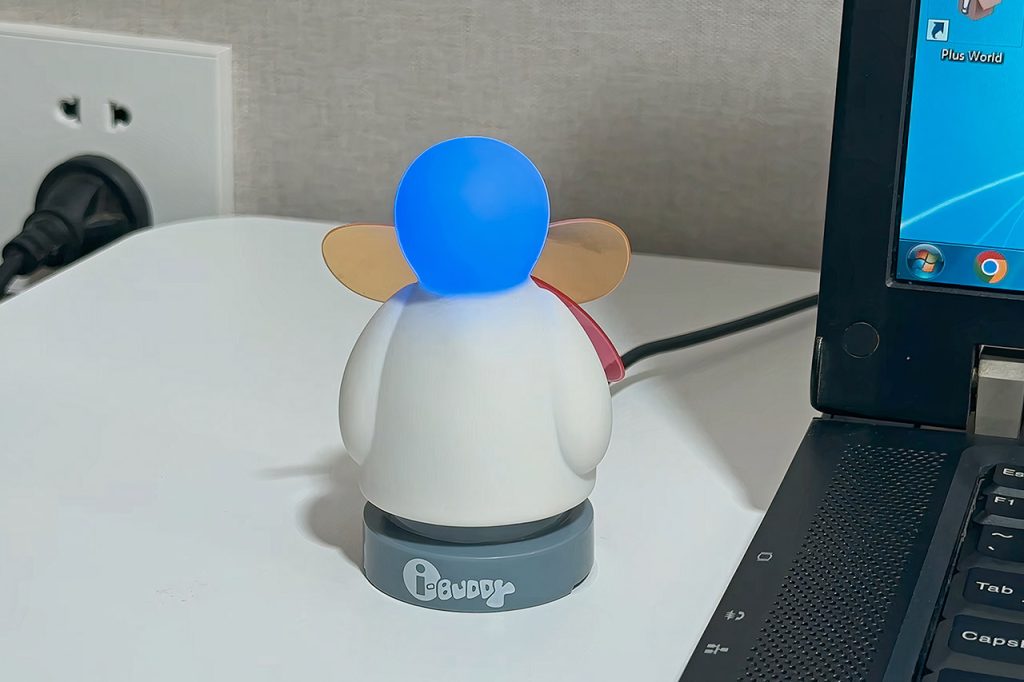
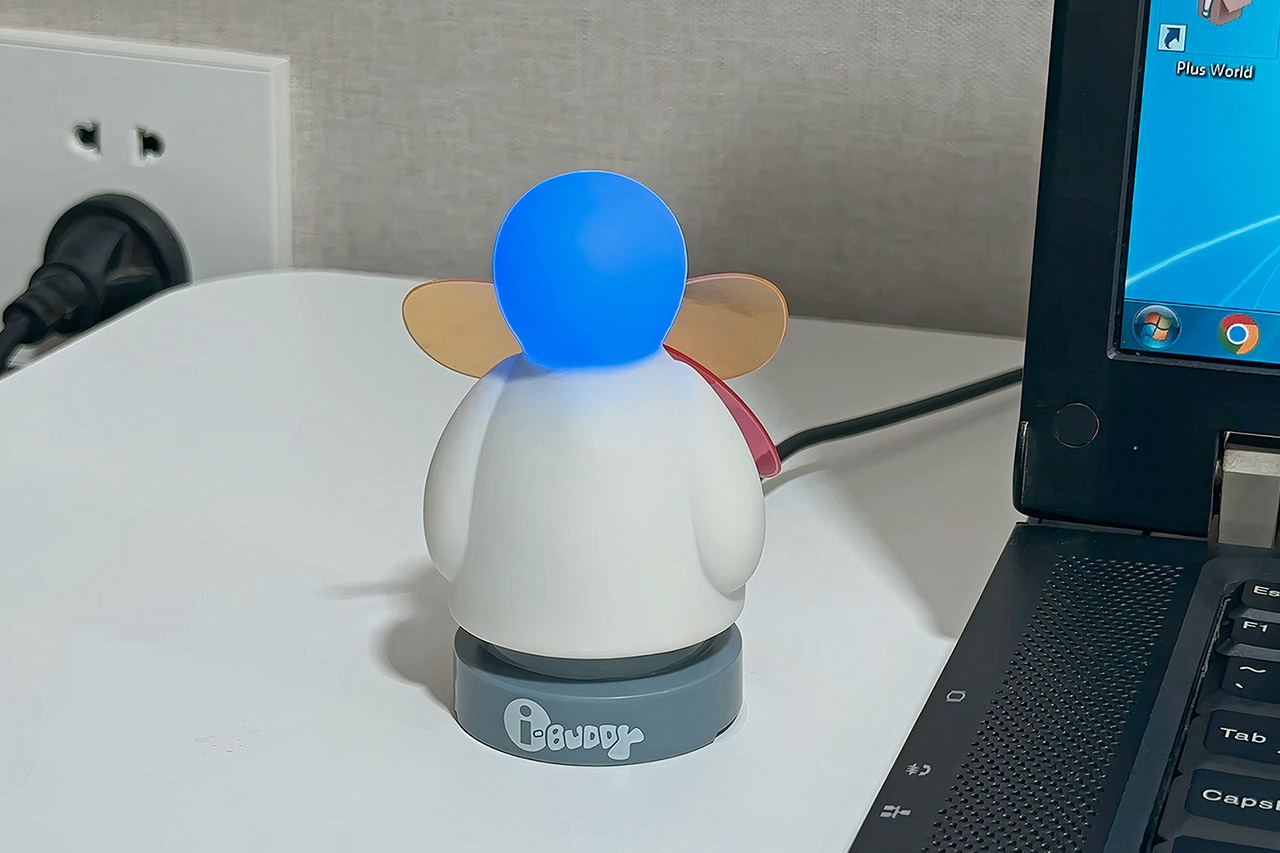
A small plastic figure sat untouched inside its original box for close to two decades. When Rayly Retro finally opened it this month, the i-Buddy looked exactly as it did on store shelves back in 2008. White body, translucent wings, a round head ready to glow, and a sturdy base that plugs straight into USB. Nothing about the hardware had changed. The real work began once the cable touched a computer.
Back then, the i-Buddy functioned as a physical extension of Windows Live Messenger. The three-inch tall figure functioned as a miniature desk mascot, reacting to conversation activities. Its head could change between seven different hues. The torso twisted left to right. A pair of butterfly-like wings swung with enough motion to attract notice from across the room. All of it responded to events within the chat window, such as new messages, nudges that shook the screen, special emoticons, or even alerts when a favorite contact came online. The heart section lit up when the status changed. The accompanying software allowed users to configure multiple animations for various triggers.
Sale

KAMRUI Essenx E1 Mini PC Computer, AMD Athlon Gold 3150U (Beats i3-10110U/N95), 8GB RAM 256GB SSD, Mini…
- Next-Gen Performance in a Compact Powerhouse: Meet the KAMRUI Essenx E1 Mini PC—powered by the AMD Athlon Gold 3150U processor (2 cores / 4 threads…
- High-Speed Memory & 2TB Expansion: Equipped with 8GB High-Frequency DDR4 RAM and a fast 256GB M.2 SSD. Features one M.2 2280 slots (Support M…
- Dual 4K Display Support – The Essenx E1 Mini Desktop PC delivers what most entry-level mini PCs can’t: simultaneous output via HDMI…
Microsoft discontinued the original Messenger service in 2013. Most of the eccentric accessories that originally accompanied it have faded into memory or ended up in storage bins. New old stock, such as this sealed i-Buddy, has become rare. Finding one remaining in its packing was like unearthing a time capsule. Rayly Retro wanted to see the figure move again within an authentic Messenger setup. This requires recreating the whole 2009-era experience rather than forcing new fixes. The chosen platform was a Windows 7 machine, which might be a vintage Sony all-in-one or a ThinkPad running 32-bit Windows. Windows Live Messenger 2009 came next. The official servers are no longer available, but the Escargot project filled the void. Its patched client and alternate backend enabled the old software to sign in and exchange messages as it had years ago. Accounts created with Escargot function similarly to regular Hotmail-linked Messenger contacts.
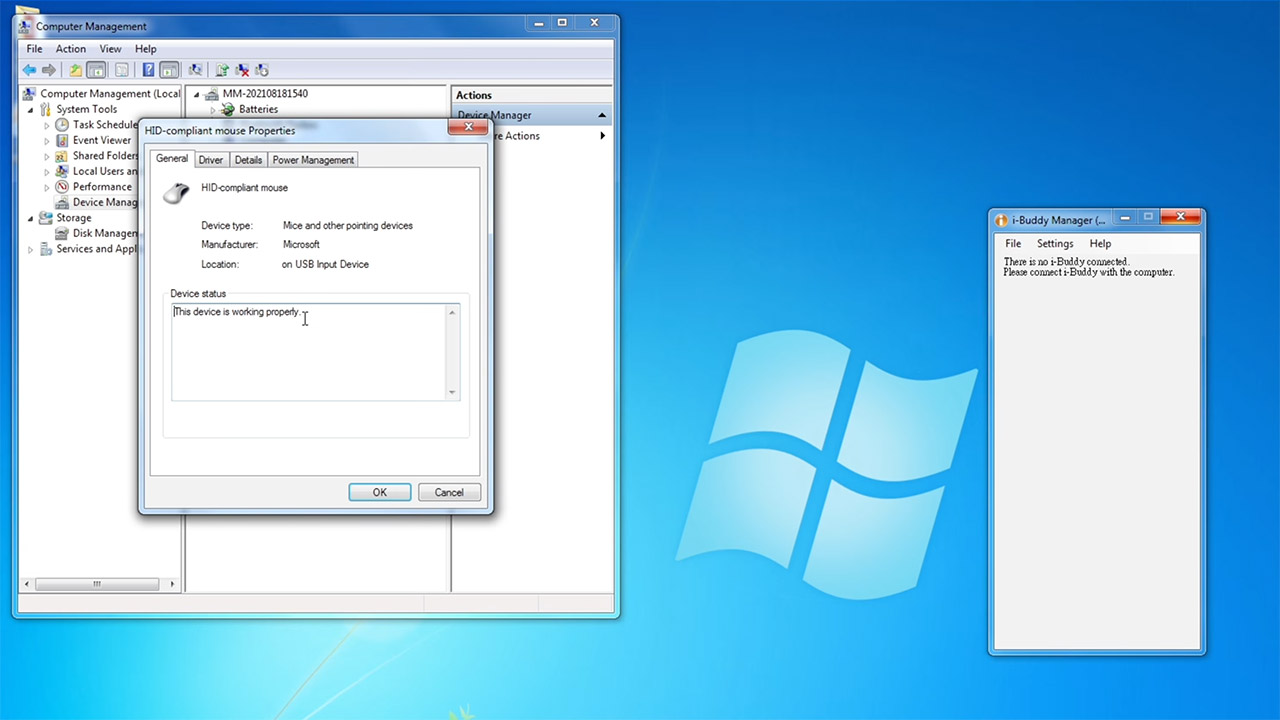
The bigger challenge was with the i-Buddy itself, as the software that came with the original CD failed to work on Windows 7. Compatibility checks, reinstall loops, and architectural mismatches (64-bit versus 32-bit) all became apparent immediately. A check of ancient forum archives revealed version 2.10 of the i-Buddy control software. That build ultimately detected the device and communicated with Messenger. The figure is a regular USB HID peripheral, thus Windows manages the low-level connection without the need for additional drivers. The application layer merely required the appropriate version to remain stable.
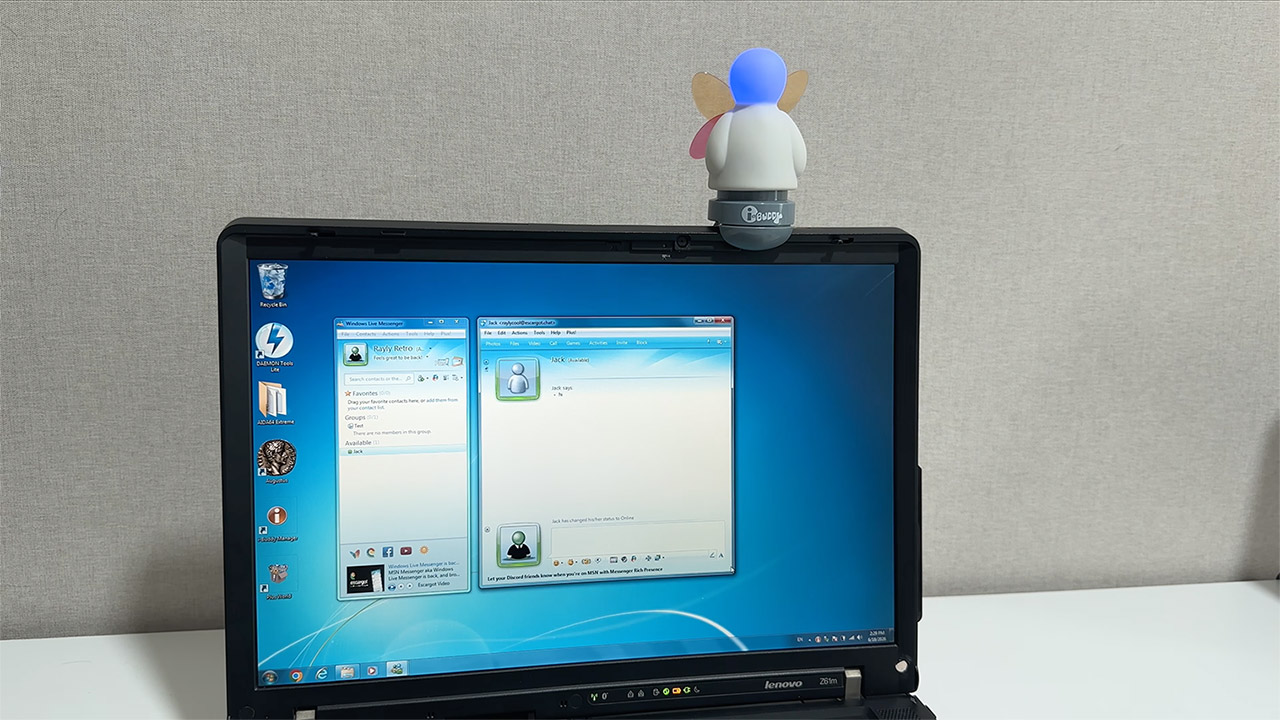
Once the parts were in place, testing began, and a message appeared in the resurrected Messenger window. The i-Buddy answered instantly. Its head is lighted in color. The torso rotated. The wings beat numerous times. Nudges and emoji-triggered events generated separate motions and light patterns, as envisioned by the original design, and the entire sequence seemed untouched since the late 2000s.
[Source]
Sealed for Years, MSN’s i-Buddy USB Toy Finally Gets to Dance Again
#Sealed #Years #MSNs #iBuddy #USB #Toy #Finally #Dance