Tadej Pogacar’s full circle moment at Vuelta a Espana shows how he’s redefined cycling
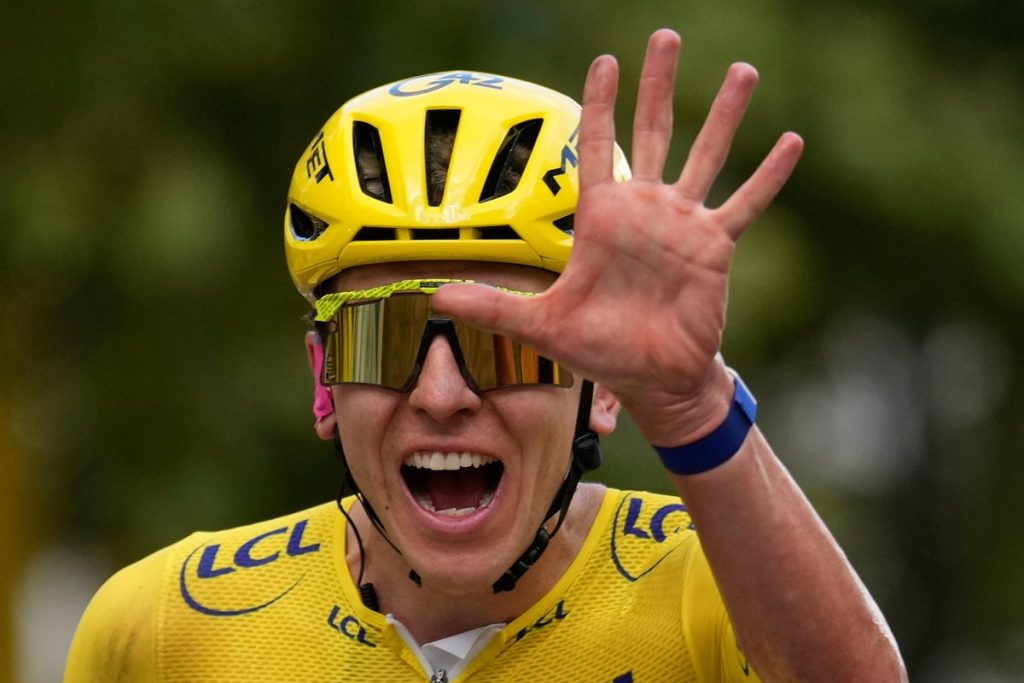
Tadej Pogacar’s quest to complete cycling continues. Fresh from his record-equalling fifth Tour de France victory, a triumph so routine that he had the time and inclination to spend two Alpine stages looking after teammate Isaac del Toro’s podium chances rather than his own, Pogacar is set to return to the Vuelta a Espana for the first time since 2019.
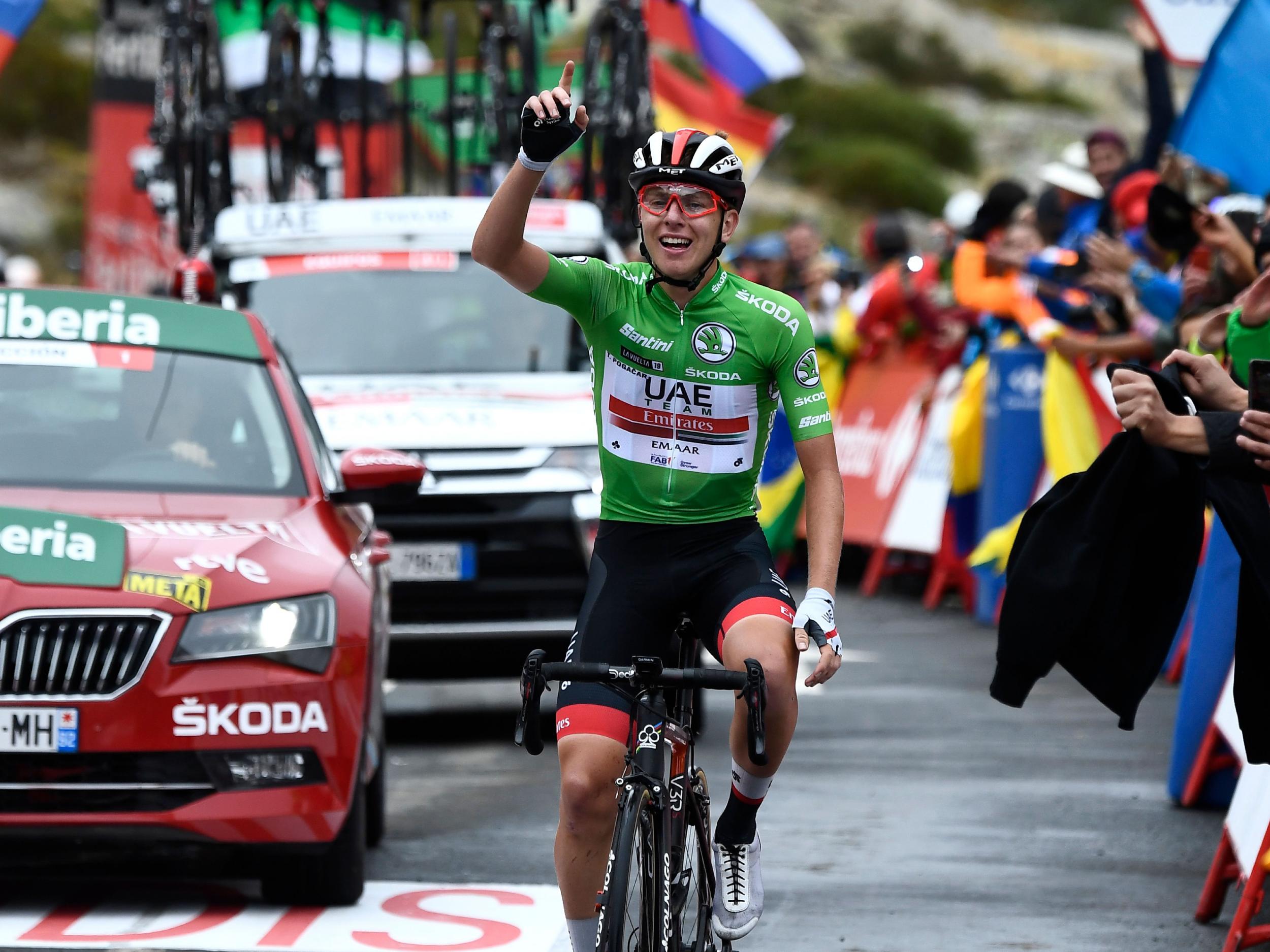
At the time, the young Slovenian was relatively unknown, but that Vuelta – his debut grand tour – set him on the path to his era-defining dominance: three stage wins, the best young rider’s jersey, and third place overall made the world sit up and take notice. UAE Team Emirates fast-tracked him to the Tour de France the following year, where he won the first of his five titles (and counting) with an incredible raid on the penultimate day’s time trial.
Seven years on, his return to the Vuelta marks a full circle moment for the Slovenian. Even with fatigue in his legs from the Tour, it would take a genuine miracle from another rider on the startlist – which does not currently have much in the way of wow factor – or serious misfortune, like what befell Jonas Vingegaard in this year’s Tour, to stop him winning a seventh grand tour title and first in Spain.
In doing so, Pogacar would join an exclusive club of just eight riders to win all three grand tours over the course of their careers. Only three riders have ever won the Tour and the Vuelta in the same season – predictably legendary names in Jacques Anquetil, Bernard Hinault and Chris Froome – but Froome, in 2017, is the only to have achieved the feat since the Spanish grand tour moved to its current September slot.
Pogacar riding the Vuelta has felt inevitable for a while. Doing it this year makes sense: 2024 would possibly have felt a step too far, even for him, after winning the Giro and Tour and with the target of a first rainbow jersey more important; last season the chance to win on the toughest World Championships course in history was too big an opportunity to pass up.
He is mercilessly ticking off the sport’s biggest races. Winning Milan-San Remo earlier this year, after a series of near-misses, was an enormously cathartic moment for him, while it left just the Vuelta, Paris-Roubaix and the Olympic road race as gaping holes in his resume.
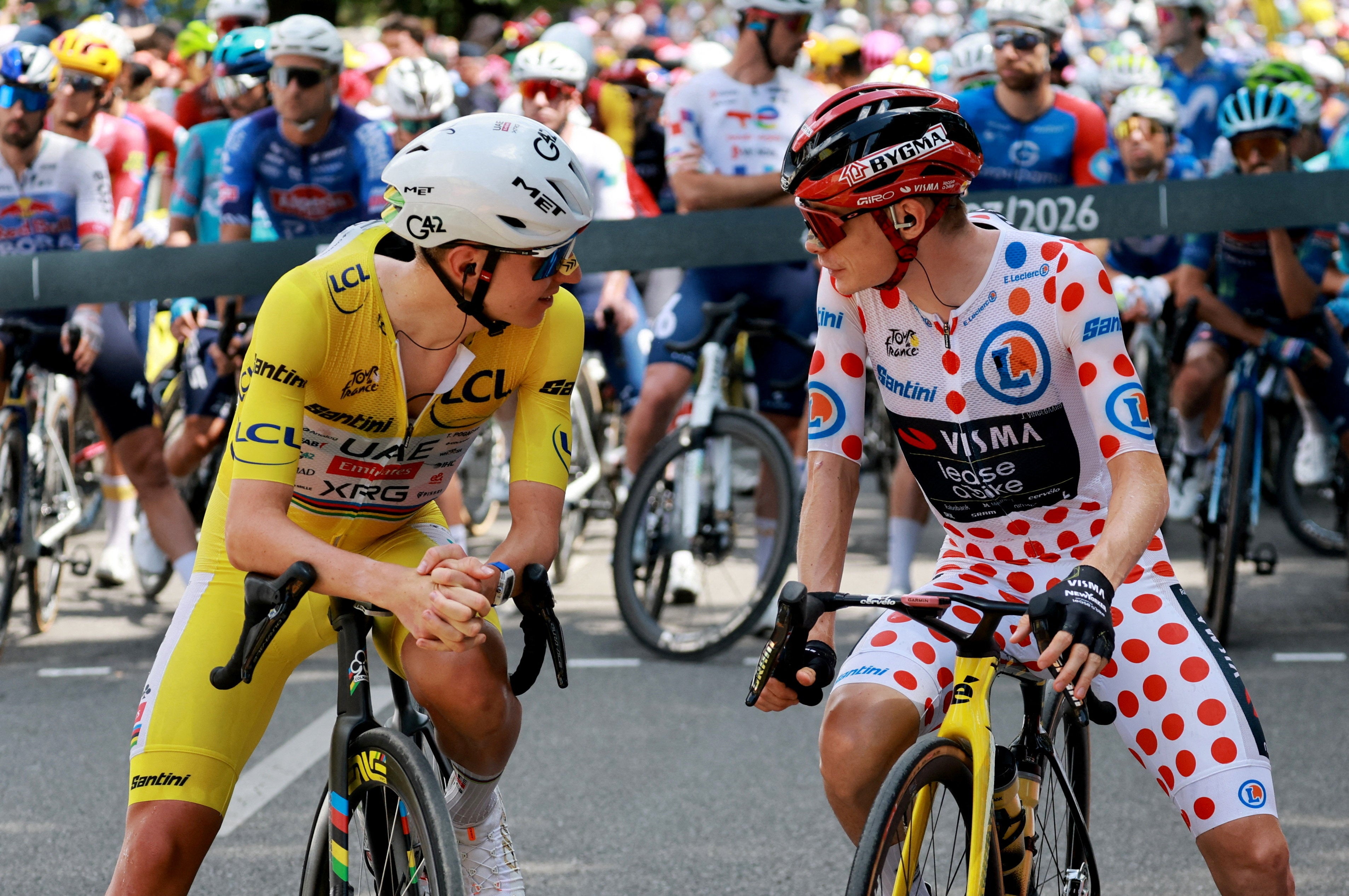
It feels significant, too, that the 27-year-old is aiming to win the race a year after Jonas Vingegaard won his first maillot rojo and a couple of months after the Dane completed the grand tour set too, with victory in the Giro. The pair’s rivalry, once one of cycling’s most thrilling, has been entirely one-sided for the last two seasons, but it appears to retain some significance for Pogacar, who paid tribute to him as a “friend” and “teammate” after he crashed out of the Tour.
Vingegaard will not be back on the start line in Monaco to defend his title, making Pogacar’s likely victory seem even more nailed-on. Currently the start list features riders who have pedigree but are not of Pogacar’s calibre: Mattias Skjelmose, who came sixth in the Tour after one of the best rides of his life; Giro runner-up Felix Gall; and Primoz Roglic, the winner of a record-tying four Vuelta titles, who is now 36 and was recently hit by a car in training.
The competition is hardly threatening, the course suits Pogacar and the small gap between the two races means he should still carry some form into it, with only light training in between to avoid too much fatigue. He will arrive in Monaco having done just 37 race days this season and presumably go from the Vuelta to the World Championships road race in Montreal two weeks later.
A third straight rainbow jersey would see him match another great, Peter Sagan, and is another significant target, while the Worlds parcours this year is less brutal, and would lead nicely into his bid for a second European title in succession, this year on home roads in Ljubljana and on a course – obviously – tailor-made for him. It seems likely that he will continue this pattern, of racing a small but highly targeted calendar, until he runs out of enthusiasm for the sport. At the moment, while there remains history to be made, it seems there is still fuel in the tank.
It is objectively good for the sport that Pogacar is redefining what it means to be a complete cyclist, targeting grand tours and one-day races in equal measure and according equal importance to all of the sport’s major races. But it does mean that the Wikipedia page of annual winners across the sport gets rather samey, and it saps the will of other teams. Lotto-Intermarche made their feelings clear as the Vuelta triumphantly hailed Pogacar’s return, the despotic king on his way to conquer yet more territory.
Surely what remains for him next – and was mooted in 2024 – is to try to win all three grand tours in the same calendar year, a feat which has never been achieved.
Such is Pogacar’s dominance and the ease with which he wins races that the concept of riding the Vuelta entirely on fumes, having claimed the Giro and Tour already, may well appeal; the equivalent of riding it with a handicap, or Usain Bolt giving his rivals a 15-metre head start.
Having ticked off every existing feat in cycling, we’re rapidly approaching the time when Pogacar will have to start creating entirely unimaginable ones, as he redefines the boundaries of the sport on his way to becoming, indisputably, the greatest of all time.