The concerning conclusion behind the Rugby League World Cup’s broadcasting shambles

Want to bookmark your favourite articles and stories to read or reference later? Start your Independent Membership today.
Already a member?
Log in
As we move quickly towards the conclusion of the group stage at the 2026 edition of the Rugby League World Cup, there is plenty of exciting surrounding a number of crucial match ups between England and Papa New Guinea, New Zealand vs Fiji and Tonga vs Samoa, but it’s hard not to lament what could have been.
Ask a stranger on the street in the UK how they think the Rugby League World Cup is going and the response, more often than not, will be along the lines of ‘I didn’t even know it was going on’.
And that is from my own experience living in the north of England in what are rugby league’s heartlands. The population here love the sport and following a record-breaking domestic season, in terms of attendance and engagement, they were well set for a month of international rugby with the highest prize on the line.
So, why then is there an overwhelming feeling of indifference?
The most obvious factor to point to is the lack of access. Four years ago, the Rugby League World Cup rights were held and broadcast in the UK on the BBC and the free-to-air coverage they provided was rewarded by record-breaking views.
More than 18.7m viewers tuned in, watching on television or online, before the semi-finals were even played making the tournament – which combined the men’s, women’s and wheelchair competitions into one broadcasting block – a massive success.
In that tournament, England’s quarter-final against Papa New Guinea peaked at 1.7m viewers while their opening match against Samoa hit a high of 1.8m views. Yet two matches into the 2026 edition and we don’t have a sense of how the tournament is being received in the UK as it has been locked behind the paywall of Premier Sports.
To give them credit, they took up the broadcast rights after the BBC opted against them. The reasons for the BBC’s decision are plentiful with the corporation under constant pressure due to the nature of the licence fee as well as being forced to make spending cutbacks. Added to that is the fact the tournament is being played in Australia and New Zealand, meaning the timings of the games, usually in the very early hours of the morning, are not conducive to attracting large audiences such as those seen in the 2022 edition which was held here in England.
But it is still disappointing that a sport, which is growing in popularity, isn’t given the same level of opportunity to attract new audiences. Using in-person attendance at games, rugby league is the one of the five most popular sports in Britain behind football, of course, but closing in on the likes of rugby union and horseracing whilst being alongside cricket. Putting the World Cup on free-to-air television or even one of the more familiar broadcasters like Sky Sports or TNT Sports could have provided a platform to gain more fans and grow support for the game.
But that seems to be the antithesis of what the powers that be want.
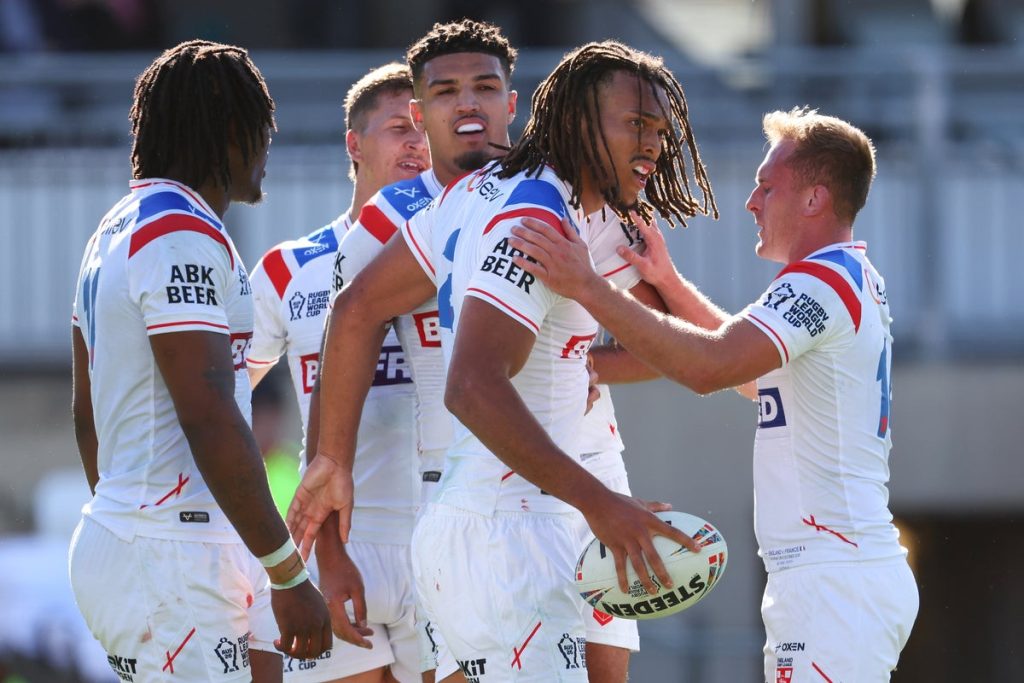
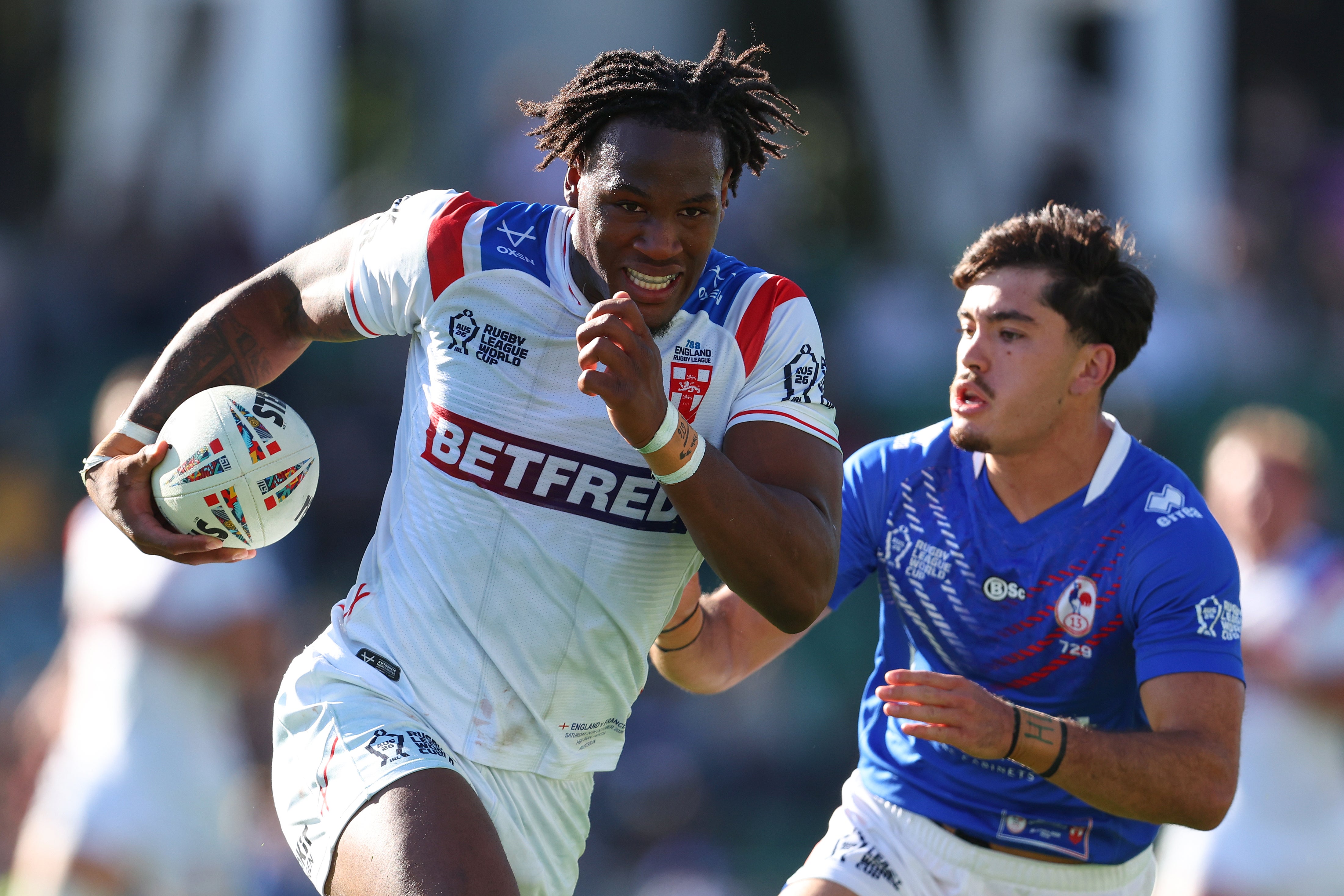
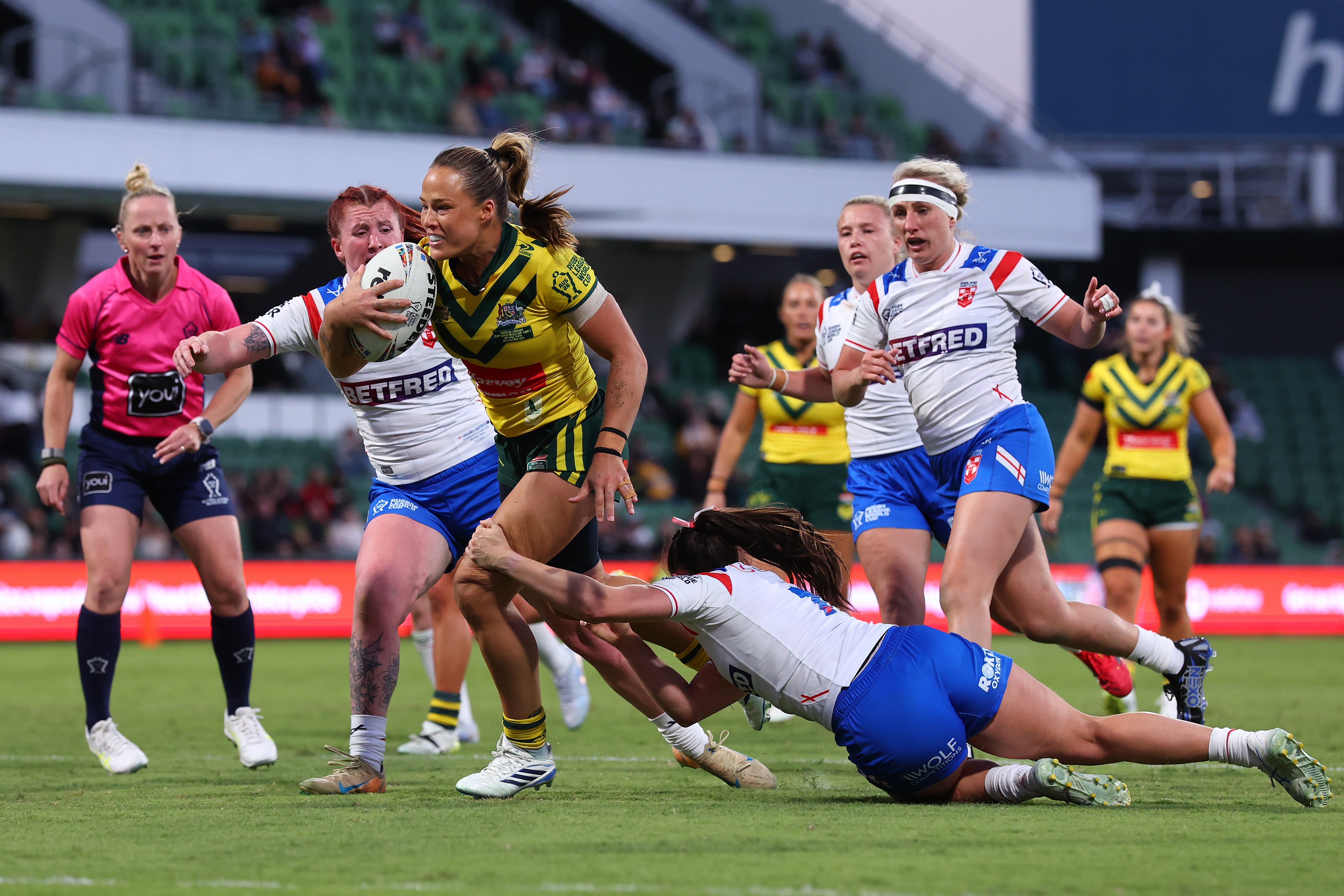
Culture Secretary Lisa Nandy – a self-professed Wigan Warriors fan – had to express her disappointment in the tournament’s broadcasting schedule before the BBC agreed to even carry a highlights package. For context of what that looks like, England men’s 82-0 victory over France is reflected in a three minute, two second video while England women’s 78-0 loss to Australia clocks in at just two minutes 54 seconds.
On the domestic front, rugby league’s premier competition Super League, which just concluded a landmark season in terms of viewership making it the highest-attended regular season in its history, is losing its primary sponsor Betfred at the end of the year and Sky Sports’ current broadcast deal will run out and is unlikely to be renewed.
Why? Is it just down to the cost of broadcasting the games?
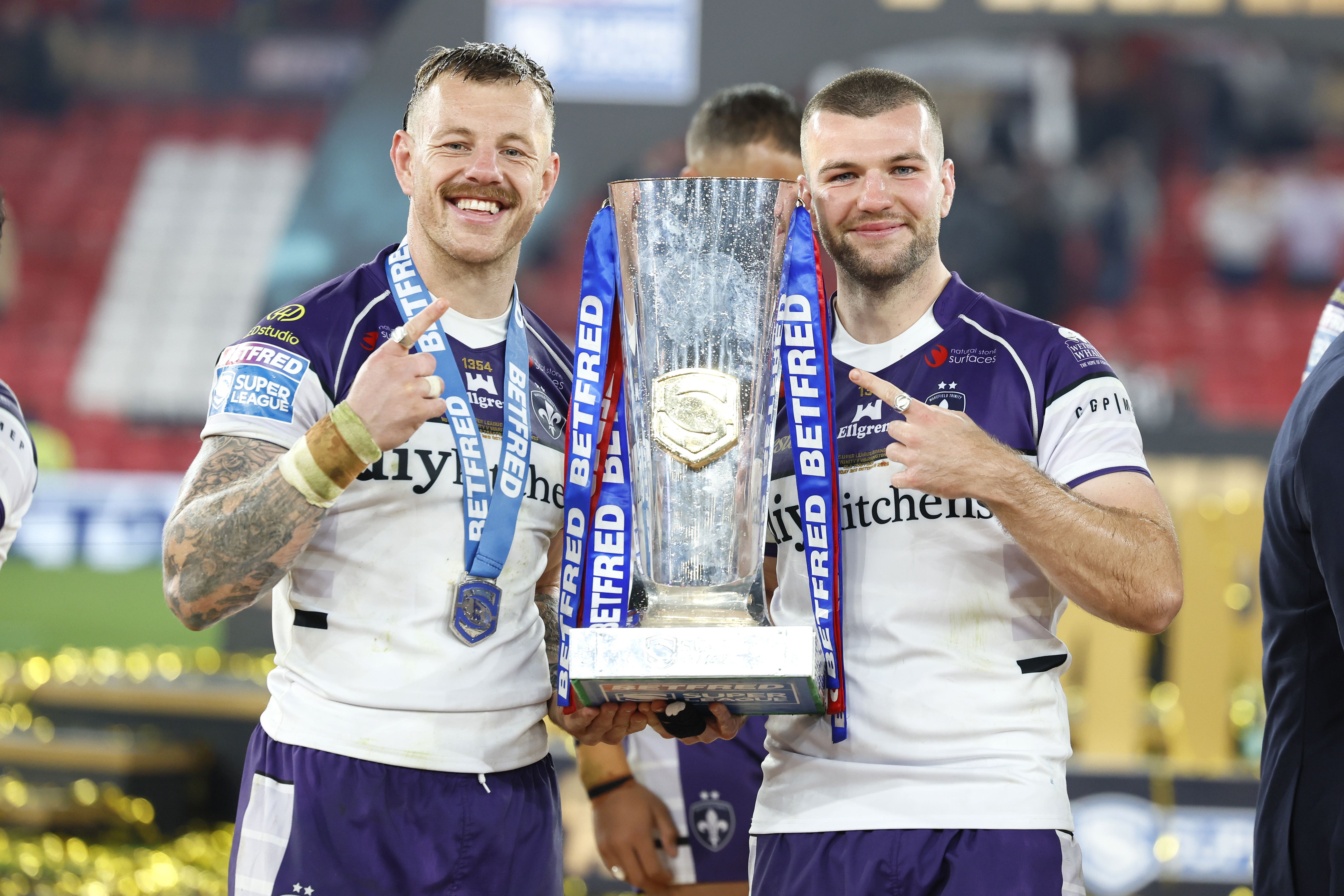
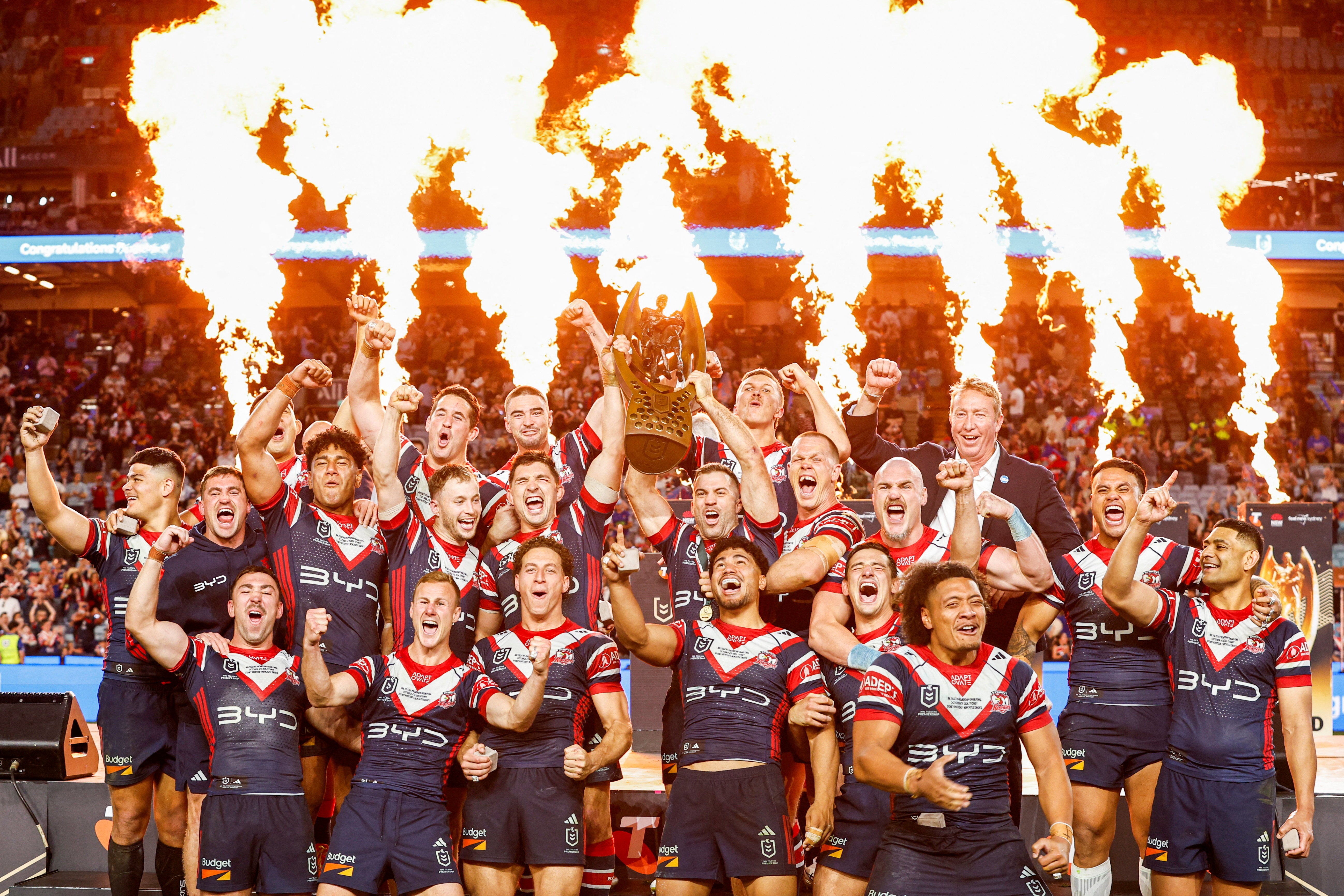
It can’t be down to the fact that the sport is gripped by a unique interest from towns across the M62 corridor as signs show it is as popular as ever and is branching out into other regions with two French teams, Toulouse and Catalan Dragons, now firm fixtures in the league.
You need only look at Australia’s equivalent, the National Rugby League (NRL), to see its potential. In July, the NRL signed a seven-year TV deal worth around £2.78bn and over the weekend more than 120,000 fans flocked to the stadiums to watch the World Cup matches in person. That’s on top of 3.29m viewers for the World Cup opener which saw Australia narrowly beat New Zealand 24-22.
Given more backing, more support and more airtime can only be a positive thing for rugby league in the UK but the reluctance to champion it is frustrating. It’s also a feeling not just reserved for rugby league but for every sport outside of football.
And therein lies the problem. Failing to back sports like rugby league, such as making the World Cup accessible on free-to-air TV, means we are all one step closer to losing them entirely and when that happens, we’ll only have our memories to fall back on.
“Remember when England hammered France at the World Cup?”
“No, I couldn’t afford to watch it on TV.”