Vectis Drone Times Five, Lockheed Martin’s Skunk Works Builds a Fleet Before First Flight
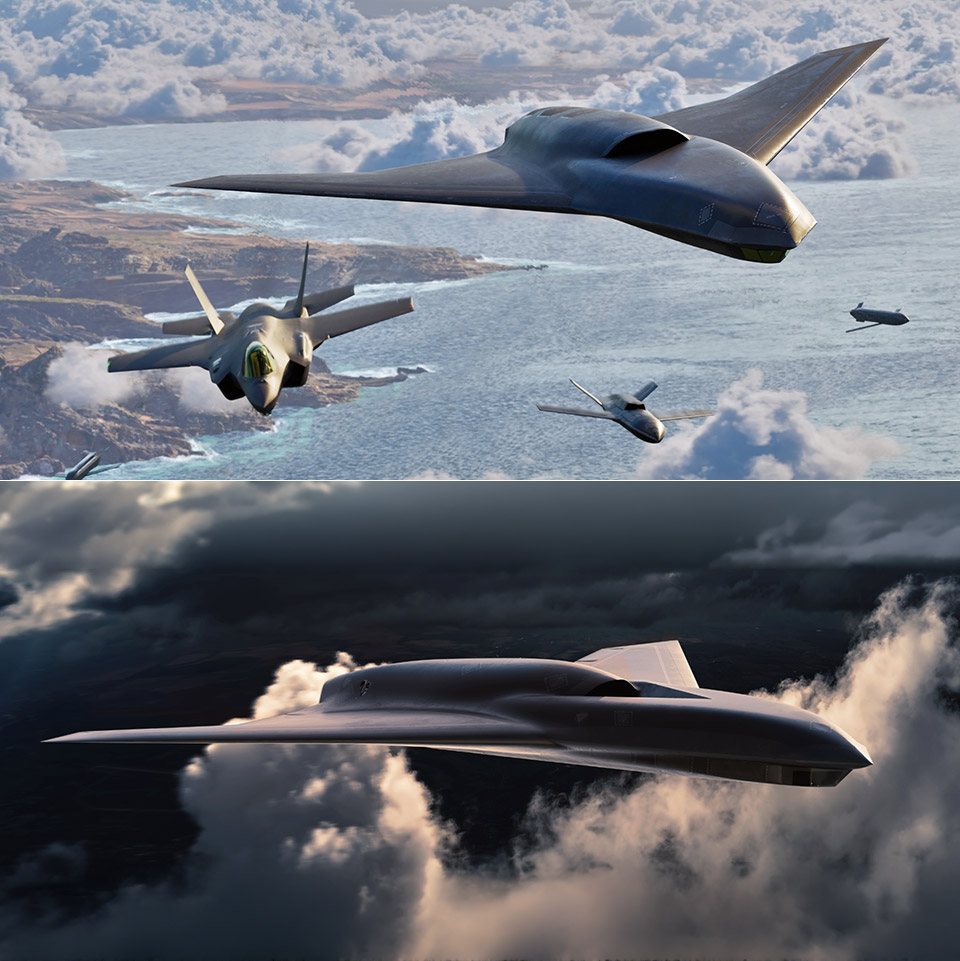
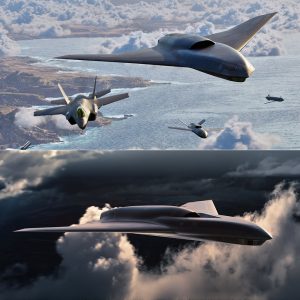
Lockheed Martin’s Skunk Works just decided one flying prototype is not enough. This week at the Air, Space & Cyber Conference in National Harbor, Maryland, the company said it will build four more Vectis collaborative combat aircraft on top of the airframe already taking shape, for a planned test fleet of five. First flight remains aimed at the end of 2027, and the extra jets are already in work.
Ron Fehlen, vice president and general manager of Skunk Works, framed the move as a response to conversations with U.S. and allied customers who want a survivable, multi-mission uncrewed jet that can fly alone or with crewed fighters. “We’re leaning into that demand, making a strategic investment to accelerate Vectis’ progress and maturity through an additional four vehicles,” he said. Those later airframes are meant to fly sooner than the first one, giving testers more airplanes while the factory proves it can actually build them at speed.

DJI Mini 4K, Drone With 4K UHD Camera, Under 249 g
- No Registration Needed – Under 249 g, this drone with camera for adults 4K does not require FAA registration or Remote ID for recreational use. Visit…
- 4K Ultra HD & 3-Axis Gimbal for Cinematic Quality Shooting – Capture stunning moments in any light—sunrises, sunsets, and night scenes with…
- 38kph (Level 5) Wind Resistant – This drone for adults has a stable flight even in Level 5 winds. Brushless motors enhance power and allow takeoff at…
Vectis, a Group 5 unmanned combat aircraft, is impressively large, weighing well over 1,320 pounds. Designed to fly high, typically above 18,000 feet, its dimensions are promising: 34 feet in length and a wingspan of 38 feet, which is just slightly less than an F-35’s wingspan but nearly the length of a MQ-9 Reaper. One prominent characteristic is the lack of a tail, which allows for a Lambda-shaped wing and a shovel-nosed front section focused on stealth and reduced drag. Plus, it’s all built atop a body that has been meticulously designed to be as unobtrusive and drag-free as possible. For the first time, a full-scale model was seen sitting at a conference, while additional photographs showed the first prototype coming together, with upper and lower fuselage skins, a lower wing skin, and some supporting structure being built from a computer model.
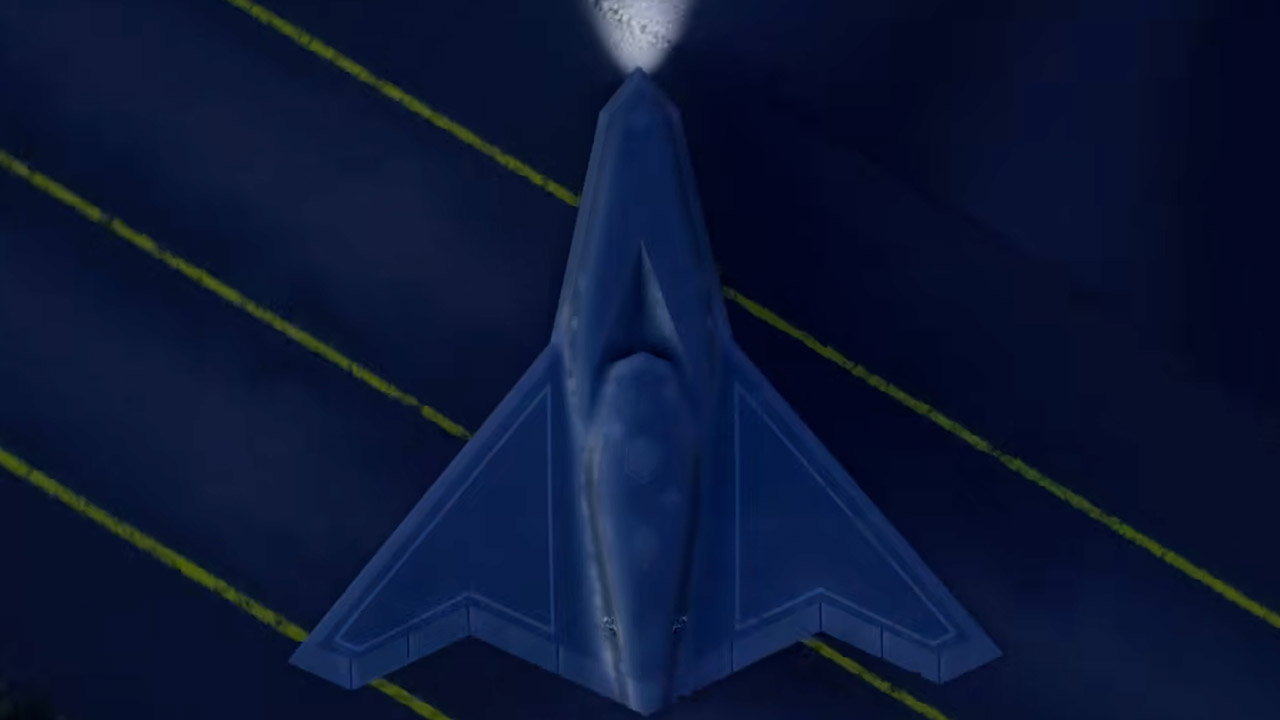
The intake is without a doubt the most significant design reveal this week. Vectis now displays a rather camouflaged top-mounted intake, neatly buried behind a downward-sloping V-shaped channel, feeding into an S-shaped duct, and the exhaust is also shrouded. According to Fehlen, this intake design has been planned from the beginning. It minimizes frontal drag, which should significantly improve the aircraft’s range and performance, and it also keeps the engine intake out of the way of debris on poor airport strips. A faceted enclosure beneath the nose houses a nice electro-optical and infrared turret capable of fitting compact radars, infrared search-and-track gear, conformal antennas, and sensor patches, all of which are now tucked into revised spots on the fuselage, compared to last year’s drawings.
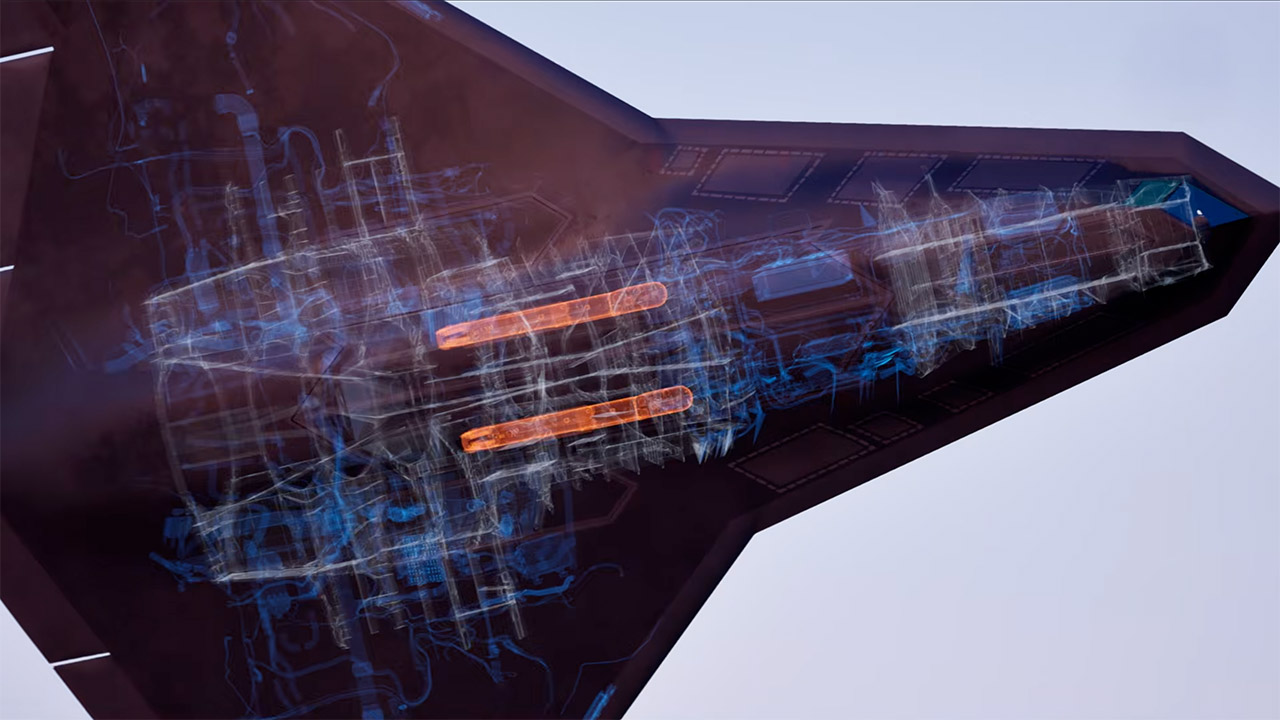
Weapons, of course, remain securely within the aircraft, as evidenced by footage of a fairly stealthy elongated bay door that opens to allow in at least two stores. One of the shots shows it launching an AIM-120 class air-to-air missile, while another shows it dropping a couple of GBU-53/B Small Diameter Bomb IIs. That has to be an interesting combination of air-to-air, air-to-ground, precision attacks, targeting, electronic warfare, and counter-air, whether as part of a wingman or solo mission. One of the main selling features is the open architecture, which allows additional sensors and software to be added without the need for a complete redesign.
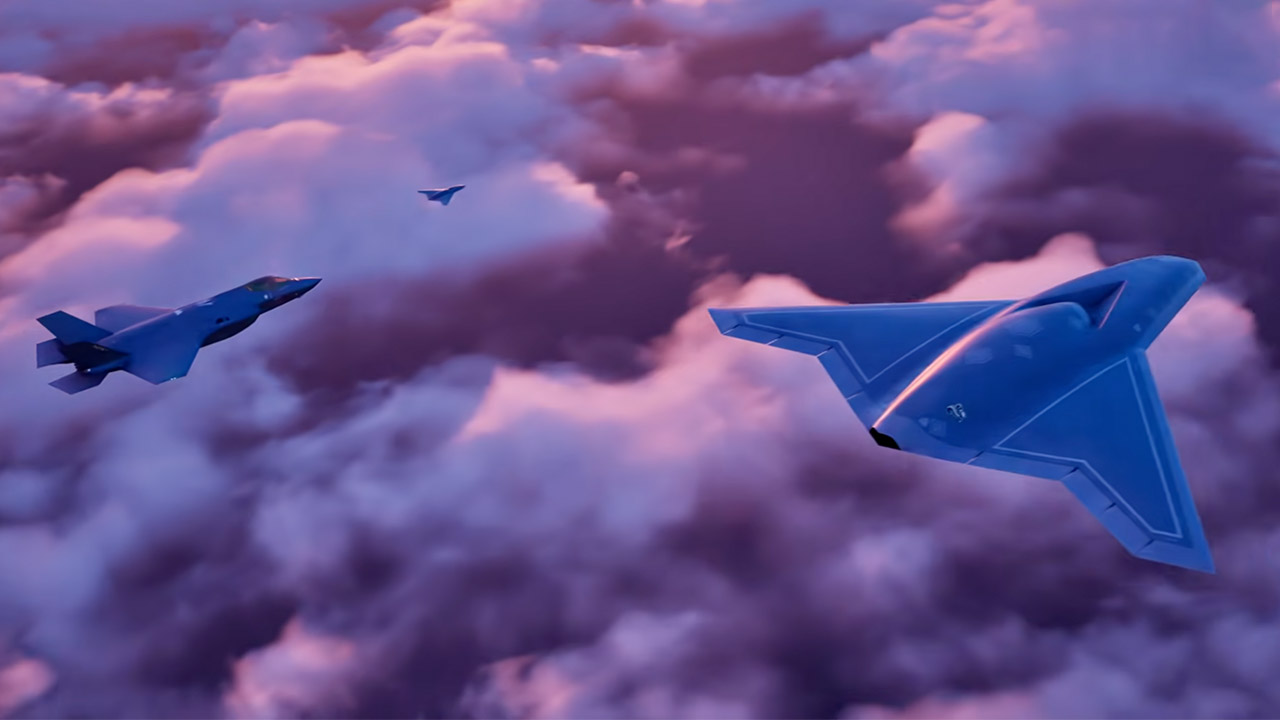
The first prototype will be powered by a Williams FJ44 turbofan, a modest commercial-derived engine utilized in a few previous collaborative combat aircraft and capable of producing 3,600 pounds of thrust. Skunk Works is already investigating into a higher-thrust alternative for future aircraft, just to see where technology takes us. On the autonomy side, they’re drawing from the same family as used in the Navy’s MQ-25 Stingray work, as well as a lot of earlier autonomous intercept flying on the X-62A test aircraft, and on the crewed side, you can expect cockpits from the F-35 and F-22 with tablet-style controls rather than a full ground station needed for every single mission.
Vectis Drone Times Five, Lockheed Martin’s Skunk Works Builds a Fleet Before First Flight
#Vectis #Drone #Times #Lockheed #Martins #Skunk #Works #Builds #Fleet #Flight