Xiaomi 18 Pro and 18 Pro Max Land in China With Dual 200MP Leica Cameras, Rear Screens, and a Hardware Privacy Display
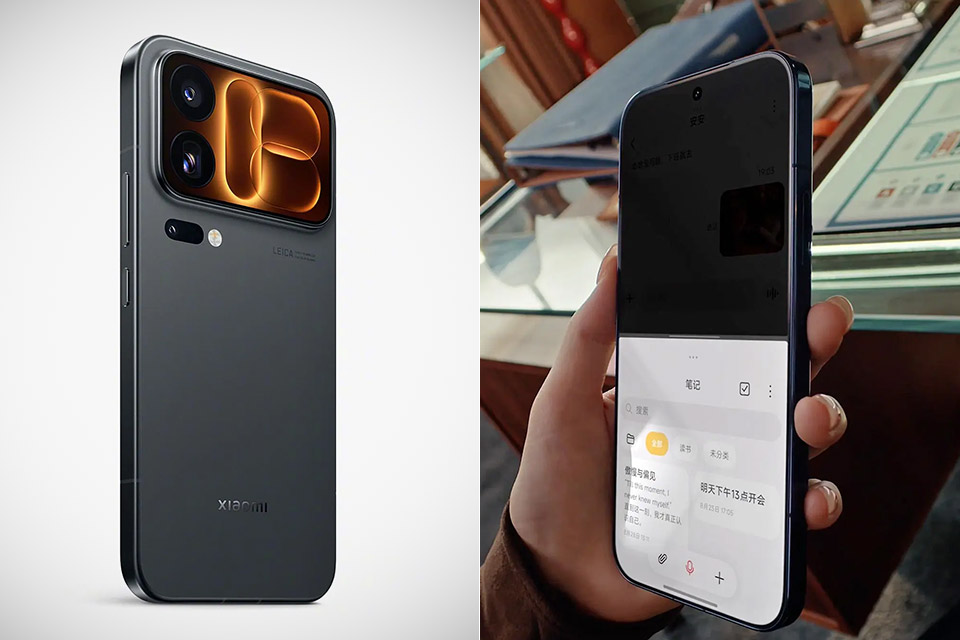
Xiaomi opened sales of the 18 Pro and 18 Pro Max in China today, pairing Qualcomm’s new 2nm Snapdragon 8 Elite Gen 6 chips with two 200-megapixel Leica cameras, a second OLED on the back, and a hardware privacy layer on the front glass. Base 12GB plus 256GB units start at 5,999 yuan for the 18 Pro and 6,999 yuan for the 18 Pro Max, about $895 and $1,045. Steps up through 16GB plus 1TB land at 8,999 ($1,343) and 9,999 ($1,492) yuan. A transparent special edition sits higher. A global run is promised later this year after last year’s 17 Pro pair stayed in China.
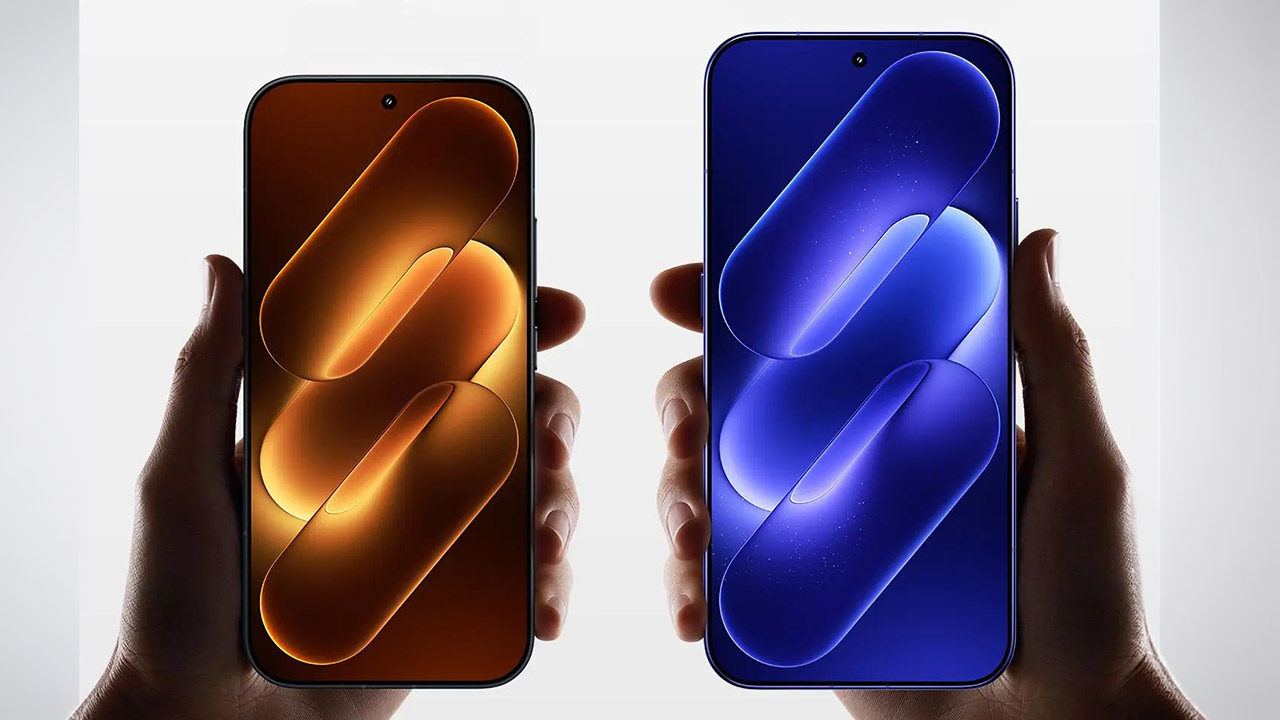
The front panels are flat LTPO AMOLED sheets with a 0.99mm bezel, which is almost invisible. They have the Super Pixel 2.0 RGB scheme, M11 emitter materials, a refresh rate of 1 to 120Hz, and 2,160Hz PWM dimming to keep things smooth. The Xiaomi 18 Pro boasts a 6.4-inch 2436×1120 display with BT.2020 color support, Dolby Vision, and 4,000-nit peak brightness. The Xiaomi 18 Pro Max features a 6.9-inch 2624×1208 display, which remains remarkable. Both of these panels are protected by extremely durable Dragon Crystal Glass 3.
Sale

Google Pixel 10a – 30+ Hours Battery, Camera Coach, Gemini – Obsidian 128GB
- Google Pixel 10a is a durable, everyday phone with more[1]; snap brilliant photography on a simple, powerful camera, get 30+ hours out of a full…
- Unlocked Android phone gives you the flexibility to change carriers and choose your own data plan; it works with Google Fi, Verizon, T-Mobile, AT&T…
- Pixel 10a is sleek and durable, with a super smooth finish, scratch-resistant Corning Gorilla Glass 7i display, and IP68 water and dust protection[4]
Hardware privacy mode on these phones prevents you from broadcasting your business to the world by restricting the viewing cone, so if someone looks over to see what you’re doing, they’ll see nothing. You can also set it to trigger when you are at work or in an elevator, as it is all up to you. The phone will also identify when someone is attempting to peek at your screen and recommend turning it on, which is a great touch. The programmable AI key on the left edge allows you to switch between modes with a single click.
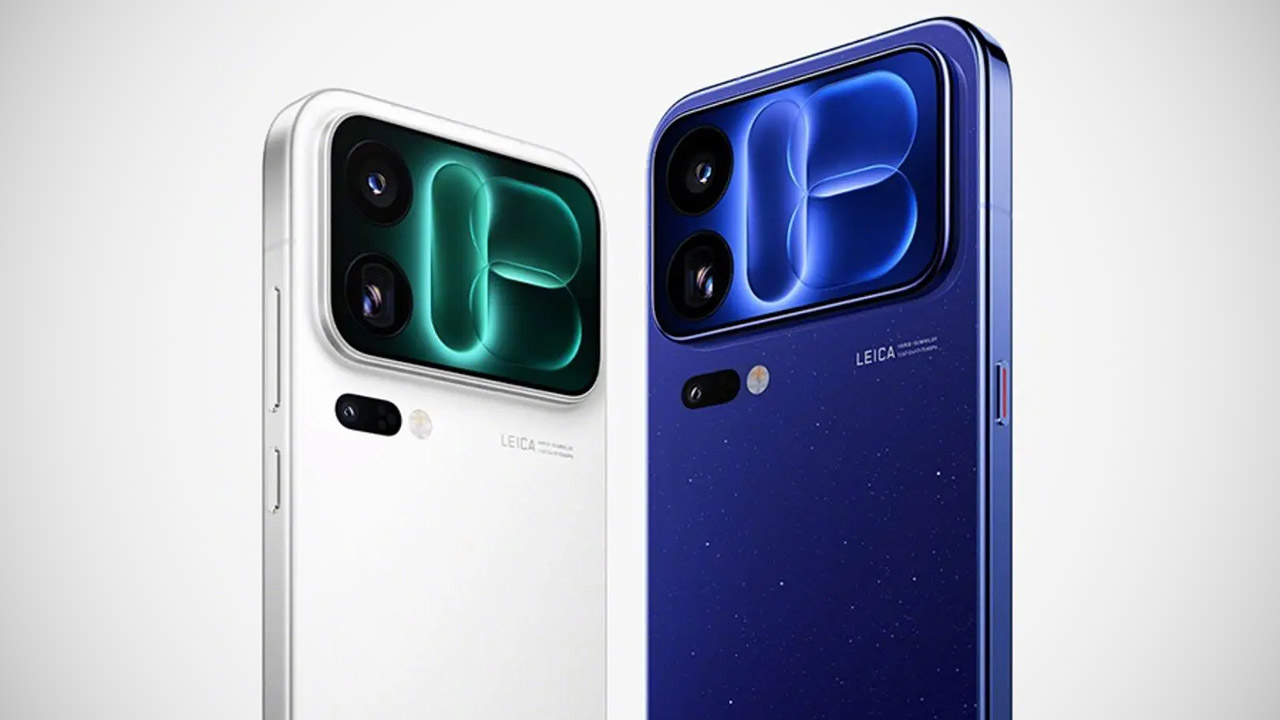
On the other hand, the back of the phone tells a completely different story. They’ve hidden a second 120Hz OLED panel beneath one piece of glass. The Xiaomi 18 Pro features a 2.7 inch 912×596 display, while the Xiaomi 18 Pro Max has a 2.9 inch 976×596 display. Both have 4,000-nit peak brightness. So, what is it used for? The cards you can put up there cover a wide range of things, from notifications and quick toggles to mini games and even basic functions like a timer. If you flip the phone and hold it up to your face, the rear panel transforms into a viewfinder for the main Leica sensors, allowing you to shoot those all-important selfies.
The Xiaomi 18 Pro runs the Snapdragon 8 Elite Gen 6, while the Pro Max uses the Supernova, a higher bin of the same 2nm Oryon architecture capable of reaching 5GHz. To put it into context, the Pro Max’s primary cores can reach an eye-watering 5.11GHz. To keep things operating smoothly, both phones are equipped with LPDDR5X RAM in 12GB or 16GB configurations, as well as 256GB, 512GB, or 1TB of UFS 4.1 storage. A circular cold-pump arrangement keeps the phone cool even when it gets hot. The smaller phone features a 4,355mm² cooler, while the larger phone has a 5,513mm² cooler. The software is the most recent Android 17 with HyperOS 4.
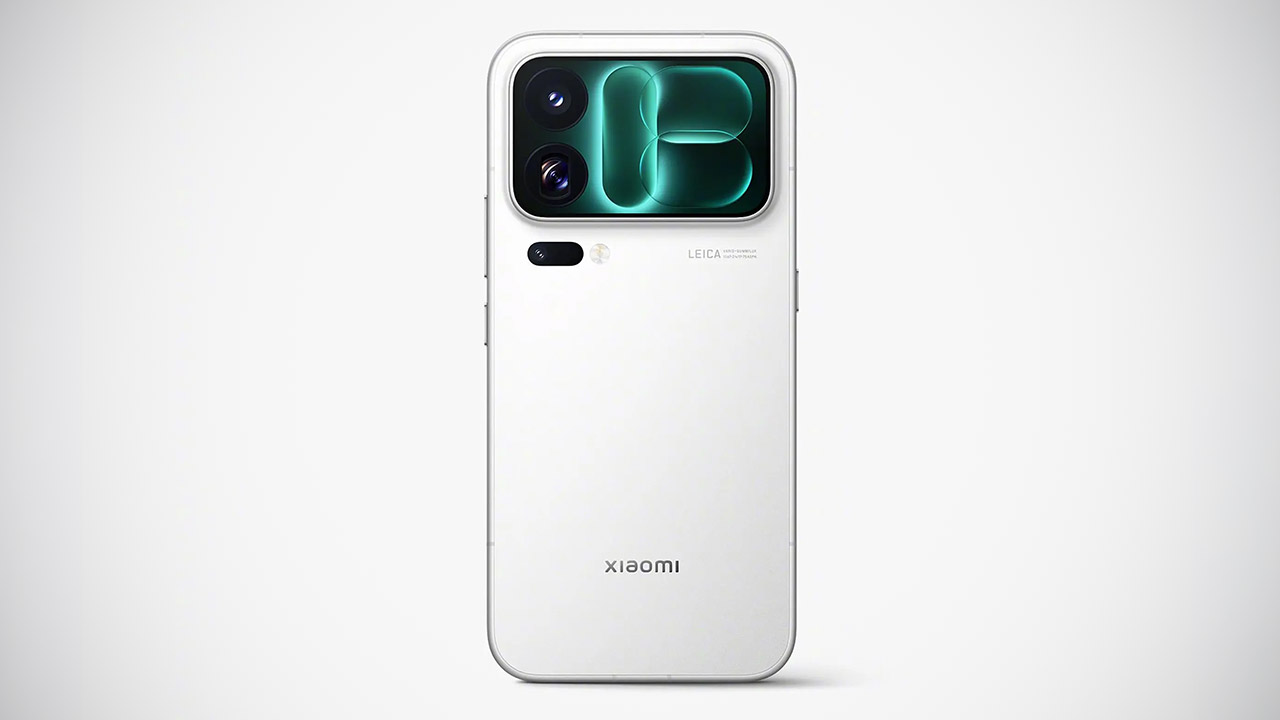
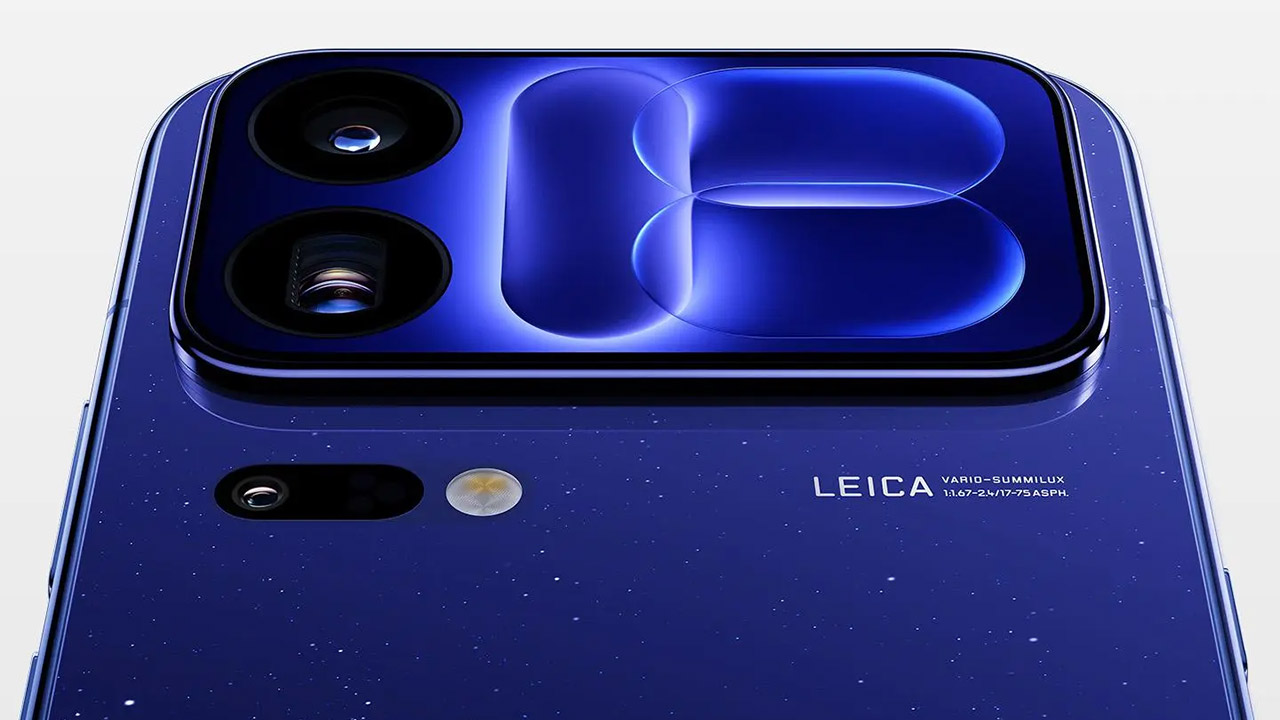
Leica has been hard at work with the triple camera on both phones, and the results are rather impressive. It features a 200MP main module with a 1/1.28-inch Light Hunter 960 sensor, f/1.67 aperture, and 23mm field of view, as well as OIS and LOFIC high-dynamic hardware. The periscope telephoto lens is also 200MP, with a 1/1.56-inch sensor, f/2.4, 75mm field, and 3.2x optical zoom; don’t get me started on the purported 12.8x lossless zoom. The front camera is 50MP, and video can be recorded in 8K at 30fps or 4K at 120fps, with Dolby Vision and LOG support. To keep things fresh, there is an on-device “Legendary Moment” imaging path that maintains raw sensor data on the phone and allows you to select between three classic looks without sending any of that data off the phone.
Silicon carbon cells (32 percent silicon) occupy the frames of these new models, with the 18 Pro carrying a 7000mAh battery and the 18 Pro Max boasting an 8500mAh battery. You can charge them with a cable at a whopping 100W or with a wireless charging dock that delivers 50W. If you need to exchange power, like topping up your smartwatch, reverse wireless charging provides 27W. According to Xiaomi, at least 80% of the battery will remain functional after 2,000 charge cycles. The frames themselves remain small, measuring between 8.4 and 8.5mm.
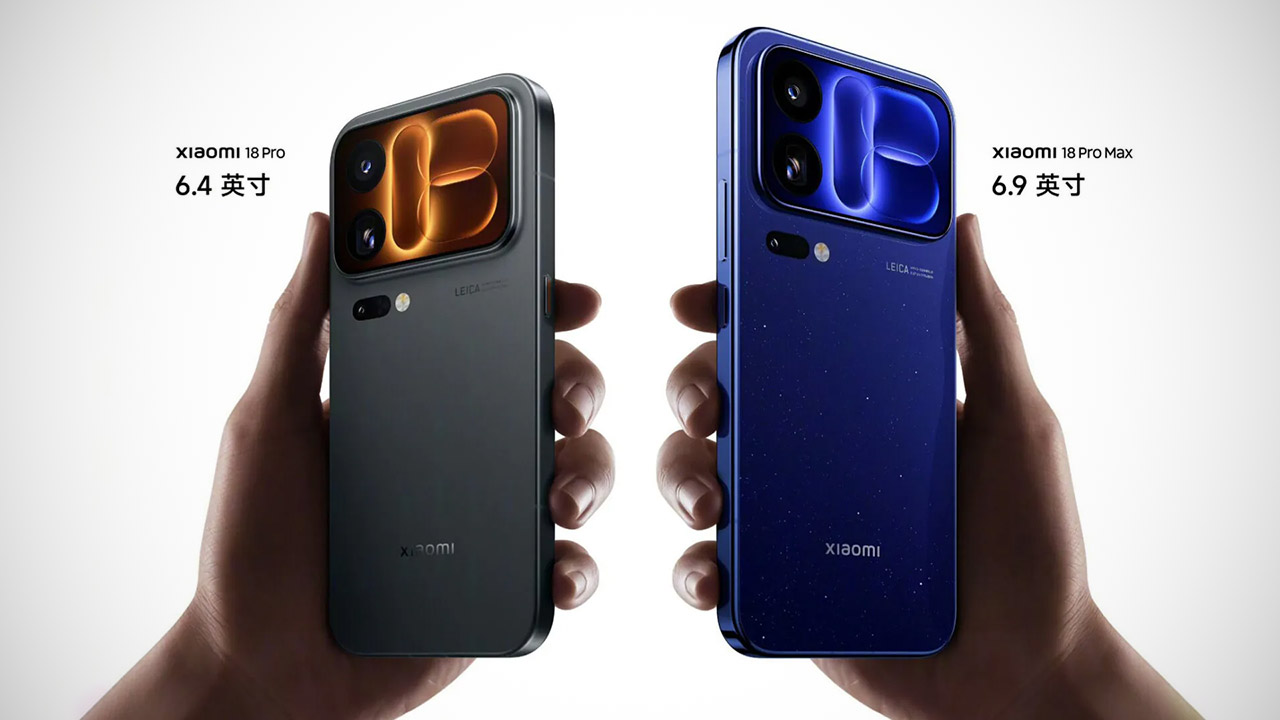
So, how much do you have to carry around? The Xiaomi 18 Pro weighs 203g or 208g and has dimensions of 151.8 x 72mm, which are not too large. In contrast, the Xiaomi 18 Pro Max weighs 235g or 240g and measures 163.4 x 77.6mm. Water and dust resistance classifications include IP66, IP68, and IP69 for severe dust accumulation. The 18 Pro has complete stereo Dolby Atmos speaker treatment, while the 18 Pro Max includes a third speaker. Both devices include UWB, an ultrasonic in-display fingerprint reader, an infrared blaster, USB-C 3.2 with DisplayPort, and one of those fancy new vibration motors. Available in black, white, Ice Peach Pink, and Galaxy Blue, with a special red translucent variant for those who want to stand out. So, when can you acquire one? Well, sales will be taking off in China first, however we still don’t have a timeline for worldwide price and availability.
Xiaomi 18 Pro and 18 Pro Max Land in China With Dual 200MP Leica Cameras, Rear Screens, and a Hardware Privacy Display
#Xiaomi #Pro #Pro #Max #Land #China #Dual #200MP #Leica #Cameras #Rear #Screens #Hardware #Privacy #Display