Hugging Face Releases a $2,500 Humanoid Robot That Anyone Can Print and Teach to Stand
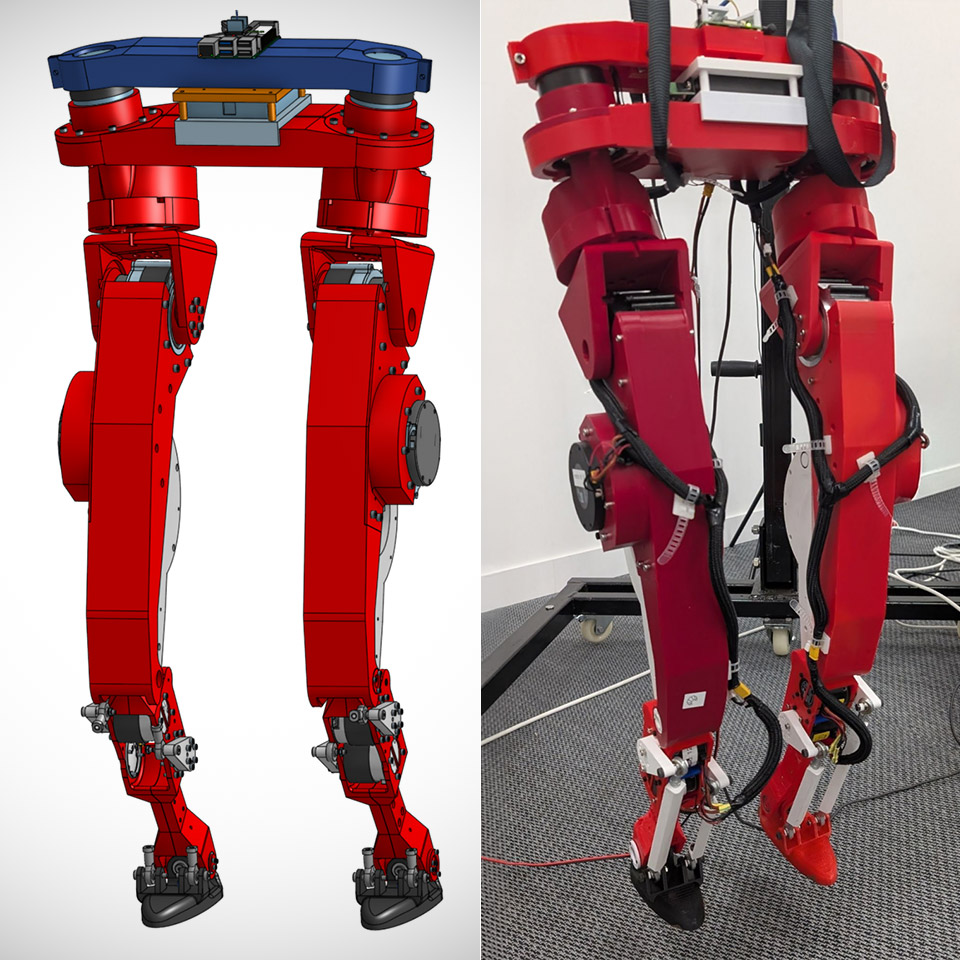
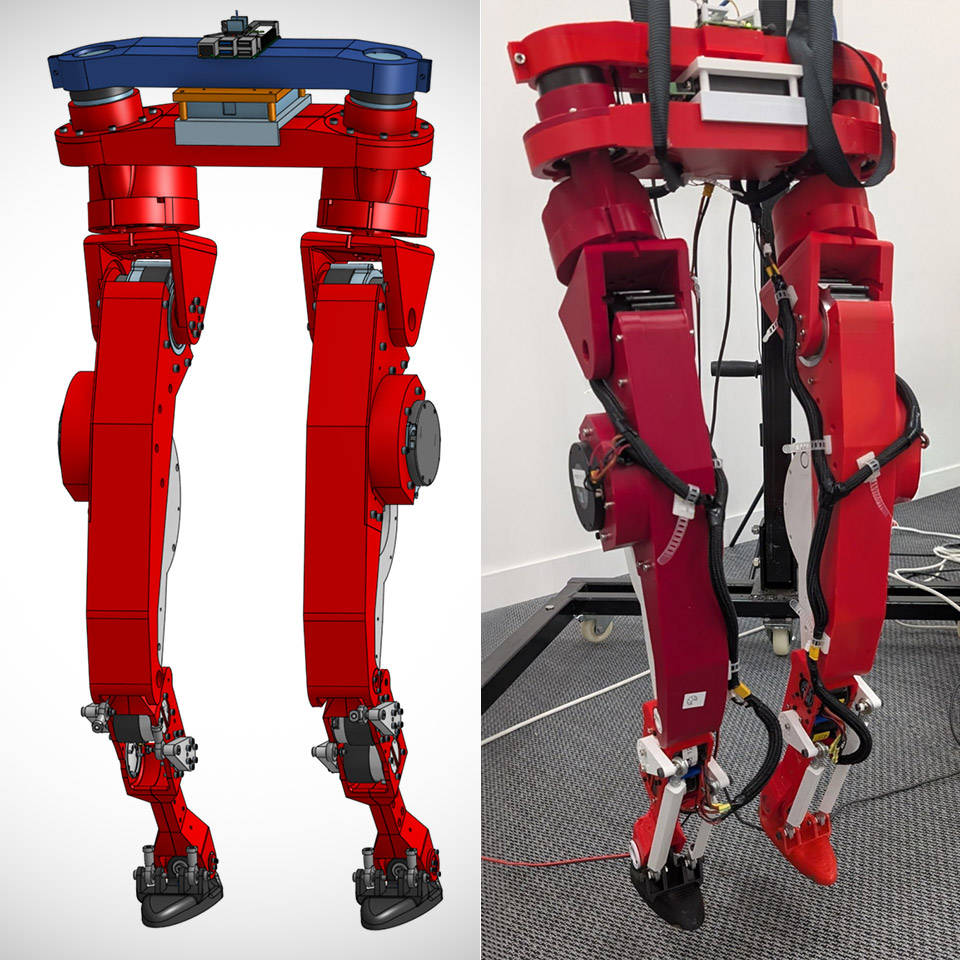
Hugging Face has shared complete plans for a bipedal robot platform that costs roughly $2,500 in parts and relies mostly on 3D-printed pieces plus common actuators and electronics. Builders start with 75 printable files that form the torso along with left and right legs. The design breaks into modular sections including hip mechanisms, thighs, knees, shins, ankles, and feet. A public Onshape CAD model lets anyone inspect or adapt the geometry before printing.
Twelve RobStride actuators control the robot’s movements: two O0 units near the torso, two O2 units for hip rotation, four O3 units for the thighs, and four O5 units for the shins. An IMU sensor monitors position, while a Raspberry Pi 5 serves as the main processing unit. A twin channel CAN FD adaptor facilitates communication between the computer and the motors.
Sale

Bambu Lab A1 mini 3D Printer + LED Lamp Kit, Set Up in 20 Mins, High Speed & Precision, Full-Auto…
- A1 mini + LED Lamp Kit for Creative Light Projects: Bring your ideas to life with the included LED Lamp Kit. Simply print compatible lamp models and…
- The Perfect 3D Printer for Beginners: A1 mini 3D Printer is designed to make 3D printing easy from day one with automatic calibration, simple setup…
- Experience the Bambu Lab Ecosystem: Access MakerWorld’s huge library of ready-to-print models, manage prints through the Bambu Handy app, and enjoy…
Building the thing is a rather simple process; initially, users must connect each motor to the main computer over the CAN bus using pre-written scripts. Only after that should they begin physically assembling and connecting items. The process includes tests to ensure that power is delivered to all components and that the robot does not abruptly lurch to life, which is critical if you want to avoid surprises. When it comes time to replace a part, a broken link or cover can be replicated in PLA+ filament, which is great news for anyone who enjoys tinkering and may need to make some adjustments. The project itself utilizes between 3.5 and 4 kg of filament in total, making it quite inexpensive to keep the robot operating even if parts wear out or you wish to experiment with new ideas.
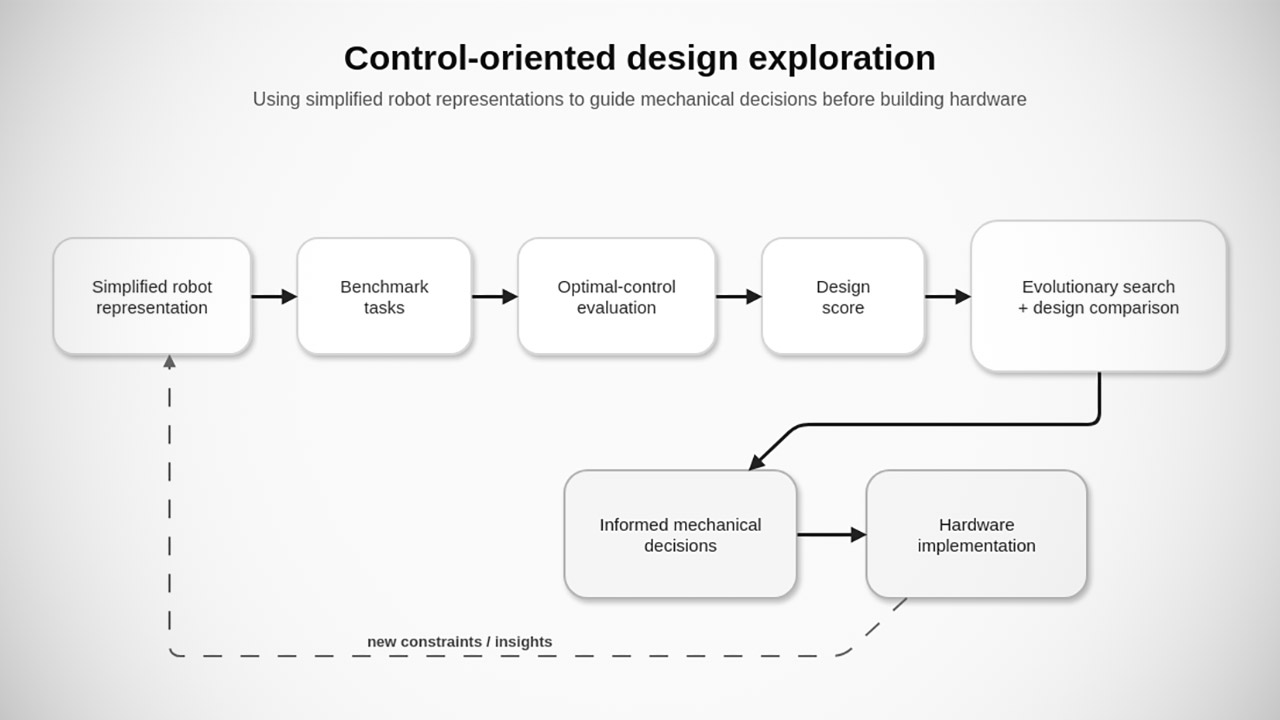
Hugging Face did not stop with merely releasing the hardware files. The full package also contains software that covers the entire robot learning process from beginning to end. The design tools allow users to test drive reduced versions of the robot against benchmark tasks and assess different control systems before proceeding with physical printing.
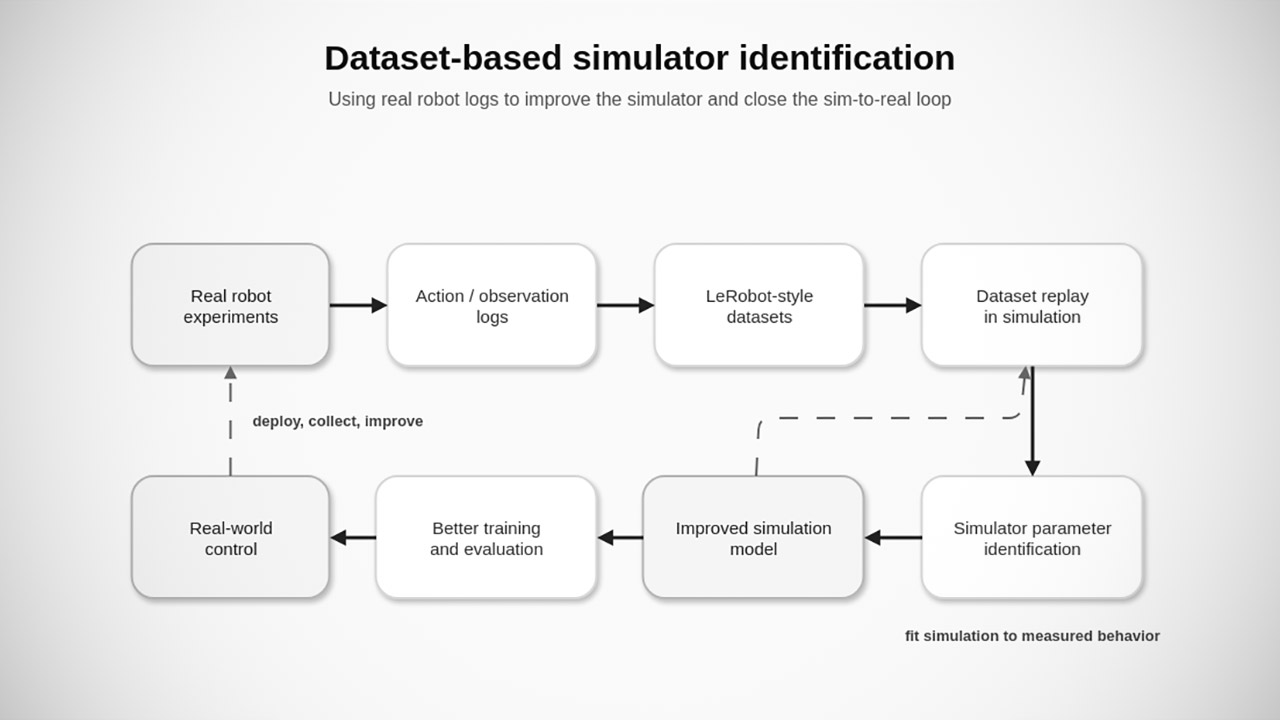
The runtime package contains some useful features such as calibration procedures, secure ways to submit commands, and a single interface that works the same whether you’re testing on a virtual system or the actual thing. Then there are the identification tools, which take the logs from all of the real-world testing and use them to fine-tune the simulator parameters so that the virtual tests match what happens on the real computer much better.
The legged zoo resource aids in practical training since it allows developers to test rules that determine how the robot moves around, and it includes all of the tools required to design locomotion policies. There are also some early examples of policies that have been trained in simulation and successfully applied to the real robot, and these rules appear to be capable of keeping the robot stable.
The entire system is also connected to the larger LeRobot library. This means that users who already use LeRobot for other robots can simply take the demo data they’ve collected, train some models, and deploy them using the same code they’ve been using all along, eliminating the need for a separate toolchain. It’s a great deal for researchers and students who would ordinarily have to spend a lot of money to get a robot like this up and running, which is probably why it’s still experimental and not a finished product. Users should be prepared to do some of the legwork themselves, such as setting up the motors, connecting the wiring, and generally ensuring that everything runs smoothly, but with the project still open to community contributions, it won’t be long before we see some serious upgrades, such as adding an upper body and expanding the range of behaviours the robot can perform.
[Source]
Hugging Face Releases a $2,500 Humanoid Robot That Anyone Can Print and Teach to Stand
#Hugging #Face #Releases #Humanoid #Robot #Print #Teach #Stand