Koala bear sperm and eggs being frozen before chlamydia wipes out horny species
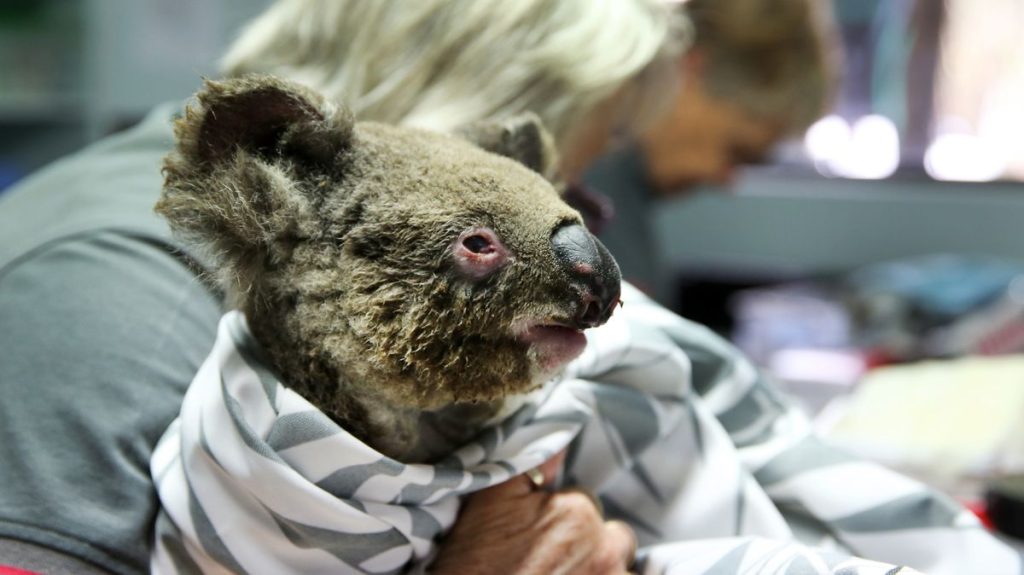
Australian scientists have started freezing koala sperm and eggs amid fears that chlamydia, habitat destruction and poaching could cause a population wipe out

Could these cute guys be at risk? (Image: Getty Images)
How do you like your Koala eggs in the morning? Well, if you’re an Australian biologist, the answer is frozen before being screened for a deadly chlamydia variant.
Aussie boffins are desperately freezing koala reproductive material, including eggs and sperm, as scientists fear population numbers falling could see a decrease the genetic diversity of the species and put them at increased risk of disease.
The frozen sperm and eggs can be used to produce healthy, genetically diverse koalas through artificial insemination, meaning that species can be born chlamydia free. On top of this, breeders can make sure that koala populations are not growing too genetically similar, something which can cause population collapse, as per a report published in Live Science.

Koala populations are at risk (Image: Getty Images/iStockphoto)
Andres Gambini, a reproductive biologist at the University of Queensland involved in the freezing says that the process could be fundamental to protecting the species for good, as koalas struggle to “adapt” to changes in their environment and the spread of deadly chlamydia viruses.
He said: “Losing genetic diversity can weaken future generations and decreases the ability of the species to adapt to challenges. This project will create a safe and systematic way to rescue and preserve koala spermatozoa and eggs to support future conservation programs.”

Koala eggs and sperm are being frozen in case of a disaster (Image: Getty Images/Westend61)
The preservation technology can also be used in the unfortunate circumstance of full or partial extinction, providing an emergency failsafe were the creature to become seriously threatened.
While koala numbers are on the up in certain areas, most populations have been hit by a dramatic decline, with factors including habitat loss, wildfires and poaching.
However, the most severe cause of population decrease is the rapid spread of chlamydia, which has infected over 90% of species in the country.

90% of koalas have chlamydia (Image: Getty Images)
While not necessarily fatal in of itself, chlamydia causes infertility, meaning animals are unable to reproduce. Furthermore, the STD massively weakens animals’ immune systems putting them at an increased risk of other more deadly diseases.
Thankfully, scientists have been working hard to produce a koala vaccine, with one such marsupial becoming the first animal to be successfully jabbed against chlamydia.
As well as being jabbed, Bamsa the koala was given a new biodegradable implant developed by researchers at Queensland University of Technology (QUT), meaning it does not need to be recaptured in order to keep up to date with his doses.

Boffins have been hard at work freezing eggs and sperm (Image: Getty Images/iStockphoto)
Dr Michael Pyne, a senior veterinarian who worked on the vaccine, called the creation of the new vaccine a “massive breakthrough” and “a truly remarkable moment”.
He said: “We’ve been working with vaccines against chlamydial disease in koalas for over five years now and this is a massive breakthrough where we are turning a two-injection vaccine into an injection and an implant that can be all applied in one examination.”
For the latest breaking news and stories from across the globe from the Daily Star, sign up for our newsletters.