Lunar Outpost LTV Prepares Astronauts for Steady Travel Across the Lunar South Pole
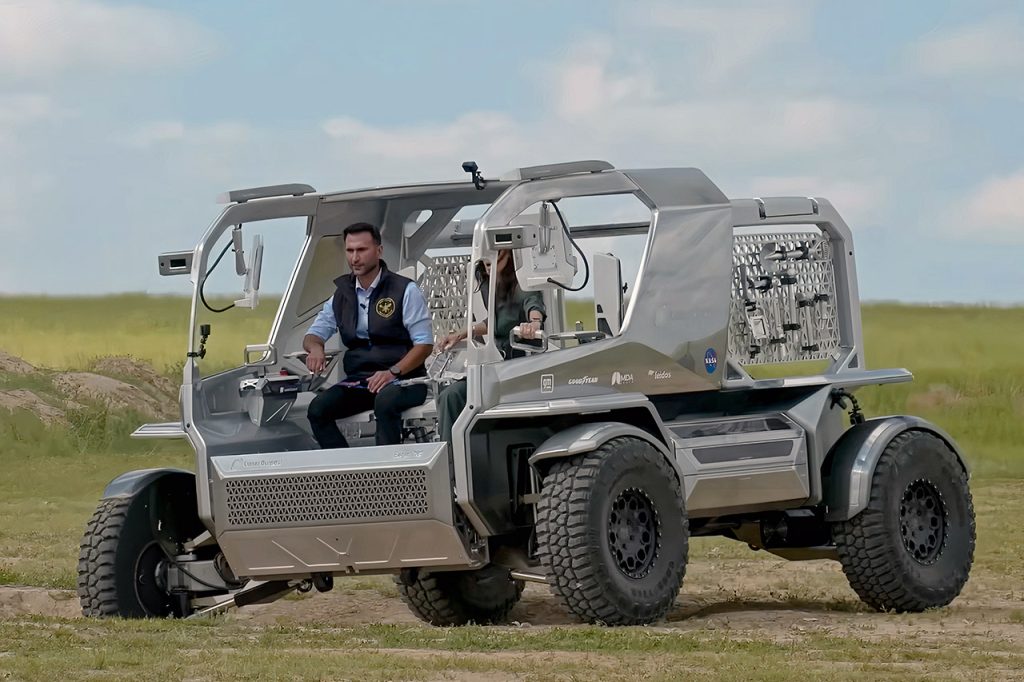
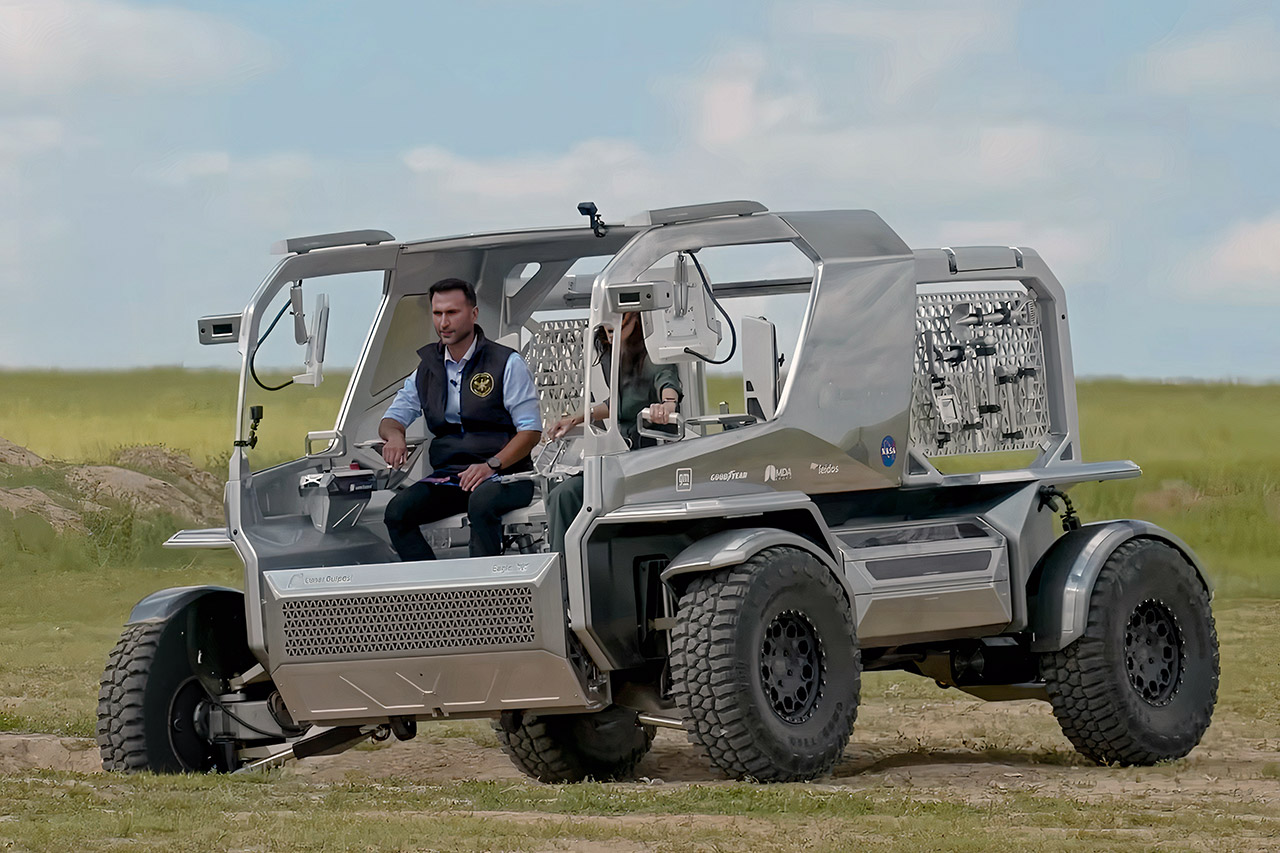
NASA selected Lunar Outpost for a roughly $220 million task order in May 2026 to build and deliver its Pegasus Lunar Terrain Vehicle by 2028, giving Artemis crews their first dedicated surface transport since the Apollo era. The Colorado company leads the effort with partners that include General Motors for the electric drivetrain and batteries, Goodyear for the wheels, and Leidos for systems work. An earlier, larger Eagle concept from the same team showed what a full-size lunar truck could do, but Pegasus trims the design so it fits tighter mass limits while still carrying two suited astronauts side by side.
A recent excursion to test the car put its speed to the test: approximately 11.6 miles per hour on the lunar surface, a far cry from the speeds seen on the roadway back home. That statistic puts the vehicle on level with, if not slightly ahead of, the Apollo Lunar Roving Vehicle, which could reach speeds of up to 11 mph. Engineers say that in an emergency, they can coax it up to 15 mph on flat ground. Under typical circumstances, they keep to slower speeds because loose regolith on the lunar surface can cause even a minor rock strike to send the vehicle bouncing around for an extended period of time, especially given the low gravity. The device has four electric motors, one for each wheel, that draw power from GM’s high-nickel lithium-ion packs, which are meant to remain fault-tolerant even if one or two individual cells fail. These batteries incorporate heating elements and insulation to allow them to operate during the lunar nite, even in permanently shaded craters suspected of containing water ice.
Sale

LEGO Technic NASA Apollo Lunar Roving Vehicle LRV Building Set – Craft Kits for Adults, Ages…
- Build a realistic LEGO Technic lunar rover model – This LRV building kit for adults is packed with authentic details including seats, steering…
- NASA model for adults – Enjoy a mindful project assembling all the details of the rover and equipment including the battery pack, heating and…
- A build for NASA fans – Remember the Apollo 17 mission with a display that features the lunar roving vehicle alongside 3 detailed equipment…
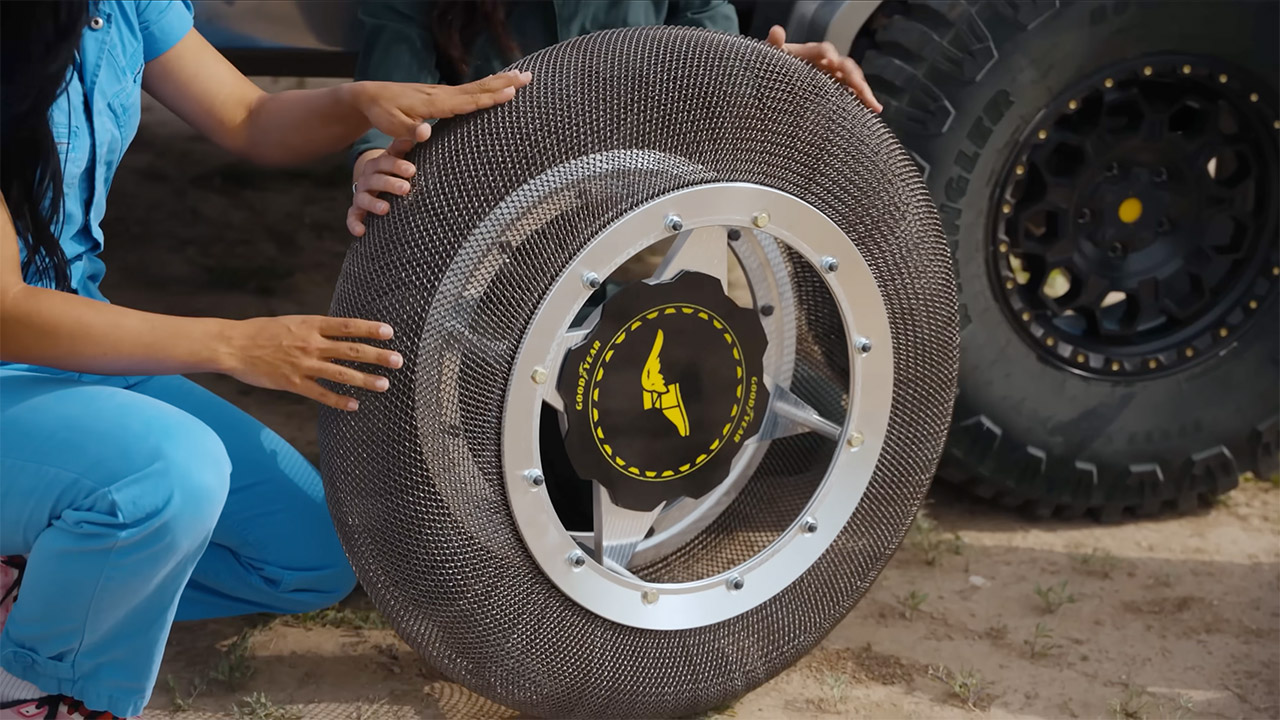
Goodyear’s metal-mesh tires, which replace the air-filled rubber ones, are a real innovation. These open mesh tires are designed to withstand the tremendous temperature variations that can occur on the lunar surface, ranging from -200 degrees Celsius to a scorching 200 degrees Celsius, and to continue rolling even after sustaining minor surface damage. Of course, there’s no need to worry about spares while you’re in a location without roadside assistance. There is also an onboard mechanism that generates an electric field to suck fine lunar dust into the vehicle’s underside, preventing it from entering the open cab, astronaut suits, or sensors. And don’t forget about the huge chairs, which are meant to raise to meet astronauts wearing cumbersome pressurized suits that limit how far they can bend or walk. A back robotic arm allows the crew to collect rock and regolith samples, clean the solar panels, and even provide tools to the astronauts when they are not on board.
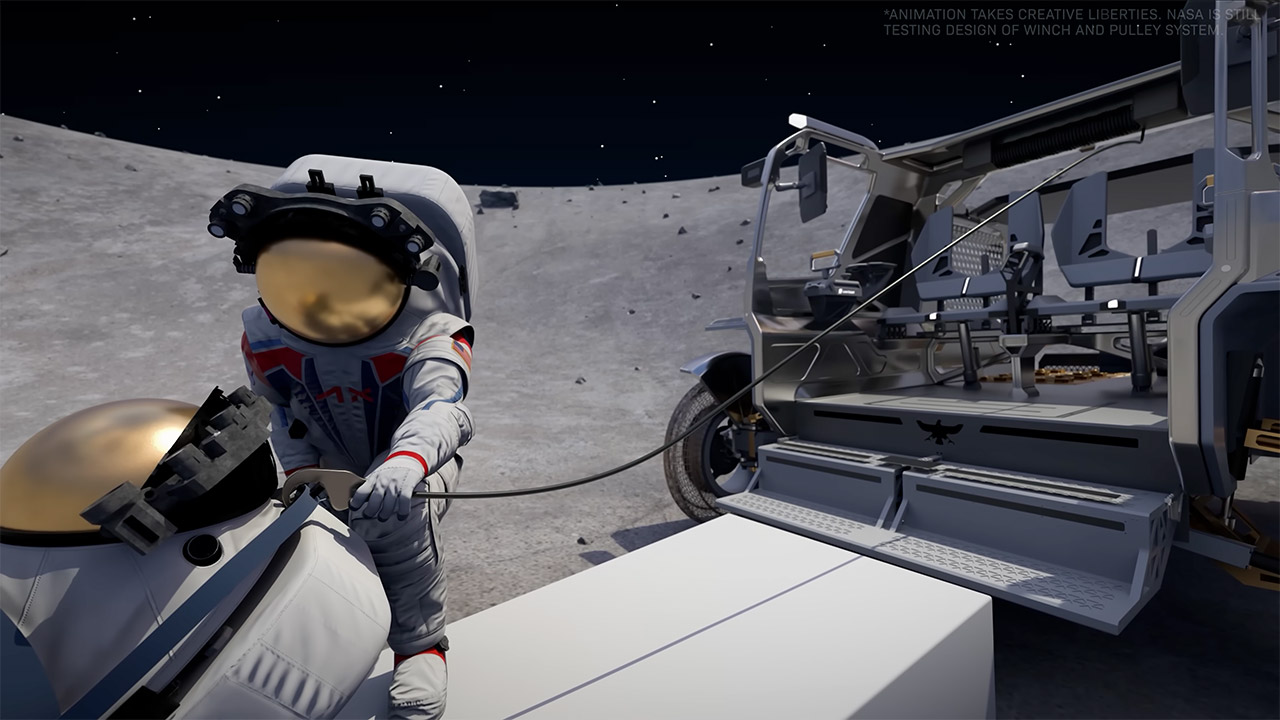
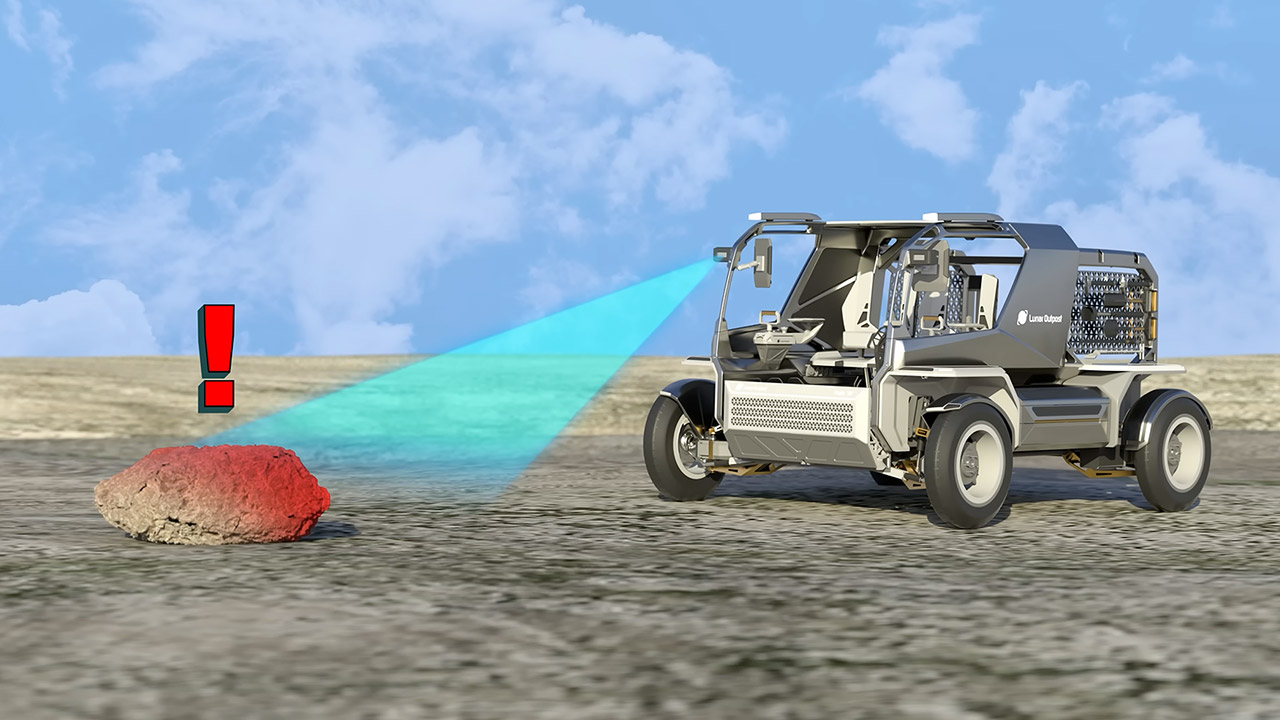
The vehicle can operate in three modes to complete the various jobs. It has manual operation for the astronauts, as well as the possibility of having controllers on Earth take control of the vehicle – of course, with the light-time delay. The third possibility is for it to follow pre-planned pathways on its own, utilizing a combination of LiDAR, stereo cameras, and sophisticated algorithms similar to that employed on Lunar Outpost’s smaller MAPP rover. According to reports, the Pegasus has a reported range of about 900 kilometers on a single energy load, enough to complete many traverses, whilst the more powerful Eagle ideas are supposed to survive for tens of thousands of kilometers over the duration of a single mission. Furthermore, it includes reconfigurable cargo space and a universal payload interface, allowing the same chassis to transport a wide range of items between crewed visits, including science instruments, building supplies, and commercial deliveries.
Lunar Outpost has already sent commercial hardware to the Moon with its MAPP rover, and they’ve been testing full-scale prototypes on Colorado terrain engineered to simulate slopes and obstacles. In fact, the same technology used in the LTV is currently being developed for vertical solar arrays and early lunar power distribution, indicating that mobility work is immediately feeding into long-term infrastructure. Plans call for a 2028 delivery via private lander, which should be a little before the first Artemis crews utilize the vehicle near the moon’s south pole. Once on the surface, the LTV will be able to increase the distance that astronauts can travel from their landing site, enable sample collection in shadowed areas, and continue working between human visits, allowing each following mission to begin with a better-mapped, partially prepared site.
[Source]
Lunar Outpost LTV Prepares Astronauts for Steady Travel Across the Lunar South Pole
#Lunar #Outpost #LTV #Prepares #Astronauts #Steady #Travel #Lunar #South #Pole