Tesla Brings a Practical Slice of Its Newest Self-Driving Software to Older Model 3 and Model Y Cars with FSD v14 Lite
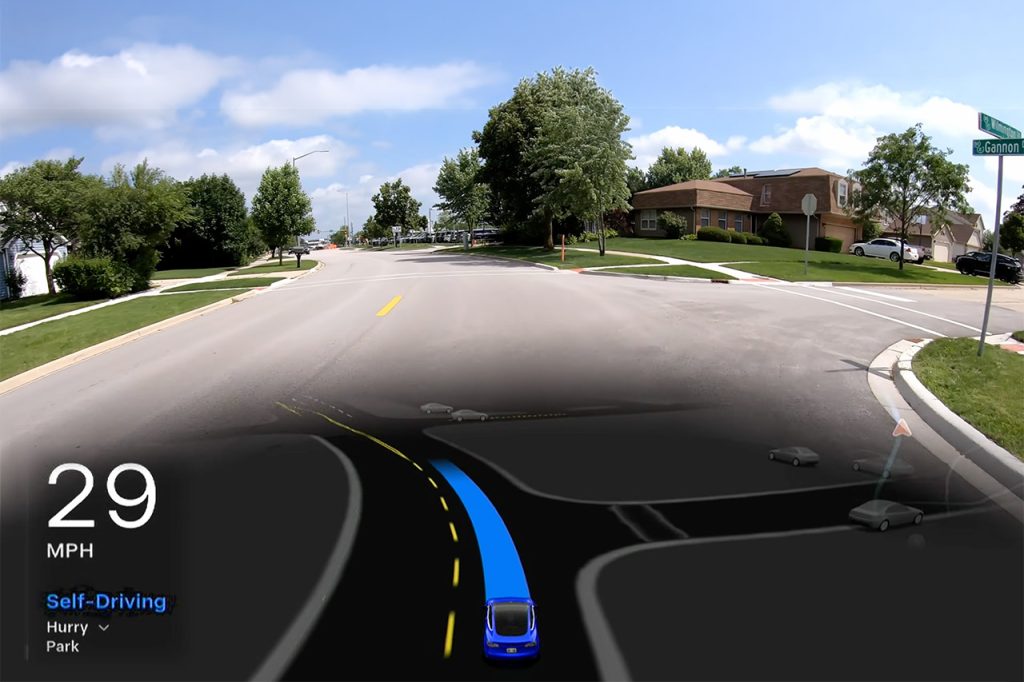
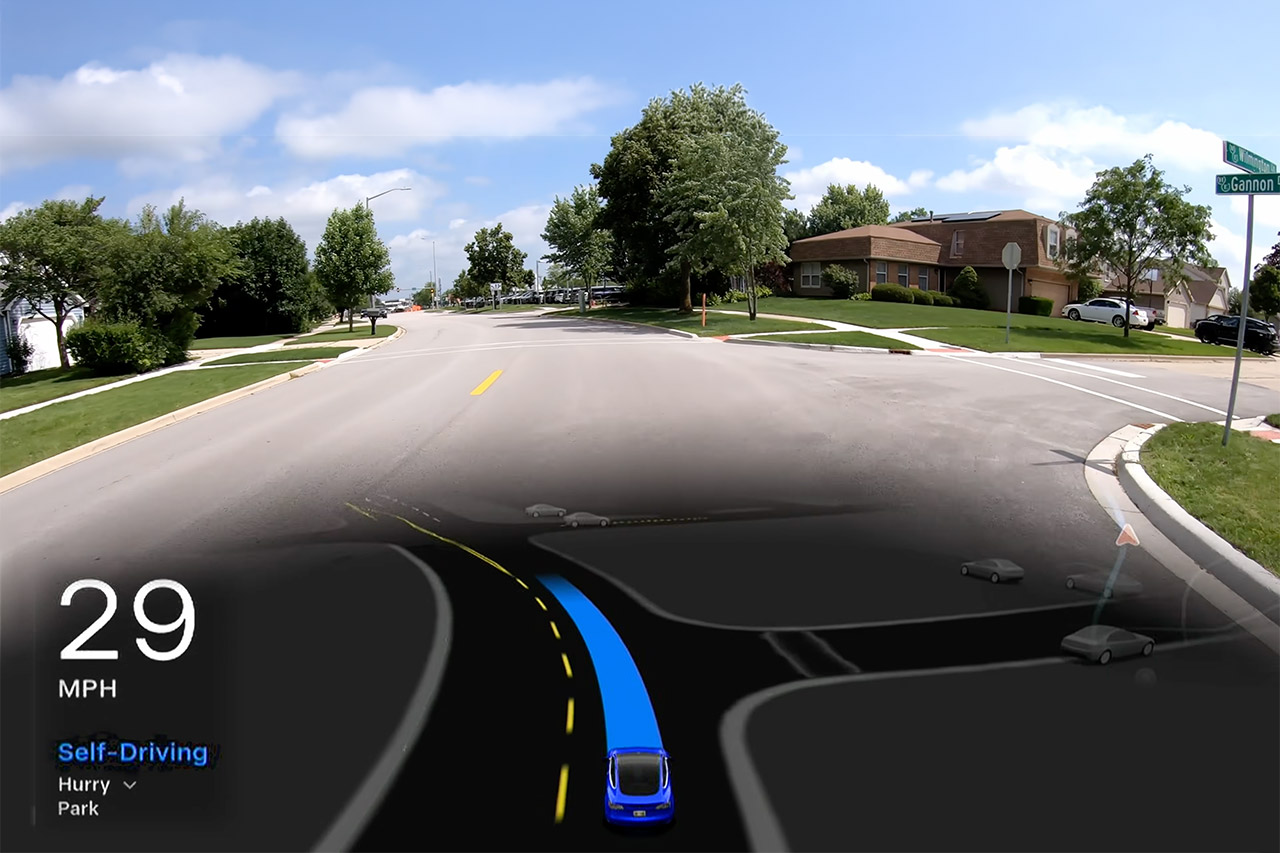
Tesla has started delivering a new version of its Full Self-Driving software to Model 3 and Model Y vehicles that use the original Hardware 3 (HW3) computers. Known as FSD v14 Lite, the update began reaching a small group of early-access drivers in recent days through software version 2026.20.5.1. It marks the first meaningful step forward for these cars in more than a year.
The software takes the key ideas from the most recent Hardware 4 (HW4) updates, which employ the entire v14 package, and applies them to older computers. Tesla sees this as condensing the smarts in a way that allows the car to learn to manage chaotic situations with a little help from a more powerful system. This allows us to apply reinforcement learning and offline models, which were previously impossible for Hardware 3 (HW3) cars.

Amphibious Remote Control Car, 1:18 Monster Truck Toys for Boys RC Cars, 2.4 GHz Waterproof RC Trucks…
- 2.4 GHz Remote Control Car – 1:18 scale cool design, waterproof RC truck toys made of premium material and sturdy, with LED lights, waterproof remote…
- High Quality & DIY Removable Toys RC Cars – This remote control monster truck structure design quality, flexibility and strength in one. The rc truck…
- All Terrain Amphibious Monster Truck – 4-wheel drive off-road design rc trucks for kids, with high-quality tires (shock absorption, strong grip…
People will begin to notice a significant change in how the car handles ordinary real-world scenarios. Navigating those tight merge or fork scenarios gives you a much more confident feeling. The system is far better at timing its reactions to pedestrians, traffic signals, and other motorists who decide to cut in at the last minute. This is all being driven by the same behavioral innovations that they made for newer technology, just run on an older camera and computing setup.
Plus, the overall comfort of the ride improves greatly. False slowdowns are far less common in typical driving, and steering feels much smoother in relatively straightforward conditions. Lane centering is much more consistent without the need for continual tiny corrections, so if you’re driving around town or on the highway, you’ll probably feel like you’re receiving a smoother ride overall. Especially useful is that the system can now start a self-driving session from a parked position, since it will even shift into reverse and back out of a park before returning to drive. These types of moves are smoothly interwoven into the supervisory experience, avoiding the need to manually switch modes.
When arriving at a destination, users have more control over how the vehicle completes the last steps. You can now plan ahead of time what you want to do, such as look for a parking spot, pull over on the street, or anything. If you don’t specify a preference, it defaults to where you are, and speed profiles are still accessible, allowing you to set a desired speed for city driving without having to actively switch modes.
It is worth noting that the release is currently limited to early access owners with a high safety score and a few handpicked influencers. Elon will make it available to a larger US audience once testing has shown that it is as stable as the FSD team requires. Similar updates will follow shortly in areas like Europe and Australia, where the complete v14 software is already in use on newer vehicles.
[Source]
Tesla Brings a Practical Slice of Its Newest Self-Driving Software to Older Model 3 and Model Y Cars with FSD v14 Lite
#Tesla #Brings #Practical #Slice #Newest #SelfDriving #Software #Older #Model #Model #Cars #FSD #v14 #Lite