The lasting legacy Didier Deschamps and France could leave with another World Cup crown
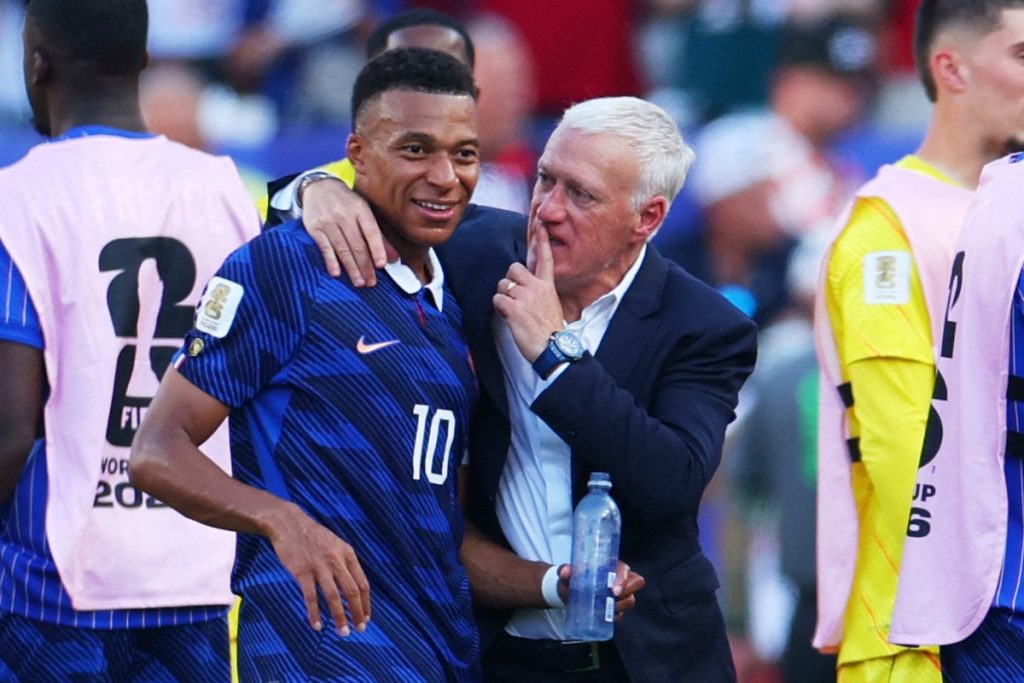
When England completed their extraordinary victory in Mexico City, they reached double figures. It was their 10th win in World Cup knockout games since the 1966 final. A day earlier, a manager reached double figures. France have 10 under Didier Deschamps alone.
There is a case for putting his personal tally at either 13 or 14 – depending on which category games decided on penalty shootouts belong in – when his role as the captain of the 1998 Les Bleus teams is included. France have played in four World Cup finals: two under Deschamps, one skippered by him, one with the remnants of a team he had led from the midfield. He is now a game from the exit or three from the status of the greatest World Cup manager of all.
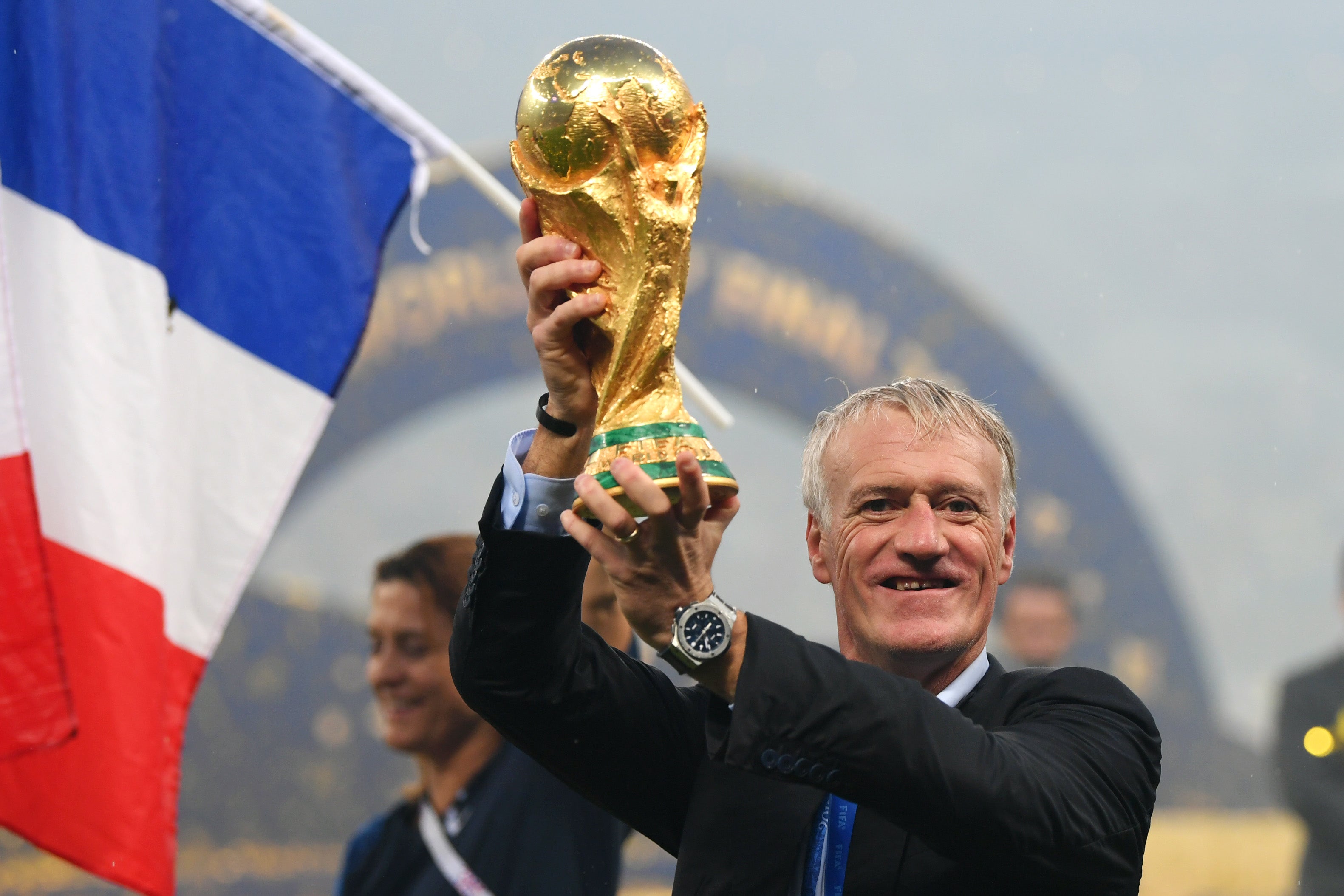
Maybe Deschamps’ reign has been so successful that the same rivals come around again. Thursday’s quarter-final in Boston pits France against the side they beat in the last four in 2022, in Morocco. There is the possibility of a second successive final against Argentina, to follow their epic tie in the last 16 in Russia. Or, indeed, England again, the side Deschamps’ France beat at this stage four years ago.
There are indications of the transformation a departing manager has brought: not merely to France, but in the overall standings. When he took charge, 14 years ago, Italy had won 44 World Cup matches and France 25. If Les Bleus overcome Morocco, the Azzurri will have company on 45. Deschamps’ overall record – 19 victories in 24, with three draws and two defeats, or two and three if the 2022 final reverse on spot kicks goes down as a loss – is extraordinary. He has nevertheless managed to make it appear normal.
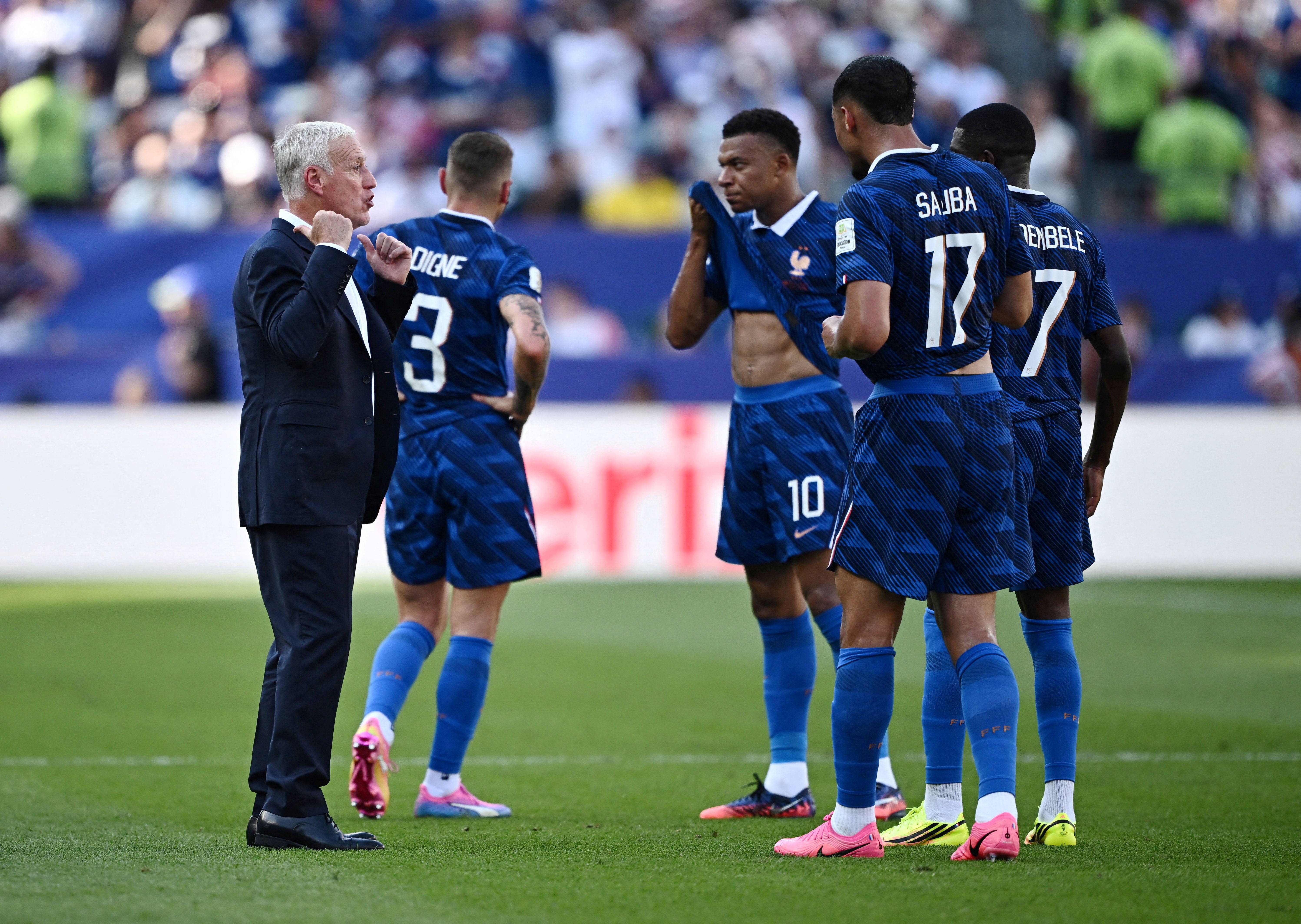
Yet before he assumed the reins, France were trapped in a pattern of boom and bust: winners in 1998, going out at the group stage in 2002; finalists in 2006, winless and fractious in 2010. The Deschamps dynasty is notable for the continuity of results: only France have reached the quarter-finals in each tournament since 2014. The side has undergone a French evolution, aided by the depths of talent that have enabled him to bring in more players. If anything, Deschamps has not had one team as much as two. There was a side more for the 2010s, another more for the 2020s.
There have been cornerstones and constants, for as long as their international careers lasted, in players such as Hugo Lloris, Antoine Griezmann, Olivier Giroud and now Kylian Mbappe, the fourth footballer to play for Deschamps’ France 100 times. Indeed, it is remarkable that Griezmann won 137 caps while only playing international football for one manager.
And yet, with each four-year cycle, there is change. Deschamps’ first side, the 2014 quarter-finalists who were beaten by the eventual winners Germany, contained five who started the 2018 final: Lloris, Raphael Varane, Blaise Matuidi, Paul Pogba and Griezmann. A sixth, Giroud, came off the bench in 2014.
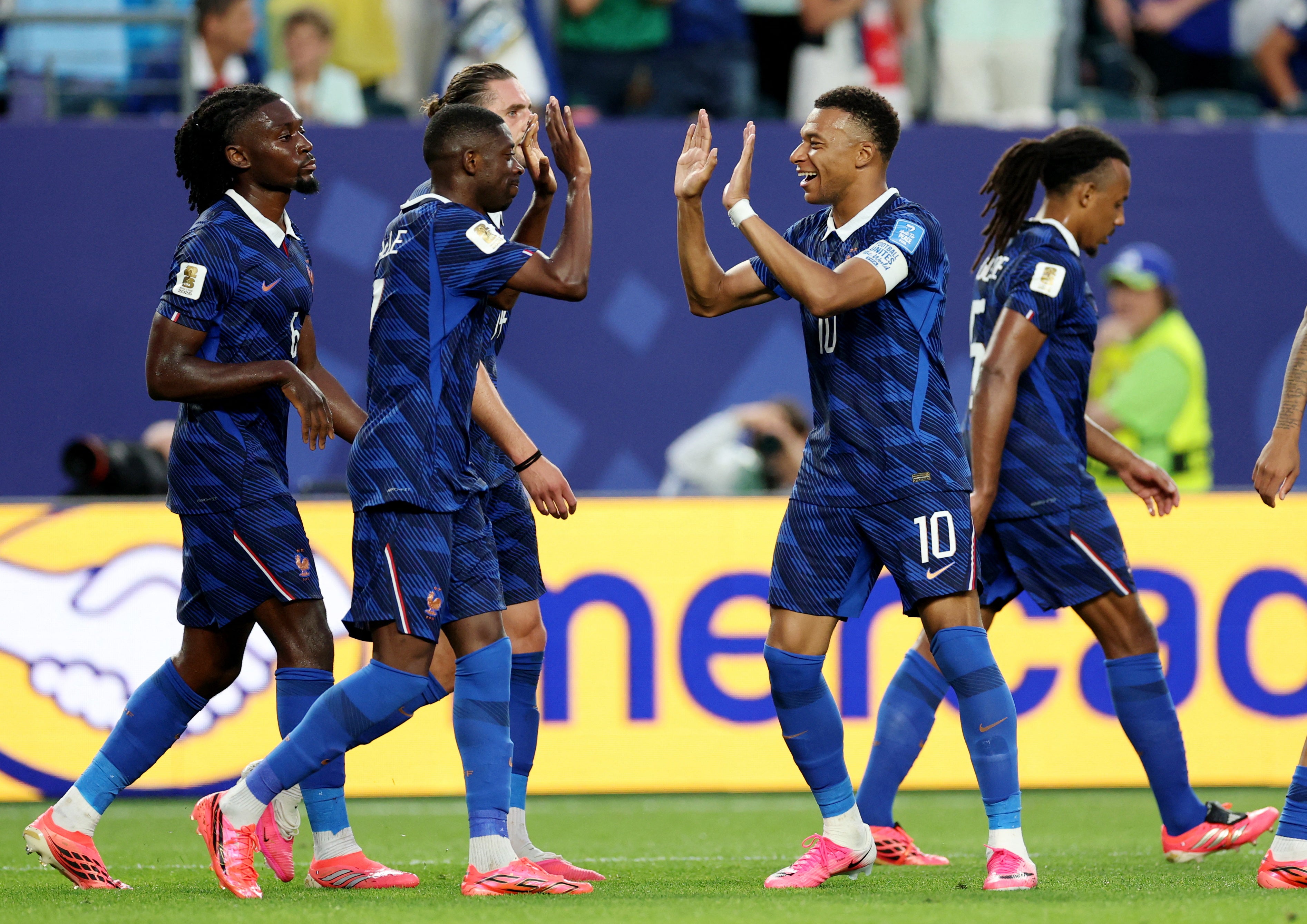
The 2022 side lost Pogba and N’Golo Kante to injury. Five men began back-to-back finals: Lloris, Varane, Griezmann, Mbappe and Giroud. Of the other six starters in Lusail, however, only Ousmane Dembele was even in the 2018 squad.
If France make the 2026 final, the chances are that there will only be one survivor from its 2018 counterpart, in Mbappe. Kante and Lucas Hernandez are likelier to be on the bench. Dembele is the only other man in both squads.
There would be a half-dozen from 2022 who should start against Morocco and, fitness permitting, in New York on 19 July: Jules Kounde, Dayot Upamecano, Aurelien Tchouameni, Adrien Rabiot, Dembele and Mbappe.
Hindsight lends still more wisdom to Deschamps’ decision to bypass Griezmann, until then arguably the greatest player of his reign, for the captaincy when Lloris retired and to move to the next generation, with Mbappe. France’s record goalscorer has relished the responsibility, and carried on scoring at extraordinary rates in World Cups.
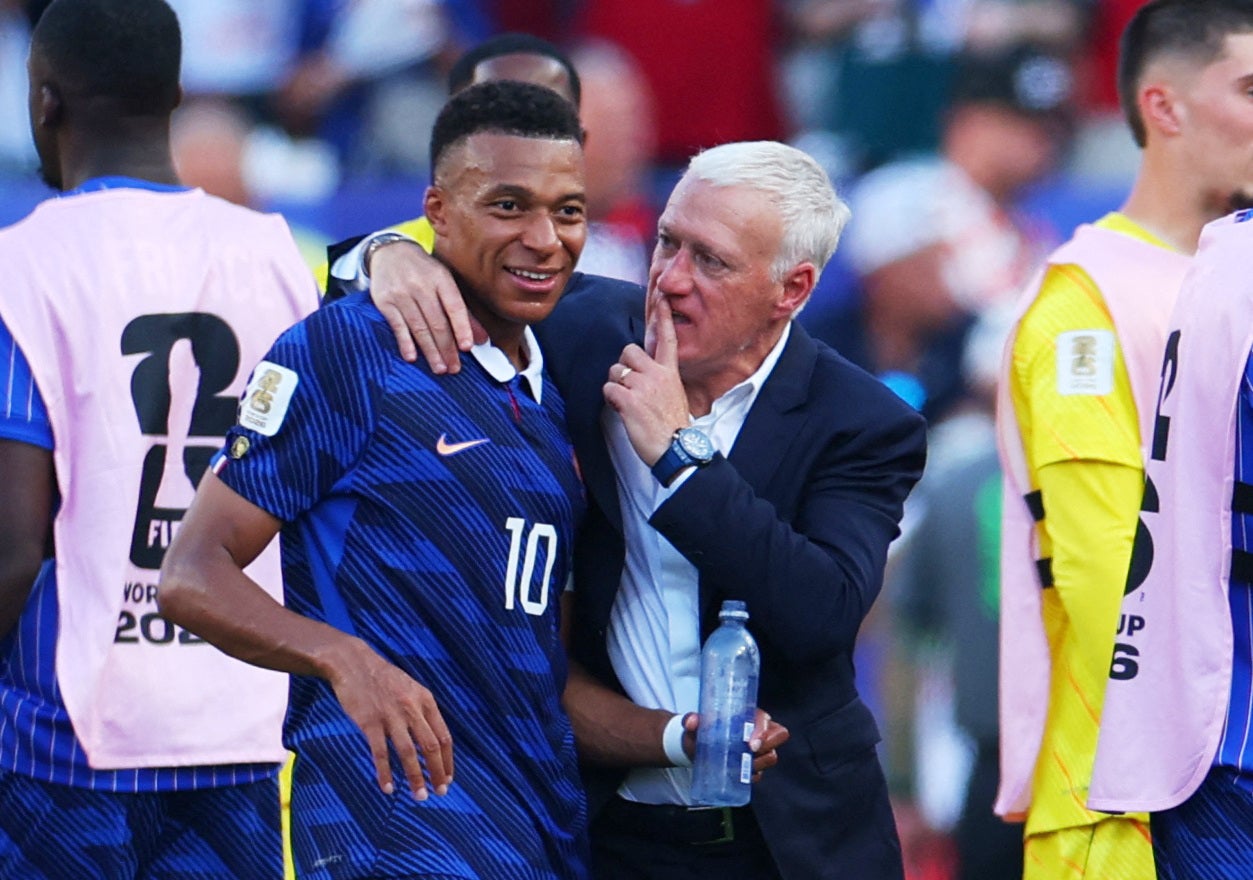
It is now clear that, aided by the conveyor belt of French talent, Deschamps will leave quite a legacy for his successor, almost certainly Zinedine Zidane. After France ignored Paraguay’s provocation in Philadelphia, Deschamps spoke about how this is a first World Cup for some of his players.
Michael Olise, Bradley Barcola and Desire Doue are cases in point. Warren Zaire-Emery, though he has figured little, may be gaining experience that will serve France well in the future. Deschamps will go but, while their response after his mother’s death showed their affection for him, few of his charges are likely to follow in the short term. Kante is the only player in this squad over 32.
Deschamps is sometimes damned as one of football’s pragmatists – yet his French sides have often claimed victory in style. They have scored 54 goals in World Cups under him. A few more and Deschamps may have the perfect au revoir.